


More news on this day
Dense early-morning fog around Auckland Airport disrupted parts of the domestic network today, with multiple regional flights delayed or cancelled while most mainline and international services continued with adjusted schedules.
Get the latest news straight to your inbox!
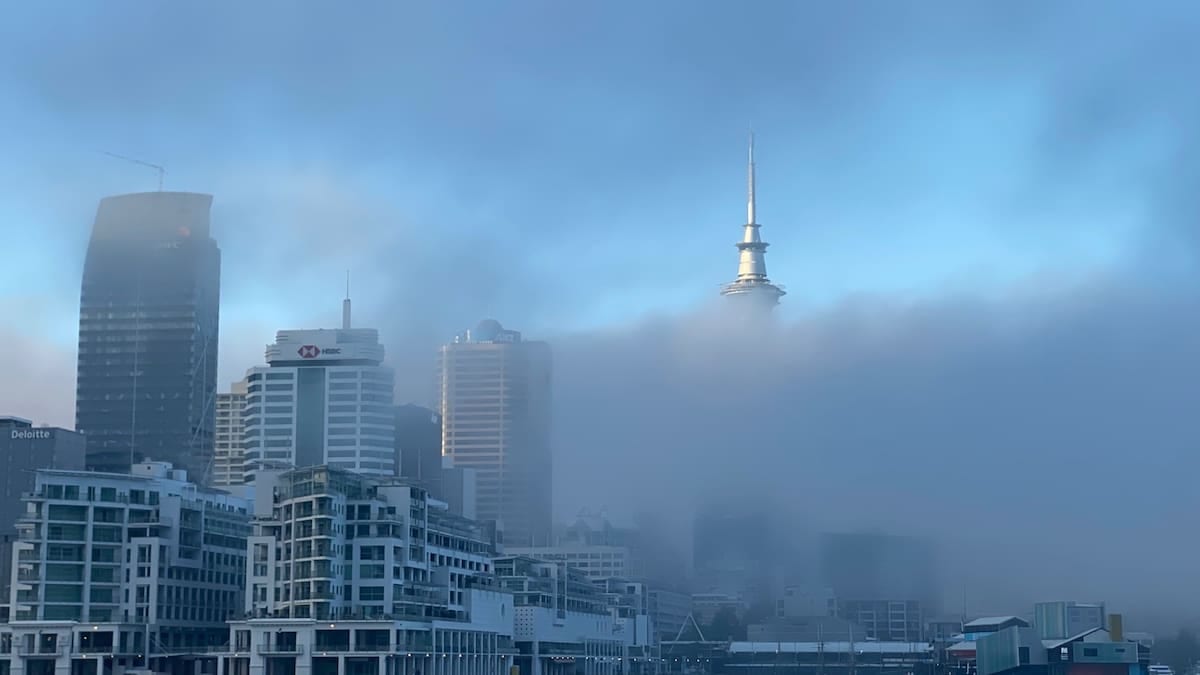
Low Visibility Hits Early Domestic Schedule
Reports from New Zealand travel and aviation outlets indicate that thick fog settled over Auckland Airport during the early morning peak, sharply reducing visibility on key approach and departure paths. As the fog intensified, regional services using smaller turboprop aircraft were the first to be affected, with several departures held at gates and inbound flights placed in holding patterns or diverted to alternative airports.
Published coverage summarising airline and airport information points to around a dozen early domestic services experiencing significant delays, particularly on short hops linking Auckland with centres such as Palmerston North, Rotorua and other regional destinations. At least one Palmerston North to Auckland service, flight NZ5966, was listed as cancelled on Wednesday morning, illustrating how low cloud and fog can quickly unravel tightly timed regional schedules.
Larger jets operating main trunk routes between Auckland and Wellington or Christchurch were generally able to continue operating under low visibility procedures, though some flights departed later than timetable. International services from the main terminal were less affected, with schedules adjusted rather than widely cancelled as conditions fluctuated through the morning.
Passengers Face Knock-on Delays and Rebookings
The patchy nature of the disruption created a mix of experiences for passengers. Travellers booked on early regional flights were the most likely to encounter cancellations or lengthy waits, as operators weighed the safety and practicality of flying smaller aircraft into fog-prone conditions. Information from live flight-tracking services showed some routes recording cancellations or long gaps between standard morning departures.
Those connecting through Auckland from regional centres onto long haul or Pacific services faced additional uncertainty. Delays to inbound domestic flights increased the risk of missed connections, requiring same-day rebooking or overnight stays for a portion of affected passengers. Travel advisories from airlines and news reports urged customers to check real time flight information before heading to the airport and to allow extra time where possible.
Within New Zealand, flow-on effects were also felt at smaller airports that rely on Auckland as a hub. Schedules from regional airports such as Tauranga and Rotorua showed adjusted timings during the day as operators worked to reposition aircraft and crews after the initial morning disruption.
Fog a Recurring Seasonal Challenge for Auckland
Climatological studies of New Zealand aviation weather highlight that fog is a recurring challenge for Auckland, particularly between late autumn and the end of winter. Analysis published by the national climate agency notes that radiation fog around the airport typically forms in the early morning hours under clear skies and light winds, and can linger through much of the morning when coverage is extensive.
Historical summaries show that similar low visibility events have disrupted Auckland operations on multiple occasions. A national climate report from late 2025 recorded a morning where fog at Auckland Airport led to 25 domestic flight cancellations and a further nine delays, underlining how quickly a single weather pattern can affect a large number of services on the country’s busiest air corridor.
Earlier climate bulletins have described comparable events where fog at Auckland and Wellington combined to cancel or delay several dozen flights in a single day. The pattern underscores that while heavy fog episodes are intermittent, they can be severe enough to significantly test airline and airport contingency planning when they coincide with peak travel periods.
Why Fog Grounds Some Aircraft but Not Others
Publicly available aviation guidance explains that modern jet aircraft and large airports can operate in very low visibility, provided specific runway lighting, instrument landing systems and crew procedures are in place. These systems allow larger jets to continue arriving and departing within regulated safety margins even when cloud and fog lower the visual range around the runway.
However, not all runways and aircraft are equipped for the most advanced low visibility operations. Smaller regional aircraft, and some secondary approach paths, rely more heavily on visual cues or less sophisticated instrument procedures. When fog drops visibility below required thresholds, operators suspend those flights until conditions improve, even if services on better equipped routes can continue.
Industry documents from major New Zealand airlines also classify fog as an acute weather risk that can cause operational disruption, including delays, diversions and cancellations. These materials emphasise that protecting passenger and crew safety remains the primary consideration, which means schedules are adjusted conservatively when visibility deteriorates.
Airlines and Airport Focus on Recovery Through the Day
Once skies began to clear late in the morning, domestic and international operations at Auckland moved into recovery mode. Updated flight boards showed a gradual return to more regular timings as visibility improved and aircraft were able to resume standard arrival and departure patterns.
Travel industry reporting indicates that airlines prioritised restoring trunk routes and key regional connections, in some cases consolidating lightly booked services or upgauging aircraft to move backlogged passengers. Where cancellations occurred, customers were offered alternative same day flights where seats were available or shifted to later dates.
Recent corporate communications from Auckland Airport have highlighted ongoing investment in airfield and terminal upgrades designed to improve resilience during disruption, including operational planning for acute weather events such as fog, high winds and heavy rain. While infrastructure investment and planning can reduce the duration and scale of delays, transport experts note that short, sharp episodes of dense fog around Auckland are likely to remain an occasional feature of winter and early spring travel.
SunLive coverage of dense fog disruptions at Auckland Airport
NIWA climate summary noting November 2025 Auckland fog impacts
Historical NIWA report on August fog affecting Auckland and Wellington airports
Auckland Airport 2026 media and earnings release on operational resilience