


More news on this day
Dense fog settled over Auckland on Wednesday morning, causing another round of flight cancellations and delays at the country’s busiest airport and prompting renewed warnings for travelers to build extra time and flexibility into their plans.
Get the latest news straight to your inbox!
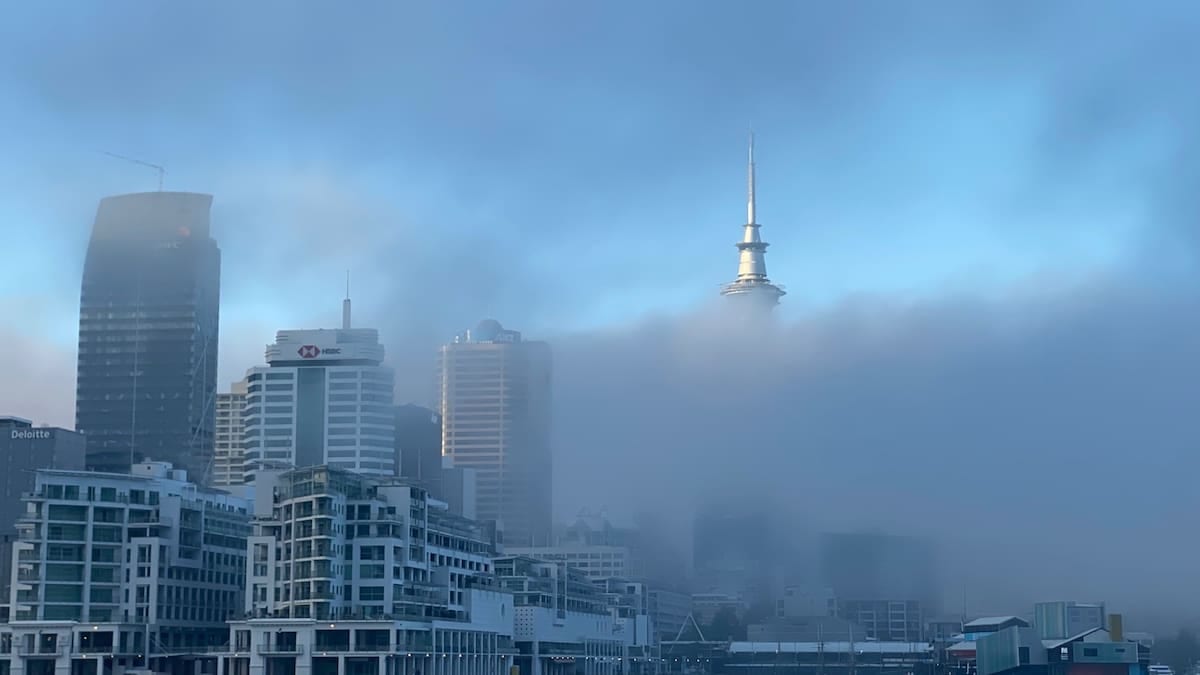
Dozens of Flights Affected as Visibility Drops
Reports from Auckland Airport’s live departure and arrival boards on Wednesday indicate a fresh wave of disruption across early morning services, with a cluster of domestic regional flights delayed or cancelled as low cloud and fog reduced visibility on the airfield. Local media coverage cited around a dozen regional services delayed and at least seven cancelled during the morning peak, with further knock-on delays building through mid-morning as aircraft and crews fell out of position.
The disruption is concentrated on domestic routes that rely on tight turnarounds, particularly services linking Auckland with regional centers such as Tauranga, Napier and Hamilton. Larger jets on the main trunk routes between Auckland, Wellington and Christchurch have generally been able to operate once conditions ease, but many passengers have still faced longer waits at departure gates and on the tarmac.
Publicly available information from the airport’s online flight tracker shows a pattern familiar to regular travelers in New Zealand’s largest city, with flights initially posted as delayed before, in some cases, being cancelled outright when visibility failed to improve quickly enough for safe operations.
While international long-haul services tend to have wider operating windows and have mostly departed on revised schedules, the early morning fog has again highlighted how sensitive the domestic network is to weather across the Hauraki Gulf and upper North Island.
Foggy Mornings Becoming a Recurring Theme
The latest episode follows several recent fog events that have disrupted aviation and ferry travel around Auckland in late autumn and early winter. In mid-June, dense fog blanketed the city and surrounding harbours, leading to dozens of cancellations and delays at Auckland Airport before conditions improved and restrictions were lifted later in the morning, according to local broadcast news reports.
Harbour operators have also been affected. SeaLink and other ferry services published travel alerts on Wednesday noting cancellations and combined sailings on key commuter routes due to limited visibility across the Waitematā Harbour, underscoring how the same weather system is affecting both air and sea connections in and out of the city.
Climate and weather data from New Zealand’s national forecaster indicate that Auckland typically experiences around 20 foggy nights a year, most often during colder months when clear, calm conditions allow moisture to condense near the ground. As the city has expanded and air traffic has grown, these familiar winter patterns are intersecting more frequently with a busier transportation network.
Although fog is a routine part of the region’s climate, the clustering of significant events in recent weeks has amplified the impact for travelers, particularly those attempting to make tight domestic-to-international connections at Auckland’s hub.
Knock-On Effects Across the Domestic Network
Disruptions at Auckland tend to ripple quickly through New Zealand’s closely interconnected domestic aviation system. Early morning cancellations remove aircraft and crews from the rotation, which can then affect services throughout the day as operators work to reposition assets and consolidate flights.
Recent traveler accounts and consumer advice columns have highlighted how even a short period of low visibility can lead to missed connections, overnight accommodation requirements and rebookings that stretch into the following day, especially during school holiday periods when many services are already heavily booked. Passengers on regional routes are often among the hardest hit, with fewer alternative flights and smaller aircraft capacity.
Government transport statistics for the year to May indicate that seasonal weather, including fog, remains one of the leading contributors to schedule disruptions across New Zealand carriers, alongside high winds and strong crosswinds at exposed airports. The latest Auckland fog event is consistent with this pattern, with operators prioritising safety and regulatory minima over schedule reliability when conditions deteriorate.
Travel industry observers note that, while airlines can use tools such as schedule padding and dynamic aircraft allocation to reduce the impact of weather, there are limits to what can be achieved when low cloud closes runways or requires increased separation between aircraft movements.
Advice for Affected Travelers
Publicly available guidance from Auckland Airport and major airlines continues to emphasize the importance of checking flight status before leaving for the terminal and allowing additional time for queues, especially on fog-prone winter mornings. Travelers booked on early departures are being encouraged to monitor airline apps and text alerts closely, as departure times may shift several times before boarding is confirmed.
Consumer advocates in New Zealand point out that passenger rights vary depending on the cause of a disruption. When delays or cancellations are attributed to weather, airlines typically classify the situation as outside their control, which can limit entitlements to compensation. However, many carriers still provide support such as rebooking onto the next available service and, in some cases, meal vouchers or accommodation, particularly when travelers are stranded far from home.
For those with onward international connections, travel planners recommend building longer layovers into itineraries during the winter months or considering flying into Auckland the day before a long-haul departure. Flexible tickets and comprehensive travel insurance can also provide additional options if a fog-related disruption cascades into missed connections or unplanned overnight stays.
With school holidays under way and peak winter travel continuing, the latest fog episode at Auckland Airport serves as a reminder of the enduring influence of weather on New Zealand’s transport lifelines and the value of contingency planning for anyone passing through the city’s skies.