

More news on this day
Thick patches of sea fog across the Solent have prompted fresh travel warnings for passengers heading to the Isle of Wight Festival, with cross‑Solent operators and harbour authorities flagging the potential for delays, reduced visibility and choppy conditions during one of the island’s busiest weekends of the year.
Get the latest news straight to your inbox!
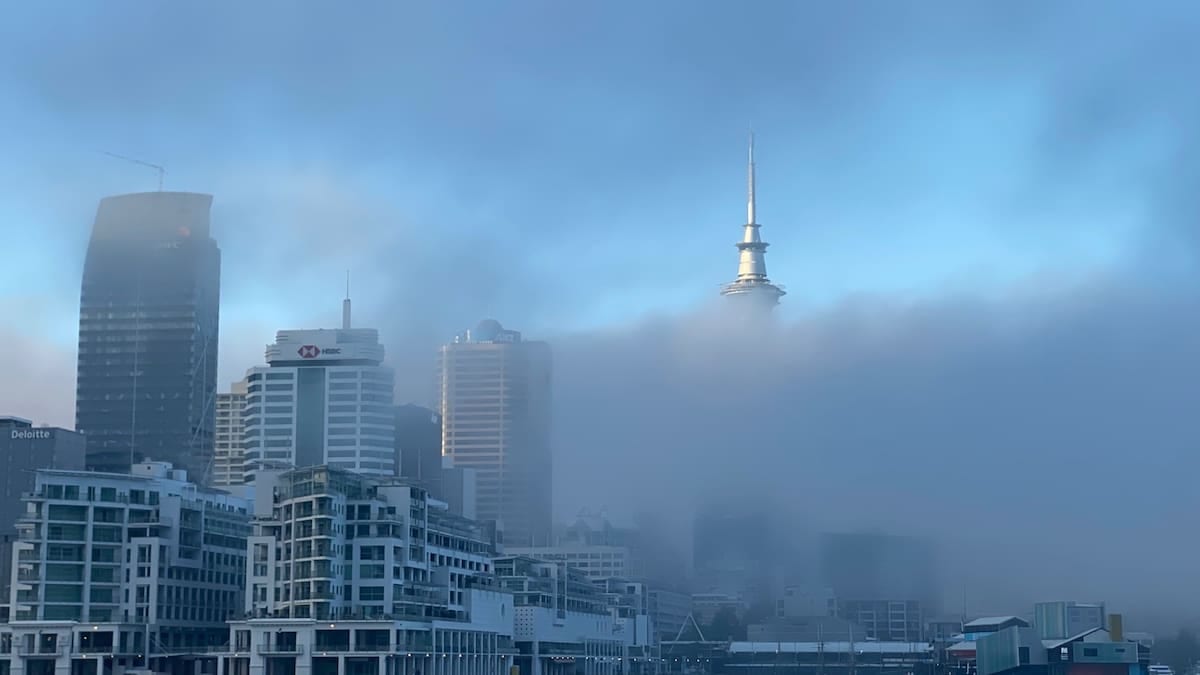
Low visibility complicates a major festival weekend
The Solent is recognised as one of the busiest stretches of water in Europe, carrying a mix of commercial shipping, naval movements and dense seasonal leisure traffic between the Isle of Wight and the south coast of England. Reports indicate that banks of low‑lying fog have reduced visibility in key approaches, raising the risk of disruption just as tens of thousands of festival‑goers make the crossing.
Publicly available information from local marine and port authorities describes visibility varying significantly over short distances, with clearer patches near the mainland giving way to thicker fog closer to mid‑channel and around the island’s northern shore. In such conditions, larger ferries can typically continue operating with additional precautions, while smaller private craft and paddleboards are more exposed to sudden changes in sea state and sight lines.
The Isle of Wight Festival, staged at Seaclose Park in Newport, is one of the island’s highest‑profile annual events and generates a sharp spike in passenger numbers for cross‑Solent services. Historic travel data and marketing material from operators show that festival weekends routinely boost hovercraft and ferry patronage, tightening capacity on key routes between Southampton, Portsmouth and Ryde.
Maritime risk assessments for the Solent highlight that poor visibility can quickly amplify existing hazards, including fast‑moving commercial shipping lanes and strong tidal flows near key headlands. For festival passengers unfamiliar with the waterway, the combination of fog, crowded sailings and tight arrival times for campsites and parking compounds can add further pressure.
Ferries, hovercraft and small craft urged to exercise caution
According to publicly accessible schedules and guidance from cross‑Solent operators, ferries linking the mainland to East Cowes, Fishbourne and Yarmouth remain the primary routes for festival traffic, supplemented by high‑speed catamarans and the Southsea to Ryde hovercraft. These services are designed to run in a wide range of weather, but dense fog can necessitate slower speeds, altered approaches or temporary suspensions while visibility improves.
Operational notices for the Solent emphasise that captains may adjust departure times or crossing durations to maintain safe distances from other vessels and navigation marks. In practice, that can translate into queues at terminals during peak festival arrival and departure windows, particularly when sailings are already close to full. Passengers travelling with cars may experience longer waits than foot travellers, as vehicle deck loading can be more tightly constrained by any rolling timetable changes.
Recreational boaters and paddleboarders are also being highlighted in local marine safety messaging. The stretch between the island and the mainland funnels traffic into narrow approaches off Cowes, Ryde and the western Solent, leaving limited room for error when sight lines shorten. Published harbour guides for Cowes and other ports stress the importance of radar reflectors, lights, sound signals and close adherence to shipping channels in reduced visibility.
Harbour pilotage documents further underline that fog increases the reliance on electronic navigation aids and local knowledge. Commercial vessels may sound more frequent fog signals and alter courses to keep to the deepest, most clearly buoyed water, while leisure craft are advised to keep clear of main fairways during busy festival peaks.
Road and traffic measures on the island remain in force
Alongside concerns on the water, a series of temporary traffic orders for the Isle of Wight Festival period are already in place on key approach roads to Newport. A notice published by the Isle of Wight Council details lane closures and one‑way systems on sections of Fairlee Road, the Fairlee Link Road and surrounding residential streets for dates aligned with the festival weekend.
The traffic order indicates that certain stretches of the A3054 near Seaclose Park are restricted to one‑way operation or controlled movements during the build‑up and break‑down of the event. These measures are designed to manage the surge of cars, campervans, shuttle buses and service vehicles funneling towards the festival site from the ferry terminals and island towns.
Publicly available council documents also note that traffic controls can be activated or scaled back depending on real‑time conditions. In practice, that means motorists arriving from the ferries may encounter diversions, temporary signals or marshalled junctions as they approach Newport, particularly at peak arrival times on the Thursday and Friday of the festival.
For island residents not attending the event, the combination of festival traffic and weather‑related delays on the Solent can still affect everyday journeys. Historic commentary from local travel forums and community channels points to periodic congestion on the main north‑south routes when festival schedules and poor conditions at sea coincide.
Guidance for passengers crossing the Solent in fog
Travel and safety information available from transport operators and marine agencies emphasises preparation and flexibility for anyone crossing the Solent during periods of low visibility. Passengers are encouraged to build extra time into their journeys to accommodate slower sailings, queuing at ports and potential road congestion on both sides of the water.
Advisory material suggests that travellers should check the status of specific sailings on the day of travel and consider earlier departures when possible, especially if they hold day tickets for particular performances or have fixed check‑in times at campsites. Foot passengers may wish to use high‑frequency services, such as fast catamarans and hovercraft, which can be easier to retime than fully booked car ferries when the timetable is under pressure.
For those using small private craft, publicly available guidance across the Solent region consistently recommends avoiding non‑essential crossings in dense fog, ensuring all onboard have lifejackets, and carrying appropriate navigation equipment, including charged communication devices. Staying clear of busy approaches to commercial ports and listening out for sound signals are repeatedly highlighted as basic precautions.
As the Isle of Wight Festival weekend progresses, conditions are expected to remain under close observation across marine and road networks. While most festival editions proceed with only minor weather‑related disruption, the presence of fog in such a constrained and heavily used waterway adds a further variable that passengers and planners must factor into their Solent crossings.