


More news on this day
Heavy fog has descended on large parts of the UK on Monday 9 November 2026, triggering a widespread yellow weather warning and causing disruption for commuters on key road, rail and air routes.
Get the latest news straight to your inbox!
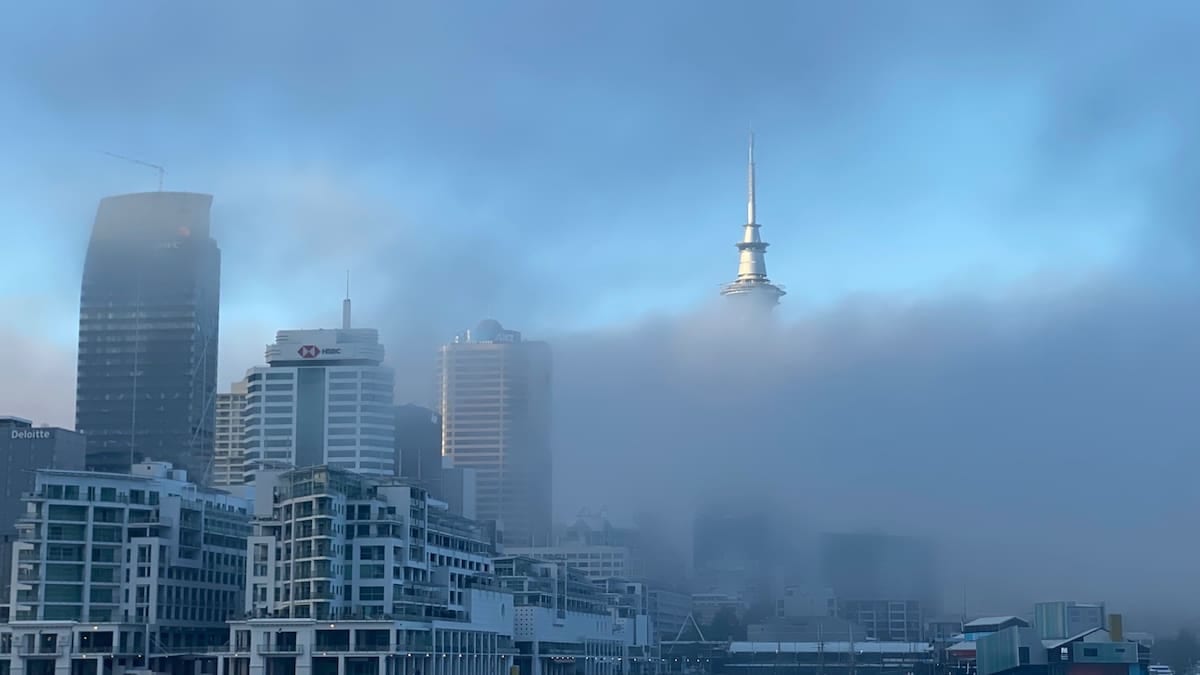
Met Office issues widespread yellow fog warning
The Met Office has placed a yellow warning for fog over much of England and parts of Wales from Monday evening through to late Tuesday morning, citing a high likelihood of difficult travel conditions and possible delays. Publicly available information indicates that the warning runs broadly from 18:00 on Monday 9 November until late morning on Tuesday 10 November, with visibility in some areas expected to fall below 100 metres.
The warning area stretches from Wales across the Midlands and into eastern England, with extensions south into parts of the South East. Regions listed in the Met Office alert include the East Midlands, West Midlands, North West England, London and the South East, as well as sections of eastern England and Wales. A similar alert was already in force for the Monday morning rush hour, leading to persistent disruption for early travellers.
According to the Met Office’s national severe weather warning service, the current yellow alert reflects a combination of high likelihood and moderate impact. The agency notes that while conditions are not classed at the most serious level, the fog is dense enough to slow journeys, affect public transport timetables and introduce a risk of flight disruption at some of the country’s busiest airports.
Forecast guidance suggests that fog patches will redevelop and thicken during the late evening as temperatures fall, with light winds and clear skies providing what meteorologists describe in published coverage as a “perfect recipe” for dense mist. The fog is expected to lift gradually through the course of Tuesday morning, although some inland areas may see stubborn low cloud lingering into the afternoon.
Road networks hit by low visibility and slower journeys
Reports on Monday morning highlighted significantly reduced visibility on major routes including sections of the M11 in Essex and motorways across the Midlands and South East, with drivers encountering thick banks of fog and slow-moving traffic. Broadcasters and news outlets shared images of vehicles travelling with headlights illuminated through dense grey conditions, underscoring the challenge for motorists attempting to reach work or school.
Travel advice from the Met Office and motoring organisations urges drivers to allow extra time, reduce speed and increase stopping distances where visibility deteriorates. Public guidance also stresses the importance of correctly using dipped headlights and, where appropriate, front and rear fog lights, while avoiding full-beam lights that can reflect off the fog and further impair vision.
In parts of central and eastern England, the yellow warning has been in place since early morning, covering a corridor that includes cities such as Nottingham, Leicester and Birmingham. Localised delays have been reported on busy commuter corridors feeding into these urban centres, with some travellers choosing to postpone non-essential journeys until conditions improve.
Safety messages circulating via regional media remind drivers to avoid sudden braking and to be prepared for pockets of very dense fog that may appear with little warning, even where nearby stretches of road remain clearer. Fog-related collisions remain a concern on high-speed roads, particularly where visibility drops sharply and traffic density is high during peak times.
Rail passengers advised to check morning and evening services
While rail networks are generally more resilient to fog than to high winds or flooding, the current conditions are still having an effect on timetables. The Met Office warning highlights the potential for slower journey times and minor delays to train services across the warning area, especially where speed restrictions are introduced as a precaution.
According to national and regional transport coverage, operators have been advising passengers to check live departure information before travelling, particularly during the morning and evening peaks on Monday and Tuesday. Some early services encountered minor delays as trains moved more cautiously in the most affected corridors and as signalling systems responded to the foggy conditions.
On suburban and regional routes feeding into major hubs such as London, Birmingham and Manchester, the impact has varied from line to line. In dense fog, platform visibility can also be reduced, prompting announcements and signage urging passengers to take extra care near the platform edge and allow additional time to move through stations that may feel more congested than usual.
Rail industry guidance points out that heavy fog can interact with signalling procedures, particularly in areas where older systems remain in place. Although these measures are designed with safety in mind, they can translate into slightly longer headways between trains and knock-on delays at busy interchanges when visibility falls for extended periods.
Flight schedules disrupted at major airports
Air travel has been among the most visible casualties of the current fog episode. Reports from national news outlets indicate that London Heathrow experienced some disruption to arrivals and departures on Monday morning, with low cloud and fog affecting runway visibility. Passengers have been warned to expect potential delays or cancellations as the weather pattern continues into Tuesday.
Weather-related advisories highlight that airports across the warning zone, including hubs in the Midlands and South East, may introduce low-visibility procedures when conditions deteriorate. These can require wider spacing between aircraft on approach and departure, reducing runway capacity and leading to queues on the ground and in the air.
Airlines are encouraging passengers booked on evening and early-morning flights to monitor flight status closely and to allow extra time for travel to the airport, given the impact of fog on surrounding road networks. Where flights are significantly delayed or cancelled, travellers are being directed to rebooking options or alternative routings later in the day once conditions improve.
Smaller regional airports within the affected belt may be more exposed to disruption, as limited runway and approach lighting or fewer navigational aids can make operations more sensitive to rapid drops in visibility. Aviation sources suggest that any prolonged thick fog overnight from Monday into Tuesday could result in a busy period of knock-on delays as schedules attempt to recover.
What travellers should know in the coming 24 hours
With the yellow warning scheduled to cover both the Monday evening commute and the Tuesday morning rush, travellers across the affected parts of the UK face an extended period of uncertainty. Forecasts suggest that conditions may vary considerably over short distances, with some areas experiencing clear spells while neighbouring districts remain shrouded in fog.
Publicly available guidance emphasises the importance of monitoring the latest forecast and checking for updates from transport operators throughout the day. For essential journeys, travellers are encouraged to build in extra time, carry water and warm clothing in case of unexpected delays, and remain flexible about routes and modes of transport.
The current episode arrives during the late autumn transition into winter, a period when longer nights, cooling ground temperatures and light winds often combine to create persistent fog across low-lying parts of the UK. Meteorological commentary notes that similar yellow fog warnings have become a recurring feature of the season, particularly for central and southern England.
Beyond Tuesday morning, forecast charts indicate that a change to cloudier, windier and wetter conditions is likely to disperse the fog but may bring a different kind of travel challenge later in the week. For now, though, it is the dense, slow-moving mist across England and Wales that is shaping journeys, as commuters adapt plans to navigate another fog-bound start and end to the working day.