


More news on this day
Thick fog forecast for parts of England on Remembrance Sunday is expected to slow road, rail and air travel, prompting warnings of possible disruption for those heading to services and parades.
Get the latest news straight to your inbox!
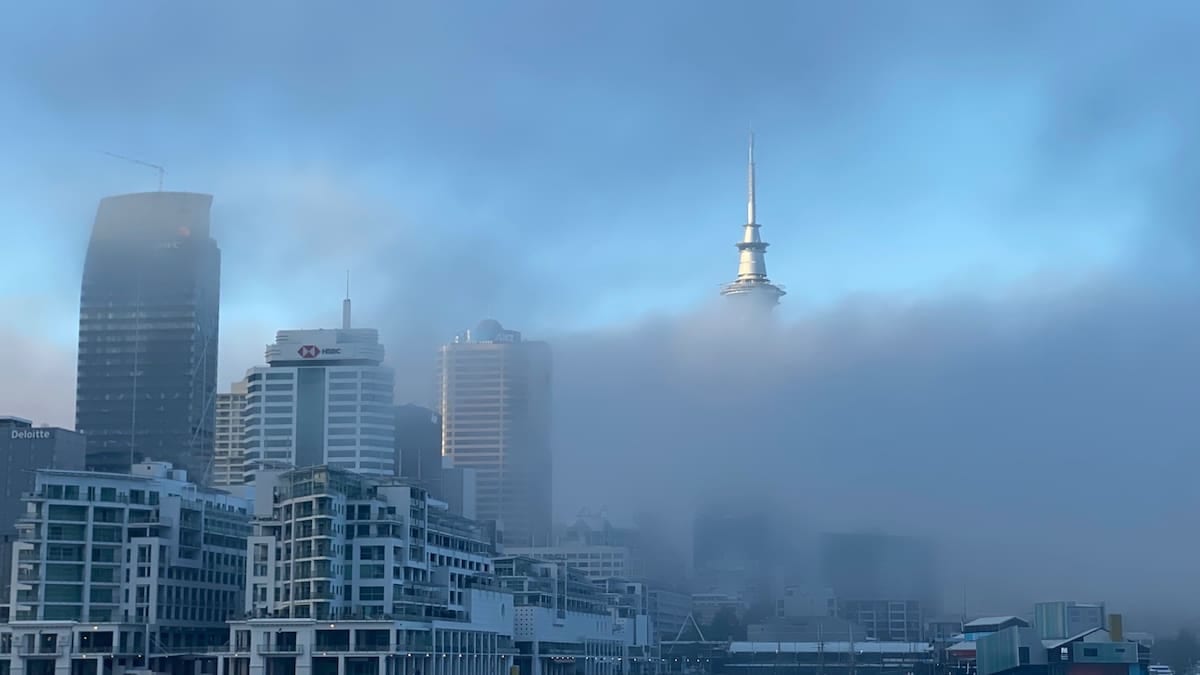
Yellow fog warning in place for key Remembrance routes
Publicly available information from the Met Office shows a yellow weather warning for fog covering a broad swathe of central and southern England from midnight to 10am on Sunday 8 November 2026. The warning area stretches from around Stoke-on-Trent in the north through parts of the East and West Midlands down to the West Country and the south coast between roughly Exeter and Brighton.
The alert indicates that fog, dense in places, may become increasingly widespread during the second half of Saturday night, only clearing slowly on Sunday morning. Visibility in the worst affected spots is expected to fall below 50 metres, creating challenging conditions for drivers and transport operators.
The Met Office assessment states that there is a likelihood of slower journey times on the roads, with delays to bus and train services possible, as well as a chance of delays or cancellations to flights on Sunday morning. Forecasters also highlight that fog could linger into the afternoon in some low-lying areas and valleys in the south and southwest, including parts of the Severn Valley.
The yellow warning is described as carrying a high likelihood and moderate impact, meaning that disruption is considered reasonably probable but short of the most severe levels that might trigger higher-tier alerts. Travellers are advised by publicly available guidance to monitor the latest forecast in case the warning area or timing is updated at short notice.
Remembrance Sunday events expected to draw large crowds
Remembrance Sunday, which in 2026 falls on 8 November, is marked across the United Kingdom with local parades, church services and wreath-laying ceremonies at war memorials. In London, the National Service of Remembrance is scheduled to take place at the Cenotaph on Whitehall on Sunday morning, with road closures and security measures usually in place in the surrounding area.
Government information on the National Service of Remembrance indicates that the central London event brings together senior members of the royal family, political leaders, military representatives and veterans, alongside large numbers of spectators. Public advice for those attending typically includes using public transport where possible and allowing extra time to reach the ceremony.
Across England, local authorities, veterans’ groups and community organisations are expected to host their own commemorations, often centred on 11am services and two minutes of silence. Many of these gatherings are held in town and city centres or close to main roads, increasing the importance of safe and reliable travel conditions on what is already a busy morning.
The combination of organised road closures for parades and the potential for poor visibility from fog means that drivers may encounter unfamiliar diversion routes or congestion. Publicly available event notices often warn of short-term disruption around memorials, and the added weather risk this year could heighten the chance of bottlenecks if traffic flows are slowed.
Road and rail journeys face slower conditions
Guidance linked to the current Met Office warning suggests that drivers should expect slower journey times on major corridors crossing the affected area, including routes through the Midlands, the South West and southern England. Motorways and trunk roads passing through counties such as Staffordshire, Gloucestershire, Wiltshire, Hampshire and Surrey are likely to see patches of dense fog, particularly around dawn.
In low-visibility conditions, national travel advice typically recommends reducing speed, increasing stopping distances and using dipped headlights and fog lights where appropriate. Motorists are encouraged to check that lights are working before departure and to consider delaying or rerouting early-morning trips if conditions on key sections are reported to be particularly poor.
Publicly available information on the warning also notes the potential for delays to bus and train services. Reduced visibility can require slower running speeds on some rail lines, and heavy traffic approaching stations and park-and-ride facilities may extend boarding times. On Remembrance Sunday, when many travellers time their journeys precisely around services and parades, even minor timetable changes may cause inconvenience.
National Rail Enquiries and regional train operators are advising passengers, through their regular public channels, to check for updates before leaving home. Transport planners indicate that allowing additional time to connect between services or to walk from stations to memorials could help offset the impact of any weather-related slowdowns.
Air travel and London connections under scrutiny
The current fog warning highlights a chance of delays or cancellations to flights from airports within or close to the affected region. Previous episodes of dense fog in the UK have led to knock-on disruption at busy hubs when aircraft movements are restricted for safety reasons, and aviation forecasts are being closely watched by airlines and airports.
Major airports in southern and central England, including those serving London and the South West, sit within or near the yellow warning zone. Visibility falling below operational thresholds can mean aircraft require greater spacing for take-off and landing, which in turn reduces capacity during peak periods such as the early-morning arrival and departure banks.
Public travel advice from airport operators for similar conditions typically urges passengers to check the status of their flight before setting out and to factor in slower road journeys to terminals. Car parks and approach roads can also be affected by fog, with reduced visibility and lower speeds around junctions and roundabouts extending travel time.
For those heading to central London Remembrance events from outside the capital, the combination of possible flight disruption, busy rail routes and planned road closures in Westminster underscores the value of contingency planning. Travellers may wish to consider earlier services than originally booked, or to build in flexibility in case early-morning fog lingers longer than expected.
Met Office outlook offers gradual improvement later in the day
The broader national forecast from the Met Office for Sunday 8 November points to a murky start across much of England and Wales, with fog and low cloud slow to clear in places. Once the fog lifts, many southern and central areas are expected to see brighter spells with light winds and temperatures close to the seasonal average for early November.
Outlook summaries indicate that patchy rain will tend to be confined to parts of northern England and eastern Scotland, while high pressure remains a dominant feature of the UK weather pattern. The relatively calm conditions, while reducing the risk of wind and heavy rain, contribute to the formation and persistence of fog overnight and into the morning.
Travel planners note that conditions should gradually improve for return journeys later on Sunday as visibility increases and the fog disperses. However, evening mist and patches of fog could re-form in some central parts of Britain after dark, particularly where skies clear and winds remain light.
Met Office guidance for the current warning period stresses that weather alerts can change as new data become available. Travellers heading to Remembrance Sunday events are therefore encouraged, through widely available public information, to keep checking official forecast channels and transport updates so they can adjust their plans in line with the latest conditions.