


More news on this day
Dense fog warnings in place across most of Ireland this weekend are expected to reduce visibility on roads, affect flight schedules and slow rail and bus operations for travellers planning cross-country journeys.
Get the latest news straight to your inbox!
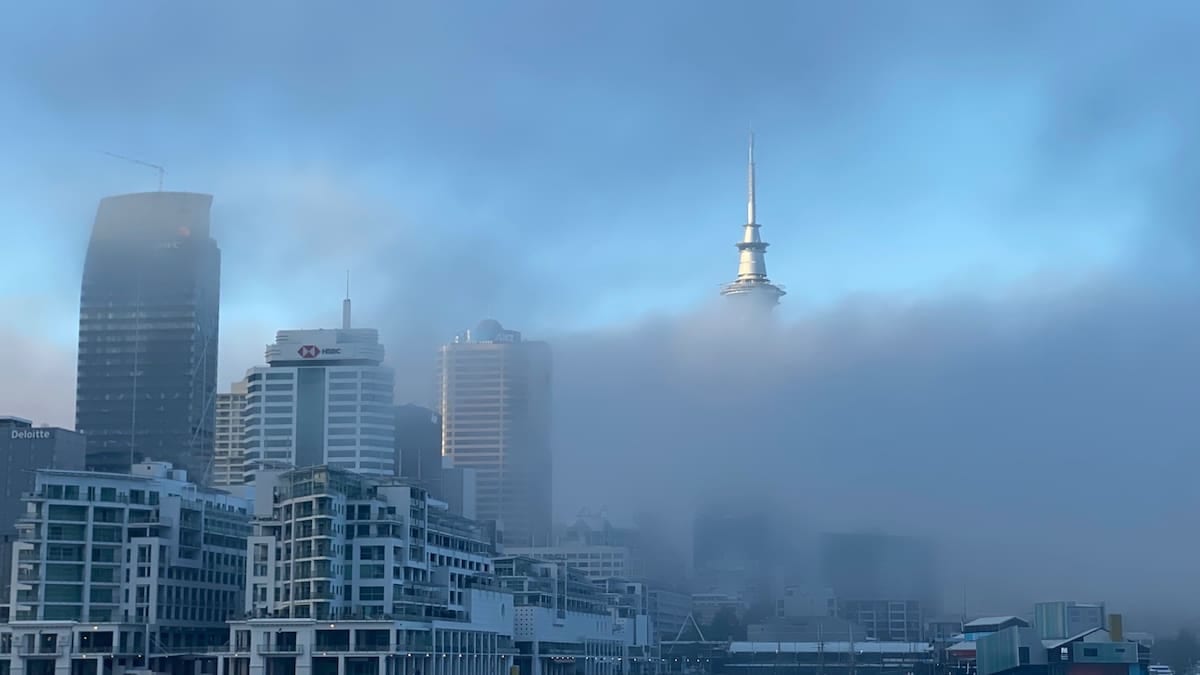
Widespread Status Yellow alerts through Sunday morning
Met Éireann has issued a series of Status Yellow fog warnings covering much of the country, with alerts extending overnight into Sunday morning for large parts of Leinster, Munster, Connacht and several Ulster counties. Publicly available forecasts describe dense fog forming from late evening on Saturday 7 November and lingering in places until around 11:00 on Sunday, particularly in inland areas where winds remain light.
Previous alerts from Friday night into Saturday morning were already in effect for Leinster, Munster and Galway, highlighting a pattern of repeated overnight fog episodes ahead of the weekend. National forecast bulletins indicate that high pressure, light winds and cool air are combining to produce widespread mist and fog, with temperatures generally between 7 and 11 degrees during the day and falling close to or just above freezing in some inland locations at night.
Weather warning summaries compiled from official data describe the risk of poor visibility and hazardous travelling conditions, especially on untreated or unlit roads. The advisory level remains at Status Yellow, the lower tier of Ireland’s impact-based warning system, but travel services and local media have been emphasising that even a lower-level warning can cause significant disruption when it coincides with peak weekend movements.
Road journeys: slow speeds and localised disruption expected
Road users are being urged in public information campaigns and traffic bulletins to expect slow-moving traffic on key inter-urban routes, including sections of the M7, M8 and M9 corridors that cross fog-prone low-lying ground. Transport information services report that dense patches are especially likely overnight and around dawn, when visibility can drop sharply over short distances.
Guidance from winter-readiness leaflets produced by national agencies recommends that drivers in fog use dipped headlights rather than full beam, switch on rear fog lights when visibility is severely reduced, and maintain greater distances from the vehicle in front. Motorists are also advised to clear all windows fully before departure, watch for sudden queues near junctions and slip roads, and be prepared for slower journey times than satellite navigation estimates suggest.
Local media coverage on Saturday already noted difficult conditions for motorists in parts of Clare, the midlands and the south-east, where fog lingered beyond the expiry time of an earlier warning period. The renewed alerts into Saturday night mean similar conditions are possible again, particularly for people returning from evening events or early-morning travellers heading to ports and airports on Sunday.
Air travel sees Shannon diversions and potential knock-on delays
Fog has already begun to affect air operations in the west of Ireland. Regional reporting from Shannon Airport on Saturday morning indicated that at least two inbound services, including an Aer Lingus transatlantic flight from New York, diverted to Dublin due to poor visibility at Shannon. Flight-tracking data showed aircraft entering holding patterns before decisions were taken to divert rather than attempt approaches in conditions below landing minima.
While main hubs such as Dublin Airport generally have more advanced landing aids and higher traffic resilience, persistent dense fog can still lead to schedule disruption if visibility falls below operational thresholds. Airlines may be required to increase spacing between arrivals and departures, which can quickly create delays, particularly during busy weekend morning banks of European services.
Passengers booked on early flights on Sunday are being advised in airline and airport updates to check the latest departure status before leaving home and to allow extra time for surface access, as the same fog that affects runways can also slow road traffic into terminal areas. Travellers with tightly timed rail or coach connections from airports may need to plan for possible missed links and consider more flexible arrangements.
Rail and bus services face slower operations in low visibility
National and regional rail operators have not announced widespread cancellations linked directly to the fog, but low-visibility operating procedures can still lead to slower running on certain sections of track. Publicly available travel updates for previous fog episodes show that drivers may receive instructions to reduce speed on stretches where lineside signals or level crossings are harder to see, adding a few minutes to journey times on intercity routes.
Interurban and commuter bus services, especially those crossing rural areas in the midlands, south and west, are likely to experience similar impacts. Operators generally keep services running through fog but may adjust timetables informally if drivers encounter long stretches of severely limited visibility and heavy traffic near urban centres. Passengers catching early services to cities such as Dublin, Cork, Limerick and Galway on Sunday morning should be prepared for some delays to arrival times compared with standard schedules.
For travellers with connecting ferry crossings or flights, the combination of slower roads and possible public transport delays increases the value of building in additional margin. Travel planners note that adding at least 30 minutes to typical cross-city transfer estimates can provide a useful buffer during periods of dense fog, especially around ports and regional airports.
Practical advice for weekend travellers across Ireland
Travel and safety campaigns based on national winter-readiness guidance encourage people who do not need to be on the move during the worst of the fog to consider delaying non-essential journeys until later in the morning, once visibility has improved. Where travel cannot be postponed, packing a high-visibility jacket, keeping a charged mobile phone and ensuring vehicles have sufficient fuel or battery range are among the recommended precautions.
Public information materials distributed ahead of the winter season also highlight the importance of monitoring multiple official channels for updates, including national meteorological forecasts, transport operator notices and real-time traffic maps. Many of these services offer smartphone alerts that can warn of newly issued fog advisories or extended validity periods that may affect return journeys.
With Status Yellow fog warnings now stretching across most of the country and repeated night-morning cycles of mist and low cloud in the forecast, this weekend is shaping up to be one where patience and extra planning will be central to smoother travel. Those allowing more time for each leg, checking conditions before departure and remaining alert to rapidly changing visibility are best placed to keep trips through Ireland moving despite the fog.