


More news on this day
Thick overnight fog is expected to blanket large parts of England into Remembrance Sunday, raising the risk of slower journeys, public transport delays and flight disruption for travellers heading to services and weekend getaways.
Get the latest news straight to your inbox!
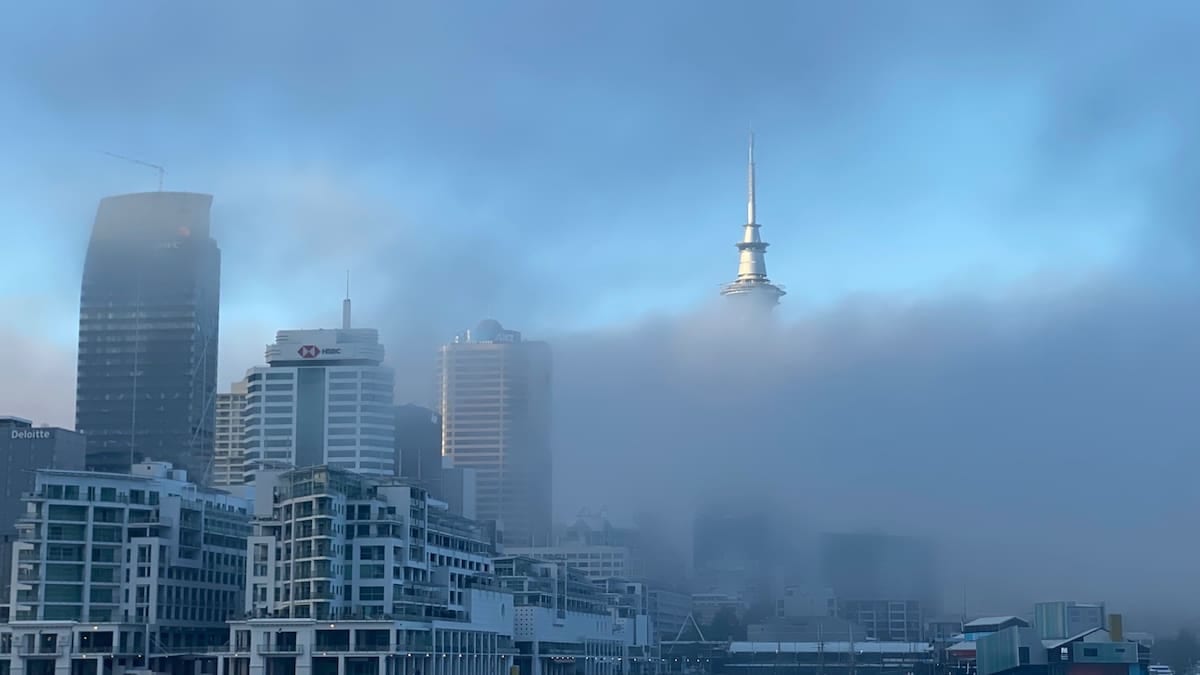
Yellow fog warning in force through Sunday morning
The Met Office has issued a yellow weather warning for fog from midnight until 10:00 on Sunday 8 November, coinciding with Remembrance Sunday commemorations across the United Kingdom. The alert covers a broad swathe of central and southern England, including sections of the East Midlands, West Midlands, South West, and London and the South East.
Publicly available guidance from the agency states that fog, dense in places, may reduce visibility to below 50 metres in some areas. The warning is described as having a high likelihood and moderate impact, which indicates a 50 to 75 percent chance of some disruption rather than a guarantee of severe conditions.
Areas listed within the warning include parts of Derbyshire, Leicestershire and Northamptonshire in the East Midlands, as well as Staffordshire, Stoke-on-Trent, Warwickshire and the West Midlands conurbation. In the South West, the zone extends across Bristol, Gloucestershire, Wiltshire, Somerset, Devon and Dorset, while in the South East it takes in counties such as Hampshire, Oxfordshire, Surrey, West Sussex and East Sussex.
The national forecast for Remembrance Sunday points to fog and any early frost gradually lifting, with brighter conditions developing later in the day for many locations. However, the timing of clearance is expected to vary, with some inland valleys in the West Country and central southern England likely to hold on to low visibility for longer into the morning.
Road and rail passengers urged to allow more time
The fog warning highlights the potential for slower journey times on major roads and local routes where visibility drops sharply. Motorists are advised in published Met Office guidance to check road conditions before setting out, allow extra time, and be prepared to amend plans if visibility deteriorates overnight or during the Sunday morning peak.
Dense fog can be particularly disruptive on motorways and key corridors feeding into cities such as Birmingham, Bristol and Exeter, where traffic volumes are expected to be higher than average because of Remembrance Sunday events and regular weekend travel. Past episodes of widespread fog in the UK have led to a combination of reduced speed limits, congestion around junctions and a higher incidence of minor collisions.
Rail passengers are also being warned of possible delays. The yellow warning notes that slower journey times and timetable impacts on bus and train services are possible where signalling systems and drivers are affected by poor visibility. While no widespread alterations to Sunday rail timetables had been reported at the time of writing, several regional news outlets in the Midlands and South West were advising customers to check live departure boards and allow additional interchange time.
Local authorities routinely introduce temporary road closures and traffic restrictions around cenotaphs and war memorials to facilitate Remembrance parades and services. Community notices from previous years show that these measures can already affect usual driving and bus routes on the morning of Remembrance Sunday, and low visibility this year may compound those changes for visitors unfamiliar with diversion signs.
Air travel at risk of delays and diversions
The Met Office warning explicitly notes a chance of delays or cancellations to flights where fog persists over airport runways and approach paths. Published reports on recent UK fog events indicate that dense, persistent fog has previously led to disruption at airports including London Heathrow, London City, Bristol and Manchester, with knock-on impacts across domestic and short-haul European networks.
Regional coverage on Saturday highlighted Bristol and other airports in the South West as being within the current warning area, with operators preparing for the possibility of early-morning schedule changes if visibility drops below operational thresholds. Airport information pages typically advise passengers to confirm the status of their flight directly with their airline and to allow more time for transfers to the terminal, especially where road conditions are affected by fog.
Even when airports remain open, low-visibility procedures can require increased spacing between aircraft for safety, which in turn can reduce runway capacity and lengthen queues for take-off and landing. As seen during previous winter fog episodes, that can translate into extended waiting times on stands or in holding patterns, and occasional diversions to airports with better conditions.
Travel industry advisories recommend that anyone with early flights on Remembrance Sunday monitor both the weather forecast and real-time airport updates on Saturday night and before leaving home. For those with flexible plans, shifting to a later departure once fog has begun to lift may reduce the risk of disruption.
Fog risk coincides with Remembrance Sunday events
Remembrance Sunday in 2026 falls on 8 November, the closest Sunday to Armistice Day on 11 November. Across the country, national and local observances are scheduled for late morning, including the Cenotaph ceremony in central London and services at town and village memorials.
The timing of the yellow fog warning means that the lowest visibility is forecast during the early hours and morning period, when many attendees will be travelling into city centres and town squares. While the fog is expected to lift by late morning in many areas, residual mist and damp road surfaces may persist around the time of the traditional two-minute silence at 11:00.
Organisers of local parades and church services typically publish details of road closures, diversions and public transport advice in advance. This year, the added weather risk may make early planning particularly important for visitors who are travelling longer distances to attend family or regimental events, especially in the West Midlands, Wessex and Home Counties where the warning coverage is greatest.
Travel commentators note that Remembrance Sunday routinely generates one of the busier off-peak Sunday mornings for regional travel within the UK, as families combine attendance at services with day trips, shopping and returning university students. The presence of dense fog on key road and rail corridors has the potential to slow that movement, even if conditions improve by early afternoon.
Practical guidance for travellers and commuters
Publicly available safety advice linked to the Met Office warning encourages drivers to ensure that fog lights are working before setting off and that they know how to switch them on and off correctly. Motorists are also reminded to maintain greater following distances, avoid sudden braking where possible and be alert for pedestrians and cyclists who may be harder to see in dense patches.
For those using buses or trains, operators and transport websites are expected to carry the latest service information on Sunday morning. Passengers planning connections between different modes, such as rail to coach or park-and-ride services into city centres, may wish to build in extra time to accommodate reduced speeds or altered stopping patterns where visibility is poorest.
Travel advice aimed at air passengers stresses the importance of monitoring airline notifications closely, particularly for early departures from airports within the warning zone. Where flights are delayed or cancelled because of weather, options usually depend on airline policies and ticket conditions, so checking those details in advance can help travellers respond quickly if schedules change.
With the Met Office indicating that fog has been a recurring feature of the weather pattern leading into the Remembrance weekend, further updates to warnings remain possible. Travellers are advised in public guidance to stay up to date with the latest forecast for their specific area and to adjust their plans if conditions turn out to be more severe or longer lasting than currently projected.