


More news on this day
Hundreds of cruise passengers expecting to sail from Miami on an 11-night Caribbean itinerary this week instead found themselves unexpectedly stranded ashore after the U.S. Coast Guard detained their ship at PortMiami, prompting MSC Cruises to cancel the voyage at short notice.
Get the latest news straight to your inbox!
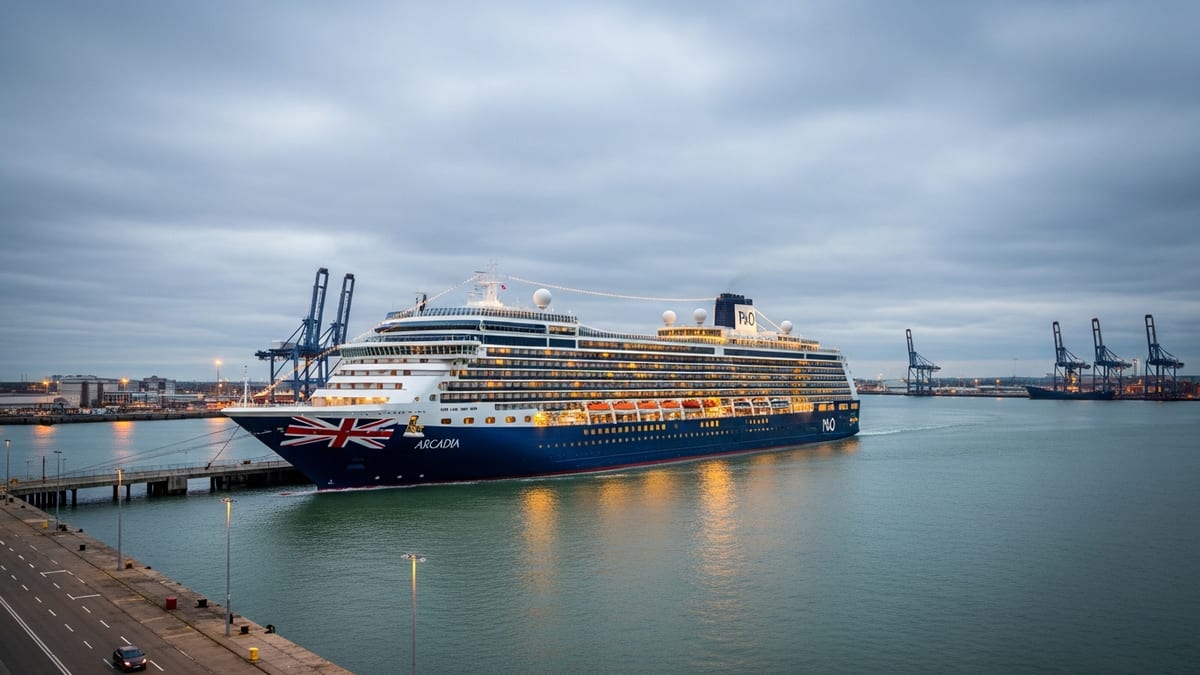
Inspection in Miami Halts MSC Poesia Departure
Publicly available information shows that the vessel involved is MSC Poesia, an Italian-flagged ship operated by MSC Cruises and scheduled to depart PortMiami on an 11-night Caribbean sailing. The ship remained at the dock after the U.S. Coast Guard initiated what has been described in local coverage as an expanded inspection on Sunday, November 1, 2026.
Reports from regional broadcasters and cruise industry outlets indicate that during this inspection, the Coast Guard identified a series of safety-related deficiencies. While detailed technical findings have not been fully disclosed, coverage references issues that must be resolved before the vessel is authorized to depart with passengers.
With the ship unable to secure clearance to sail, the scheduled departure was repeatedly delayed over a period of days. Passengers who had already boarded remained in limbo at PortMiami while the operator awaited a decision on whether the voyage could still proceed.
By Tuesday, November 3, 2026, MSC Cruises confirmed through public statements referenced in multiple news reports that the 11-night cruise would be canceled entirely, citing the ongoing detention of the ship and the need to complete corrective actions identified during the Coast Guard review.
Passengers Face Unexpected Hotel and Flight Costs
According to published coverage from Miami-based outlets and national media, the abrupt cancellation affected more than 2,000 passengers who had planned to spend nearly two weeks visiting ports around the Caribbean. Many had traveled from out of state or overseas and suddenly needed to secure hotel rooms and alternative transportation home from one of the busiest cruise hubs in the United States.
Travel reports and on-the-ground accounts compiled in news stories describe frustrated guests confronting sold-out or high-priced last-minute accommodation in central Miami and Miami Beach, particularly for those traveling in family groups. Several passengers reported spending hours rebooking flights and rearranging ground transportation after learning that the ship would not leave the port.
Coverage indicates that some travelers chose to remain in South Florida for a short break, turning the failed cruise into an improvised land stay. Others, particularly international visitors, focused on minimizing added costs by booking the earliest available flights back home, sometimes from nearby airports such as Fort Lauderdale–Hollywood International Airport.
Consumer travel reporters note that while many standard travel insurance policies can cover trip interruptions, reimbursement often depends on the specific wording of the policy and whether a cruise cancellation due to safety deficiencies is listed as a covered reason. Passengers without comprehensive coverage may have to absorb some or all ancillary expenses such as extra hotel nights and meals in Miami.
MSC Compensation Offer and What It Covers
Cruise specialist publications and business press reports state that MSC Cruises responded by offering affected MSC Poesia passengers a package of financial compensation. Publicly available information indicates that the offer includes a full refund of the canceled voyage and a future cruise credit equal to 100 percent of the fare originally paid.
The refund component is expected to be processed back to the original form of payment, while the future cruise credit can typically be applied to another MSC sailing within a defined booking window. Specific time limits and blackout dates, if any, have not been fully detailed in public reporting, and passengers are being directed to review the terms provided directly by the cruise line.
However, current coverage suggests that this compensation focuses on the cruise fare itself, and does not automatically extend to out-of-pocket expenses incurred on land in Miami. Items such as independently booked airfare, pre-cruise hotel stays, and added post-cancellation lodging are usually handled under separate policies, which may include travel insurance claims or case-by-case discussions between passengers and the operator.
Industry analysts quoted in trade coverage describe the compensation as broadly consistent with how major cruise lines have handled cancellations when vessels were unexpectedly detained for safety or regulatory reasons, while also noting that the timing near the start of peak Caribbean season could complicate passengers’ efforts to find comparable replacement sailings.
Coast Guard Oversight and Cruise Safety Rules
Public Coast Guard guidance and prior government testimony available online outline how the agency regularly inspects foreign-flagged cruise ships operating from U.S. ports to verify compliance with international safety conventions and domestic regulations. These checks can range from routine port state control inspections to more detailed, expanded examinations when potential problems are identified.
Maritime safety documentation shows that deficiencies can span a wide range of technical and operational areas, including fire detection and suppression, life-saving appliances, crew training and drills, watertight integrity, and critical machinery. If inspectors conclude that issues pose a risk to passengers or crew, they may detain a vessel until corrective measures are verified.
In this latest Miami case, the Coast Guard has not released a full list of the specific deficiencies identified aboard MSC Poesia. News outlets reporting on the incident note that the ship remained in port for several days while the operator worked with authorities to address outstanding concerns, a sequence broadly in line with established control procedures when a ship fails to meet required safety standards.
Historical records and previous Congressional discussions of cruise oversight highlight that detentions of large passenger ships are relatively infrequent compared with the volume of sailings from U.S. ports each year, but they receive heightened attention due to the number of travelers affected and the economic impact on local tourism and cruise operators.
What Future Passengers Should Know When Sailing From Miami
Miami is one of the world’s leading cruise homeports, handling millions of passengers annually on itineraries across the Caribbean and beyond. Travel advisors observing the situation note in media interviews that, while this detention has been disruptive for guests booked on MSC Poesia, it does not appear to signal broad operational problems affecting other ships currently using PortMiami.
Nonetheless, consumer advocates quoted in recent coverage emphasize a few practical steps for travelers. First, they recommend carefully reviewing the cruise contract, which sets out the operator’s responsibilities during delays and cancellations, including limits on liability and available remedies. These contracts often specify that schedules are not guaranteed and that itineraries may change for operational or safety reasons.
Second, travel insurance specialists cited in industry reports encourage passengers to compare policies that explicitly cover cruise interruptions and unforeseen port delays. Policies that reimburse unused trip costs, reasonable additional hotel nights, and rebooking fees can offer a financial buffer in rare situations where a voyage is canceled shortly before or after boarding.
Finally, recent events in Miami illustrate the value of flexible planning. Advisers suggest booking flights with changeable fares when possible, allowing at least some cushion on embarkation and disembarkation days, and keeping important reservations, receipts, and documents organized in case a claim or refund request becomes necessary if a ship is unexpectedly held in port.