


More news on this day
The United Kingdom has tightened its travel advice for Kenya, expanding no-go and restricted areas along several of the country’s land borders as concerns grow over terrorism, cross-border violence and banditry in northern and coastal regions.
Get the latest news straight to your inbox!
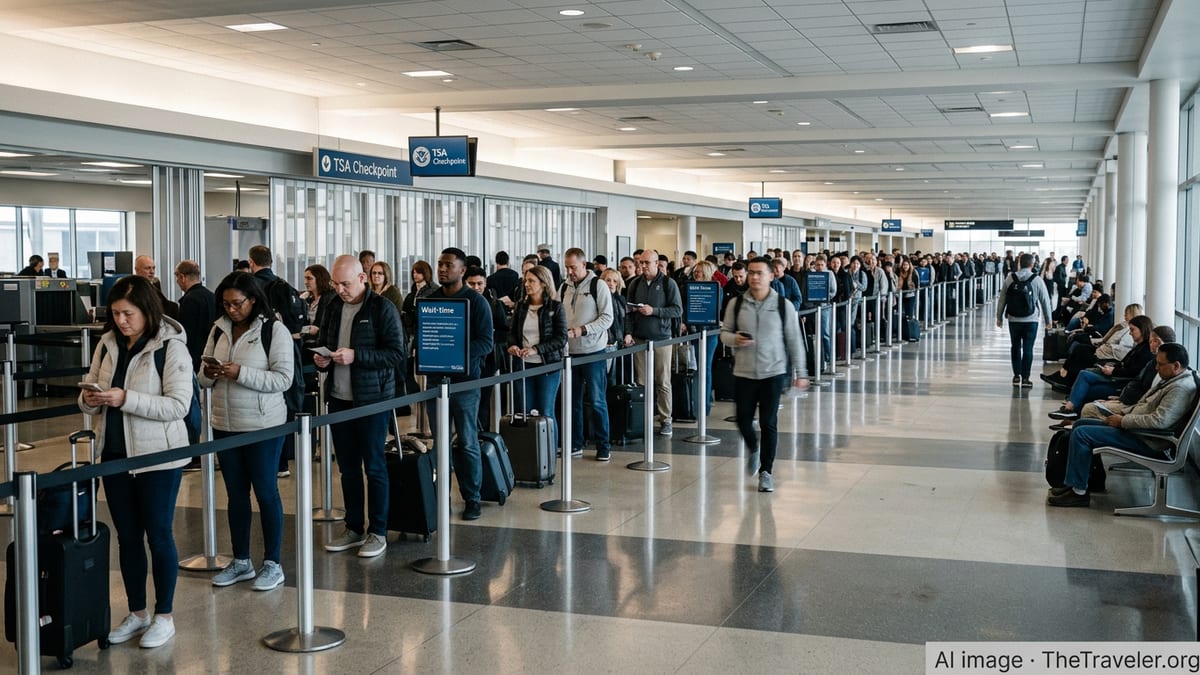
Fresh FCDO Update Targets Northern and Coastal Border Zones
According to the latest Foreign, Commonwealth & Development Office (FCDO) guidance for Kenya, updated on 6 November 2026, the UK now advises against all but essential travel to Moyale Town and a five-kilometre radius around it on the border with Ethiopia. The change appears in the warnings and regional risk sections of the Kenya travel advice, marking a clear tightening of the UK position on movements along this frontier.
This adjustment comes in addition to long-standing advice against all travel to counties and constituencies along the Kenya-Somalia border, including Mandera, most of Wajir, large parts of Garissa and sections of Lamu on the Indian Ocean coast. Only a few pockets, such as Wajir Town, Garissa Town, Lamu Island and Manda Island, remain outside the strictest warning categories.
The FCDO also advises against all but essential travel to parts of Tana River County north of the Tana River and within 15 kilometres of the east coast between the Tana and Galana rivers. These zones lie along a stretch of coastline north of the main beach resorts closer to Mombasa and Malindi but remain relevant to overland travellers and those considering off-the-beaten-path coastal itineraries.
Publicly accessible advisory trackers, which compare positions taken by several Western governments, show that the UK’s latest revision aligns it more closely with Canada and Australia in singling out border areas with Somalia, Ethiopia and South Sudan as the highest-risk zones in Kenya.
Border Security Concerns Drive Heightened Caution
Open-source coverage of the updated UK guidance indicates that the move is rooted in a combination of terrorism threats, cross-border incursions and localised banditry. Al Shabaab and allied groups operating from Somalia have previously carried out attacks in northern and coastal Kenya, particularly in Lamu and Garissa counties, and continue to be highlighted in multiple countries’ travel advisories.
Reports from Canadian, Australian and US travel advisories similarly flag the Somalia border region, rural stretches of the coast and sparsely populated northern counties as vulnerable to kidnapping, roadside attacks and improvised explosive devices. In some of these areas, foreign workers, security forces and local officials have been targeted, with occasional spillover effects on civilian road traffic and bus routes.
Kenyan government documents and public communications describe ongoing efforts to strengthen border management through the Border Control and Operations Coordinating Committee, as well as enhanced screening and surveillance at official crossing points. However, large distances, porous terrains and longstanding smuggling routes continue to complicate efforts to fully secure the frontier regions.
Joint statements and memoranda of understanding between Nairobi and London over the past two years have emphasised cooperation on regional stability, counterterrorism and border security. The timing of the latest UK travel-advice revision suggests that officials in London are closely tracking developments in these areas even as broader diplomatic and security ties with Kenya deepen.
Implications for Tourists and Safari Itineraries
Despite the sharper wording around border areas, the updated UK guidance does not advise against travel to Kenya as a whole. Popular tourism circuits such as Nairobi, the Maasai Mara, Amboseli, the Laikipia plateau and the coastal resorts around Diani Beach, Watamu and much of Mombasa remain outside the UK’s no-go lists, although travellers are urged to stay alert and monitor local conditions.
Safari operators and advisory services frequently note that most mainstream wildlife destinations sit well away from the border counties now highlighted by the FCDO. The Kenya-Somalia frontier lies hundreds of kilometres from the Maasai Mara and central highlands, while the newly restricted area around Moyale is far to the north of the typical safari belt.
However, the tightening of advice may affect overland routes and adventure itineraries that traverse northern Kenya toward Ethiopia or South Sudan, as well as road trips that attempt to link the coastal hinterland with remote inland reserves. Specialist tour companies offering these experiences may need to reassess routing, security arrangements and insurance coverage in light of the updated UK stance.
Travellers are also being reminded that UK travel insurance policies are often tied to FCDO advice. Published guidance points out that cover can be invalidated if a traveller enters an area that the FCDO categorises as off-limits or only suitable for essential travel. Policyholders are therefore being encouraged to check route maps carefully against current advisory boundaries before committing to non-standard itineraries.
Layered Risk Picture: Terrorism, Crime and Health
The tightened UK advisory on specific border zones is unfolding against a broader context of elevated caution across Kenya from several international partners. The United States currently rates Kenya at “Level 3 – Reconsider travel,” citing a mixture of terrorism, crime, kidnapping, civil unrest, health concerns and road safety. Canada and Australia recommend a high degree of caution nationwide, with higher alert levels in several border counties.
These governments’ safety and security assessments point to a combination of risks. In addition to terrorism, they highlight urban crime in parts of Nairobi and Mombasa, occasional political protests that can disrupt transport and turn confrontational, and road traffic collisions on highways that link major cities and parks.
Health considerations have also come into sharper focus for visitors. The US travel advisory for Kenya was raised from Level 2 to Level 3 in October 2026, in part due to health-risk assessments. Separately, the UK Kenya travel advice notes ongoing public health measures, including border screening and quarantine for individuals deemed at risk, reflecting concerns over outbreaks in neighbouring states.
From 5 October 2026, the Kenyan government has also introduced a mandatory travel health insurance requirement for most visitors staying less than twelve months. Publicly available entry guidance explains that the policy must be obtained from approved providers, with officials indicating that it is intended to ease pressure on local health systems and ensure that foreign visitors can cover emergency care and evacuation costs.
What UK Travellers Should Do Before Departure
With the FCDO travel advice now explicitly singling out additional stretches of Kenya’s northern frontier, prospective visitors from the UK are being urged by publicly available guidance to study official maps, read the safety and security sections in full and cross-check planned routes against risk zones. This applies not only to independent overland travellers but also to those booking multi-stop safaris that might include small airfields and road transfers through rural counties.
Current UK advice stresses that no travel can be guaranteed safe and encourages travellers to obtain comprehensive insurance that matches their actual itinerary and planned activities. Visitors are also pointed toward general guidance for women travellers, LGBT+ visitors and solo tourists, as well as information on volunteering and adventure travel, all of which offer additional security considerations.
Alongside UK materials, travellers can consult publicly available advisories from other countries for a comparative view of regional risks and health notices. While individual governments assess threats through their own frameworks, there is broad consistency in identifying Kenya’s borderlands with Somalia, Ethiopia, South Sudan and certain coastal districts as areas of greatest concern.
For now, the tightening of UK travel advice primarily affects movements near these sensitive frontiers rather than the core safari and beach destinations that underpin Kenya’s tourism industry. Even so, the change underlines how quickly risk assessments can shift and reinforces the need for travellers to monitor official updates closely in the weeks leading up to departure and throughout their stay.