


Fort Lauderdale Beach Park is one of the most convenient places in the city to access the sand, watch the sunrise, and enjoy facilities like showers, restrooms, playgrounds and picnic areas. Yet its mix of “open beach,” city park rules and ocean safety regulations can be confusing for first‑time visitors. This guide explains how the hours really work in practice, when facilities are actually open, and how to enjoy sunrise and evening visits safely.
Get the latest updates straight to your inbox!
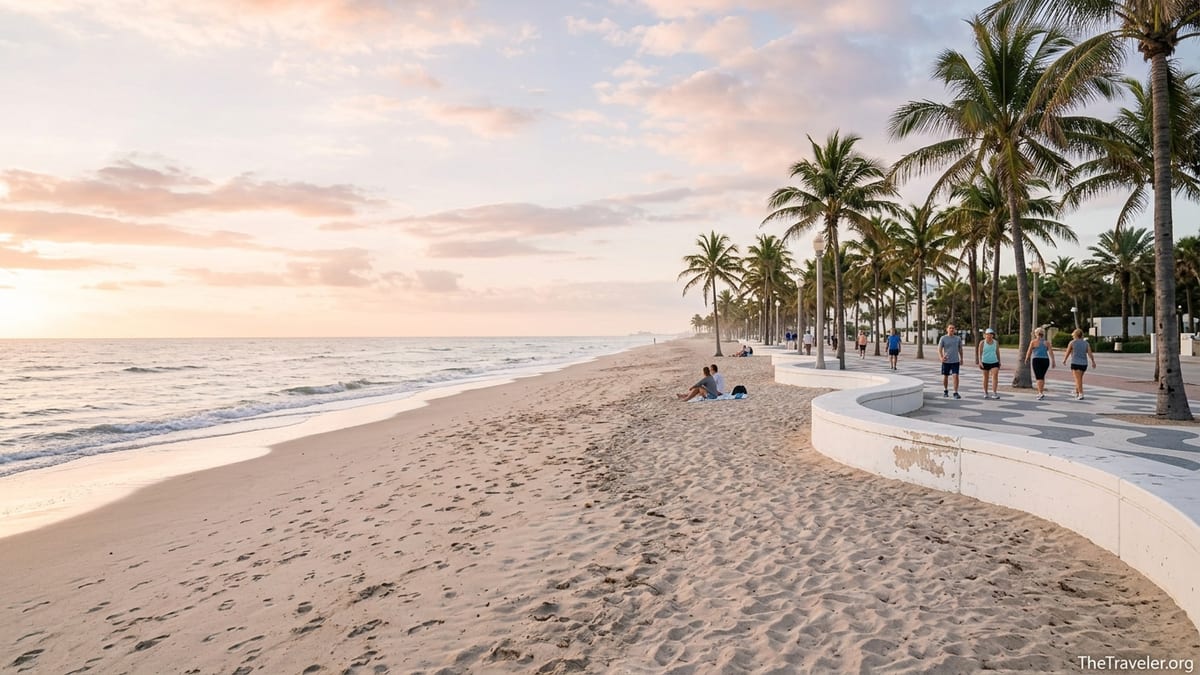
Understanding Fort Lauderdale Beach Park and Its Hours
Fort Lauderdale Beach Park sits at the southern end of the main beach strip near the 700 block of Seabreeze Boulevard. The beach itself is part of a three‑mile public shoreline supervised by Fort Lauderdale Ocean Rescue lifeguards during the day, while the grassy and paved park area operates under city parks and recreation rules. Official city listings describe the facility simply as Fort Lauderdale Beach and Park and highlight that there is no swimming after dark, which is the most important rule for trip planning.
The key distinction for visitors is that the sandy beach is physically accessible 24 hours a day, but park amenities and lifeguard protection follow specific schedules. Citywide parks rules are generally written around sunrise to sunset operations, especially for amenities like courts and playgrounds, while Ocean Rescue publishes clear daily lifeguard hours that vary seasonally. In spring and summer, lifeguard towers along Fort Lauderdale Beach are typically staffed from around 9:45 a.m. until 7 p.m., and in fall and winter coverage shifts to roughly 9:15 a.m. to 6 p.m. These hours define when you can swim with a guard on duty.
On a practical level, that means you can walk, sit on the sand, and enjoy the ocean breeze at dawn or after dark, but full “park experience” amenities such as guarded swimming and active courts are daytime activities. Travelers arriving on early flights often come directly from Fort Lauderdale–Hollywood International Airport to watch sunrise from the park, while night owls use the area for a quiet walk after dinner on nearby Seabreeze Boulevard or Las Olas Boulevard. Both are allowed, as long as you respect the no‑swimming‑after‑dark rule and any posted signs.
Sunrise Visits: What Opens When
One of the biggest draws of Fort Lauderdale Beach Park is sunrise over the Atlantic. In winter, the sun can rise shortly after 7 a.m.; in summer it is often just after 6:30 a.m. Many locals arrive even earlier to claim a spot on the sand for quiet reflection, sunrise yoga or jogging. At this hour, the beach is usually unguarded and the park is in low‑activity mode. You can expect the parking lot pay stations to function, but not every facility around you will yet be open.
Public restrooms at Fort Lauderdale Beach Park are tied to daytime park use. The city does not publish minute‑by‑minute restroom hours, but in practice they tend to open in the early morning, often around the same time maintenance crews begin their day. If you arrive before 6 a.m., especially in the off‑season, be prepared for the possibility that restrooms may still be locked. Travelers staying in hotels on Seabreeze Boulevard often plan their first restroom stop at the hotel lobby, then head across to the park once the sun is closer to coming up.
Because lifeguards usually start at around 9:15 to 9:45 a.m. depending on the time of year, sunrise swimmers will not have professional supervision. The city’s beach rules stress that ocean conditions can change quickly, and Ocean Rescue statistics show that most incidents occur in unguarded zones. For a pre‑work ocean dip in calmer conditions, regulars often time their visit to begin closer to lifeguard start time instead of at first light. If you still choose to enter the water early, accept that you are doing so at your own risk, stay very close to shore, avoid swimming alone, and continuously assess surf and current conditions.
Food and drink options near the park also come online gradually. Large beachfront hotels and nearby cafes on Seabreeze Boulevard and the south end of A1A typically begin serving breakfast from around 7 a.m., while food trucks and beach vendors appear closer to mid‑morning. For a smooth sunrise experience, many visitors bring a thermos of coffee from their accommodation and simple snacks from a nearby supermarket the night before, rather than counting on buying breakfast right at dawn.
Daytime Facilities: Restrooms, Showers, Courts and Picnic Areas
Fort Lauderdale Beach Park is more developed than many stretches of the city’s shoreline. In addition to direct beach access, you will find a large paved parking area, public restrooms, outdoor showers, a playground, beach volleyball courts and open green space that families use for picnics and casual games. These amenities are what distinguish it from just pulling over along A1A and accessing the sand from a roadside parking space.
Restrooms and outdoor showers are the most practically important facilities for visitors spending a full or half day at the beach. They are particularly valuable for cruise passengers killing time before a late afternoon flight and for families who need quick bathroom access with children. In general, restrooms at Fort Lauderdale Beach Park operate during standard park hours, opening early in the morning and closing in the evening. While exact times can shift with staffing and maintenance, it is reasonable to expect them to be available throughout the lifeguard coverage window and into the early evening. Travelers who plan to stay late on the sand often use these restrooms to change out of wet swimwear around sunset before heading to dinner nearby.
The park’s courts and playground see peak use from mid‑morning through late afternoon. It is common to see locals set up informal volleyball matches, with players arriving around 9 or 10 a.m. Weekend mornings often bring family picnics under the palms on the grassy areas, especially in winter when temperatures are more moderate. Since this is a public city park, facilities are generally first‑come, first‑served, and there is no entrance fee beyond hourly parking. Bringing your own balls, beach chairs and shade is still recommended, as equipment rentals are scattered along the larger beach strip and may not always be stationed directly in the park.
Nearby, the Fort Lauderdale Aquatic Center, just north along Seabreeze Boulevard, operates with its own detailed schedule for lap swimming and lessons. During summer 2026, for example, the complex lists lap swim blocks in the morning and limited evening hours, with certain dates blacked out for major swim and diving competitions. While it is a separate facility, it illustrates how aquatic amenities in this part of the city tend to concentrate their usable hours in the daytime and early evening, not at night.
Swimming Rules, Lifeguard Hours and No‑Swimming‑After‑Dark
For all of Fort Lauderdale’s beachfront parks, including Fort Lauderdale Beach Park, the single most important safety rule is that there is no swimming after dark. The city’s beach regulations make this explicit, and the facility directory for Fort Lauderdale Beach and Park highlights “No swimming after dark” as a core rule alongside others such as no glass and no alcohol. This does not mean you must leave the beach when the sun sets, but it does mean you are expected to stay out of the ocean once light is gone or visibility is too low for lifeguards to monitor conditions effectively.
During daylight hours, Ocean Rescue lifeguards provide continuous coverage along roughly three miles of beach, including the stretch in front of Fort Lauderdale Beach Park. According to the city’s Ocean Rescue information, lifeguard towers are staffed every day of the year, with schedules that typically run from around 9:45 a.m. to 7 p.m. in the spring and summer and from around 9:15 a.m. to 6 p.m. in the fall and winter. Visitors are strongly encouraged to swim only when these towers are staffed and to stay within view of a lifeguard. Conditions such as rip currents, sudden drop‑offs and shifting sandbars can be difficult for casual swimmers to recognize.
On the sand, you will see colored flags posted on or near lifeguard towers to indicate surf and hazard conditions. Green flags signal low hazard and relatively calm conditions where normal caution is still required. Yellow flags mean moderate surf or currents and are common on breezy days; extra care is recommended, particularly for children or weaker swimmers. Red flags indicate very hazardous conditions where strong currents or heavy surf make swimming risky, and double red flags mean the water is closed to the public. A purple flag can be flown alongside others when marine pests like jellyfish or sea lice are present. Checking these flags as you arrive is as important as checking the weather report.
It is worth stressing that swimming outside lifeguard hours, even before full darkness, is effectively similar to swimming at an unpatrolled beach. While technically daylight, the lack of a professional observer significantly increases risk. For instance, a late‑day swimmer at 7:30 p.m. in midsummer may perceive plenty of light but could be in the water without a guard nearby and in fading visibility. Locals who know the beach well often time their last swim of the day to end at least 15 to 30 minutes before tower closing and then stay on the sand to enjoy the evening.
Evening Walks, Nighttime Use and When Facilities Stop Being Useful
As the sun goes down, Fort Lauderdale Beach Park gradually shifts from active beach day hub to a quieter backdrop for evening walks, jogs and post‑dinner strolls. Many visitors head to nearby restaurants along Seabreeze Boulevard or Las Olas Boulevard, then cross back to the beach to walk off their meal or listen to the waves. This type of use is fully compatible with city rules, provided you do not enter the water after dark and respect any posted closing times for specific park features.
From a practical standpoint, however, certain facilities become less useful as evening turns into night. Restrooms may close earlier than the physical park space, especially on quieter weeknights outside the main tourist season. Outdoor showers may be turned off to conserve water or to allow for overnight maintenance. When planning an after‑dark visit, assume that you will have limited access to these amenities. A common example is families who stay for sunset photos and begin packing up soon after; they will typically use the restrooms and showers before the last light fades, then change into dry clothes and head into town for dinner.
Parking rules are also a consideration in the evening. City information on beach parking makes clear that most meters and pay‑by‑plate spaces near the shore remain in effect into the evening rather than becoming free after a certain hour. At the popular Las Olas Beach Parking Garage just north of the park, recent user reports indicate rates of a little over 4 dollars per hour or a flat 20 dollars on event days. At Fort Lauderdale Beach Park’s surface lot, you can expect comparable hourly pricing using either pay stations or mobile apps. If you plan to arrive for an evening walk around 7 p.m. and stay two hours, budgeting around 8 to 10 dollars for parking is prudent.
Lighting along the promenade adjacent to the beach is generally good, and the area between Fort Lauderdale Beach Park and central beach hotels is usually well patrolled. Still, by late night, especially outside peak season and on weeknights, the park can feel relatively quiet. Travelers who are unfamiliar with the city often choose to time their evening beach walks between sunset and about 10 p.m., after which they shift back to the brighter commercial streets or their accommodations.
Safety Tips for Different Times of Day
Safety at Fort Lauderdale Beach Park depends heavily on the time of day you visit. In the early morning, the primary considerations are unguarded water and limited facilities. If you are heading out for sunrise, tell someone where you are going, stay on well‑lit routes from your hotel or parking area, and keep valuables to a minimum. Photographers arriving before first light often travel in pairs and stick to the main park access paths rather than cutting through darker side streets.
During daytime hours, the main risks shift to sun exposure, dehydration and ocean hazards. South Florida sun can be intense even in winter, and UV levels around midday are particularly high. Travelers should bring high‑SPF reef‑safe sunscreen, reapply every couple of hours, and make use of hats, rash guards or umbrellas. Buying a basic beach umbrella from a nearby discount store for around 20 to 30 dollars can be more economical than renting chairs and shade by the hour if your group is spending several days on the sand. Staying hydrated is equally important; bottled water at beachfront kiosks can be expensive, so many repeat visitors bring a refillable bottle and pick up a bulk pack of water from a supermarket.
In the ocean, always swim within sight of a lifeguard tower during staffed hours, obey flag warnings, and avoid mixing alcohol with swimming. Parents should treat the lifeguard as an extra layer of safety, not a substitute for direct supervision. For example, if your children are playing in knee‑deep water in front of the park playground, designate one adult to remain within arm’s reach even when the tower is staffed. When waves are stronger than usual or a yellow or red flag is flying, err on the side of letting less confident swimmers remain in the shallows or play at the water’s edge.
In the evening, general urban awareness becomes more important than surf conditions. Stick to well‑lit areas, keep cameras and phones secure, and avoid leaving bags unattended on the sand while you walk. If you plan to picnic at sunset on the grassy park area, choose a spot closer to the promenade and nearby hotels rather than a very isolated corner. Rideshare pickups are usually easiest along Seabreeze Boulevard or at nearby hotel entrances; if you have parked in the dedicated lot, walk back as a group when possible, particularly after 9 or 10 p.m.
Making the Most of Facilities: When They Are Actually Useful
Because facilities at Fort Lauderdale Beach Park are concentrated around daytime use, timing is everything if you want to get the most out of them. For restrooms, showers and changing areas, the most reliable window is roughly mid‑morning through late afternoon. For example, a family planning a full beach day might aim to arrive around 9:30 or 10 a.m., use the restrooms to change, enjoy the guarded water and playground through midday, then rinse off in the outdoor showers and change again around 4:30 or 5 p.m. before heading back to their hotel. This schedule aligns with lifeguard coverage and typical maintenance routines.
Similarly, the picnic tables and grills, where available, are most practical during daylight hours when you can clearly see what you are doing and when the park is more active. Many locals will pick up a box of pastries and coffee in the morning, claim a table under the palms, and then alternate between the sand and the grassy area. In the late afternoon, groups celebrating birthdays or small gatherings often arrive with coolers of soft drinks and prepared food, being careful to avoid glass containers in accordance with park rules.
For visitors whose priority is exercise rather than lounging, the park’s location at the southern end of the main beachfront promenade is ideal. A popular routine is to park at Fort Lauderdale Beach Park in the late afternoon, walk or jog north along the brick promenade toward central Fort Lauderdale Beach or Hugh Taylor Birch State Park, then return before dark. In this scenario, the showers and restrooms are particularly valuable when you finish your workout and want to freshen up before getting back in your car or returning to your hotel. After dark, when some facilities may be closed and the promenade is quieter, most runners and walkers choose more central, busier sections of the beach instead.
If your schedule only allows for early morning or late evening visits, plan as if you were going to a more basic, undeveloped beach. Bring water, snacks, and perhaps wet wipes for basic cleanup in case restrooms are closed. For those staying nearby, consider using hotel facilities for changing and showering and treating the park’s amenities as a bonus rather than a guarantee during off‑peak hours.
The Takeaway
Fort Lauderdale Beach Park offers one of the city’s most convenient blends of sandy shoreline and practical amenities, but its usefulness depends greatly on when you visit. The beach and park are physically accessible around the clock, yet lifeguards, restrooms, showers and courts are overwhelmingly daytime resources. Lifeguard coverage runs roughly from mid‑morning through early evening, and local rules explicitly prohibit swimming after dark, even though you may still sit on the sand or stroll along the waterline.
For sunrise visits, expect a beautiful view but limited facilities and no guarded swimming. For a classic full beach day with easy bathroom access, playground time and safe swimming under lifeguard supervision, mid‑morning to late afternoon is ideal. Evening walks and post‑dinner visits to the park are popular and allowed, but they are for relaxing on the sand and enjoying the breeze, not for entering the ocean. By understanding how hours, facilities and safety rules fit together, you can plan your time at Fort Lauderdale Beach Park to match your priorities while keeping your visit safe, comfortable and stress‑free.
FAQ
Q1. What are the typical hours for Fort Lauderdale Beach Park?
The beach itself is accessible at all hours, but practical use centers on daylight. Lifeguards generally operate from mid‑morning to early evening, and facilities like restrooms and showers tend to follow similar daytime schedules rather than staying open late at night.
Q2. Can I swim at Fort Lauderdale Beach Park before sunrise or after dark?
No. City rules specify no swimming after dark, and early‑morning swimming before lifeguards start is unguarded and strongly discouraged. You may sit on the sand or walk along the shore at those times, but entering the water in very low light is unsafe.
Q3. When are lifeguards on duty at Fort Lauderdale Beach Park?
Fort Lauderdale Ocean Rescue typically staffs towers daily, with hours around 9:45 a.m. to 7 p.m. in spring and summer and around 9:15 a.m. to 6 p.m. in fall and winter. Exact times can vary slightly with season and daylight, so check the latest schedule or ask a lifeguard on site.
Q4. Are public restrooms open 24 hours a day?
No. Restrooms at Fort Lauderdale Beach Park operate during normal park hours and are generally open throughout the day when the beach is busiest. They may not be available very early in the morning or late at night, so plan accordingly if you visit at off‑peak times.
Q5. Is it safe to visit the park for sunrise?
Yes, many people visit for sunrise, but you should treat it as an unguarded, low‑amenity time. Stay on well‑lit routes, avoid swimming, keep valuables to a minimum, and be aware that some facilities, including restrooms, may not yet be open.
Q6. Can I walk on the beach at night if I am not swimming?
Yes. Walking or sitting on the sand after dark is allowed, provided you respect posted rules and stay out of the water. Many visitors enjoy evening strolls after dinner, but should remain aware of their surroundings and stick to well‑lit areas.
Q7. How does parking work in the evening at Fort Lauderdale Beach Park?
Parking near the beach typically remains paid into the evening through meters, pay‑by‑plate machines or mobile apps. You should not assume parking becomes free after a certain hour. Budget for several dollars per hour and always read posted signs in the specific lot or street where you park.
Q8. Are there showers and changing facilities at the park?
Yes. Fort Lauderdale Beach Park has outdoor showers and restrooms that many visitors use for changing clothes. These are most reliable during the day and early evening. If you plan to stay after dark, try to rinse off and change before sunset in case facilities close.
Q9. What do the colored flags on the beach mean?
Flags indicate ocean conditions. Green means relatively low hazard, yellow signals moderate conditions and the need for extra caution, red warns of very hazardous surf or currents, double red closes the water to swimming, and purple indicates marine pests such as jellyfish may be present.
Q10. Is Fort Lauderdale Beach Park a good choice for families with children?
Yes. The combination of lifeguard‑protected swimming during the day, restrooms, showers, a playground and nearby food options makes it very family‑friendly. Families should still watch children closely, use sun protection, and plan their visit for daytime hours when all facilities are open and lifeguards are on duty.