


More news on this day
Hundreds of U.S. travelers experienced major disruptions at Fort Lauderdale–Hollywood International Airport on April 13, as publicly available tracking data showed 149 delays and 13 cancellations affecting carriers including Spirit Airlines, Sun Country Airlines, Air Canada and Avianca on busy routes to Newark, Dallas, San Antonio, Tampa and other destinations.
Get the latest news straight to your inbox!
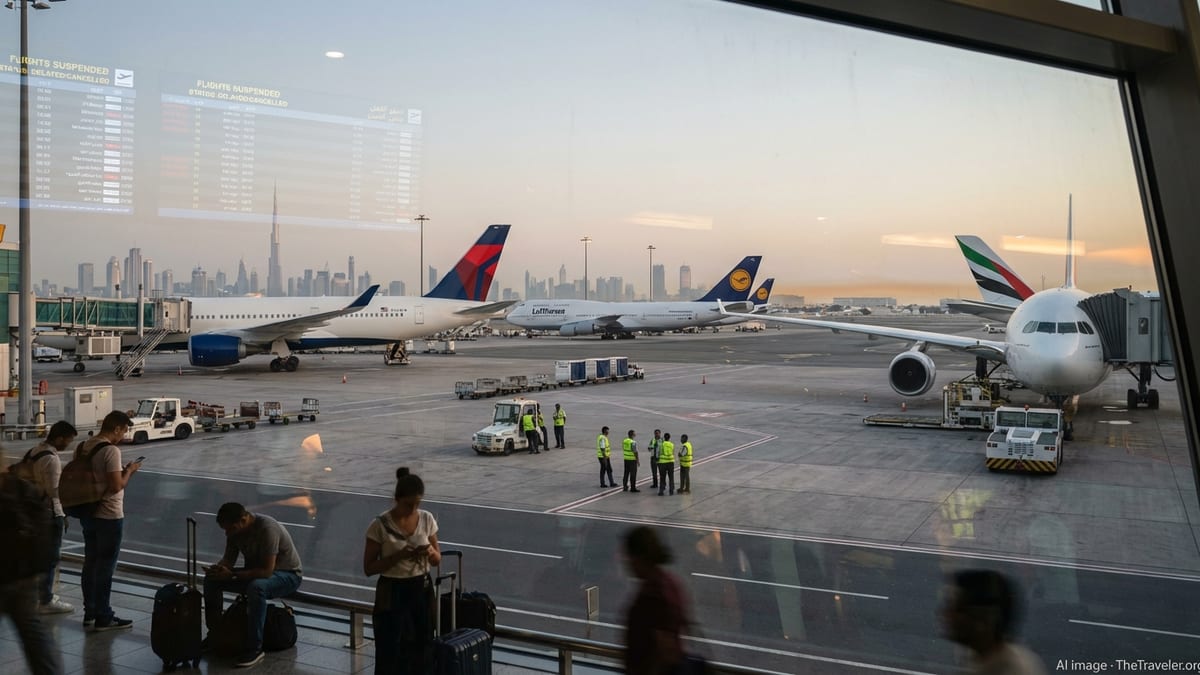
Spring Disruptions Hit Fort Lauderdale Flights
The latest issues at Fort Lauderdale come amid a broader spell of spring travel turbulence across the United States, where multiple hubs have recently reported elevated delay and cancellation levels. Aggregated flight-status reports for mid-April point to a pattern of relatively modest cancellation totals paired with heavy delays, creating long queues at gates and customer service counters even when flights ultimately depart.
At Fort Lauderdale–Hollywood International, the 149 delayed flights cited in current tracking snapshots significantly outnumber the 13 outright cancellations, suggesting that many travelers faced prolonged waits, missed connections and schedule changes rather than complete loss of service. For leisure travelers heading to or from South Florida, the disruptions arrived at the height of a busy spring period, with full aircraft and limited spare seats available on alternative departures.
Flight-status boards for April 13 show that while some operations continued on time, departure banks through the middle of the day appeared particularly strained. Late-arriving inbound aircraft, crew repositioning challenges and residual congestion from earlier national weather and routing issues all contributed to a rolling impact that extended into the afternoon and evening wave of flights.
The imbalance between delays and cancellations also means that knock-on effects are likely to persist beyond the original day of disruption. Late-night arrivals into Fort Lauderdale and other hubs can push morning departures behind schedule, forcing airlines to adjust aircraft rotations and crew pairings in the following 24 to 48 hours.
Spirit and Ultra-Low-Cost Carriers Bear the Brunt
Publicly available information shows Spirit Airlines once again at the center of the Fort Lauderdale disruption, consistent with recent national data that has highlighted the carrier’s vulnerability to schedule pressure. As one of the dominant airlines at Fort Lauderdale–Hollywood International, Spirit operates an extensive network of point-to-point routes that can quickly feel the impact of delays at a single hub.
Sun Country Airlines, Air Canada and Avianca also appear in the latest disruption tallies, though on a smaller scale than Spirit given their more limited footprint at the airport. Each of these carriers connects Fort Lauderdale to distinct markets, from Canadian cities served by Air Canada to Latin American destinations in Avianca’s route map, meaning schedule issues at a single Florida airport can resonate across multiple countries.
Industry coverage over the past several weeks has noted that low-cost and ultra-low-cost carriers often run tighter utilization of aircraft and crews, leaving less slack in the system when irregular operations occur. When storms, congestion or airspace constraints ripple through major hubs such as Newark or Dallas–Fort Worth, aircraft and crews that cycle through Fort Lauderdale can quickly fall behind schedule.
Travel and aviation reports also indicate that Fort Lauderdale’s role as a major base for budget airlines magnifies the visibility of any disruption. Even a relatively small number of cancellations, concentrated among a few high-density leisure routes, can translate into long lines and crowded terminal areas as passengers search for limited rebooking options.
Key Routes Affected: Newark, Dallas, San Antonio, Tampa and More
Route-level snapshots for April 13 indicate that flights linking Fort Lauderdale with several major domestic markets were among those affected. Newark Liberty International Airport, already experiencing elevated delays in recent national reports, featured prominently, with passengers on northbound and southbound services encountering rolling time changes and, in some cases, cancellations.
Connections to Texas were also hit, particularly services touching Dallas and San Antonio. Delays into large hub airports such as Dallas–Fort Worth can cascade through airlines’ connecting banks, affecting travelers bound for secondary cities beyond Texas who rely on Fort Lauderdale flights to make onward connections.
Tampa, another busy Florida market, appeared among the disrupted routes as well. Although the distance between Fort Lauderdale and Tampa is relatively short, delays on intra-Florida sectors can still pose problems for travelers planning cruise departures, road trips or tight onward connections out of alternative airports.
Alongside these headline routes, regional and international links were affected where aircraft and crews were scheduled to rotate through Fort Lauderdale as part of longer duty days. This includes some services into the Northeast, Midwest and Caribbean, where a delayed departure from South Florida can upend schedules for the remainder of the operating day.
Part of a Wider Pattern of U.S. Flight Stress
The issues at Fort Lauderdale form part of a wider pattern of U.S. flight disruptions tied to spring weather systems, crowded schedules and ongoing operational strains. Recent compilations of flight activity for early and mid-April show thousands of delays nationwide, with major hubs such as Chicago O’Hare, Atlanta, Newark, Los Angeles and Dallas reporting triple-digit delay counts over several days.
While Fort Lauderdale is not among the very largest connecting hubs, its role as a key leisure gateway means that even a moderate disruption can strand vacationers at the start or end of their trips. The airport’s mix of domestic services and international links to Canada, Central America and South America increases the likelihood of missed long-haul connections when departures run late.
Analysts quoted in public aviation coverage have pointed to the combination of high load factors, tight turn times and limited spare aircraft as factors that leave U.S. airlines with little buffer during peak seasons. When severe weather or airspace restrictions strike one region, repercussions can quickly reach secondary airports such as Fort Lauderdale, even if local conditions remain relatively calm.
Recent tracking summaries also highlight that delays are often more disruptive for travelers than cancellations alone, particularly when information about revised departure times changes frequently. A series of rolling 30 or 60 minute delays can keep passengers in limbo and complicate decisions about rebooking, accommodations and ground transport arrangements.
What Travelers Can Expect in the Coming Days
Based on current patterns, travelers using Fort Lauderdale–Hollywood International in the next several days may continue to feel residual effects, even if the number of same-day cancellations remains limited. Aircraft and crew repositioning can take time to stabilize, especially for airlines with dense schedules and limited standby resources.
Passenger-rights organizations and consumer advocates commonly recommend close monitoring of airline apps and airport departure boards during periods of irregular operations. For travelers on routes that have already experienced delays or cancellations, publicly available guidance suggests considering earlier departures, avoiding tight connections and remaining flexible about routing options when possible.
Airlines typically respond to disruption clusters by adjusting schedules, temporarily reducing frequencies on select routes or consolidating lightly booked flights to free aircraft for recovery. Observable changes in timetables over the coming weeks may therefore reflect efforts to build more resilience into peak travel days from Fort Lauderdale and other affected hubs.
For now, the latest data from April 13 underscores how a mix of 149 delays and 13 cancellations at a single Florida airport can ripple far beyond Broward County, affecting travelers bound for Newark, Dallas, San Antonio, Tampa and a wide network of domestic and international destinations.