


More news on this day
A major road improvement project in Franklin County begins today, bringing new traffic patterns, lane reductions, and detours that are expected to affect thousands of daily drivers across the region.
Get the latest news straight to your inbox!
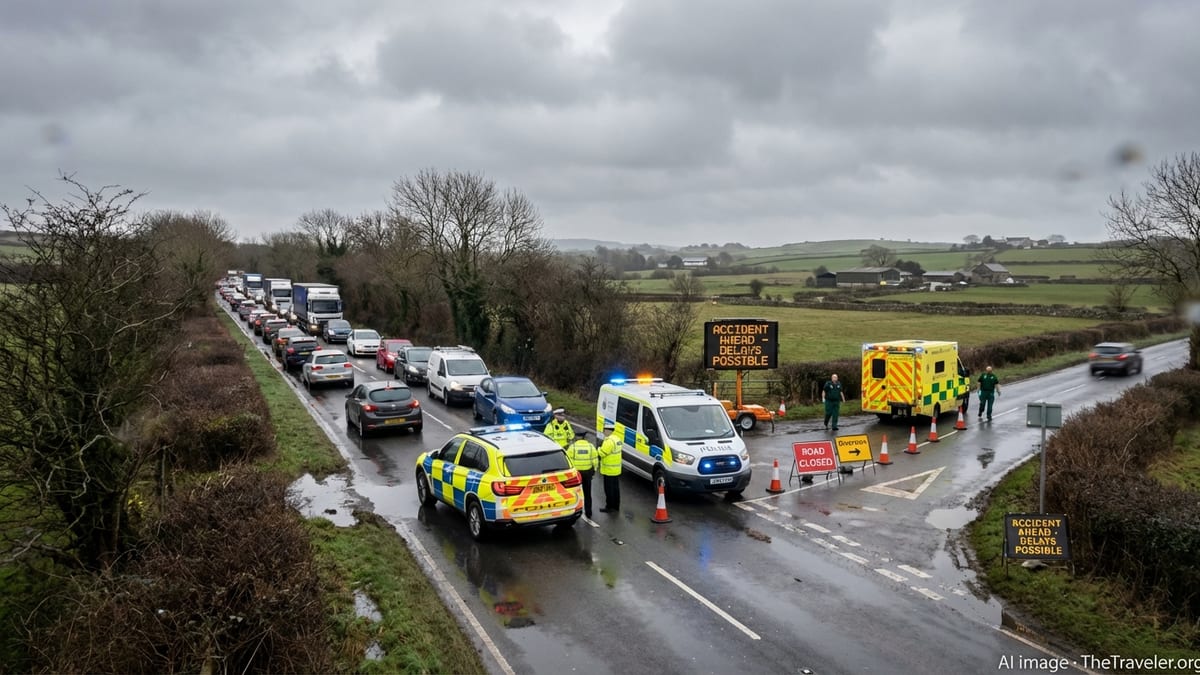
Where the Work Is Happening
Publicly available planning documents and recent construction notices indicate that the latest phase of Franklin County’s road work focuses on a busy commuter corridor that links residential neighborhoods with key employment and shopping areas. The project area includes several intersections that routinely experience congestion during the morning and evening rush, as well as stretches that have been flagged for pavement deterioration and safety concerns.
Transportation project summaries show that this phase is part of a broader multi‑year effort to modernize county routes, improve connectivity between local communities, and support recent residential and commercial growth. In practical terms, that means a mix of resurfacing, intersection upgrades, utility work, and safety improvements being carried out along a concentrated section of roadway rather than isolated spot repairs.
Maps shared in recent public materials suggest that work will be staged in segments so crews can focus on defined blocks at a time while maintaining at least some level of access for local traffic. However, drivers who rely on the corridor to move between suburban areas and major regional routes should anticipate that portions of the road will feel like an active construction zone for much of the project period.
Nearby side streets and alternate corridors are also expected to see higher volumes as drivers seek to bypass delays, which may spread the impact beyond the immediate work zone and into adjoining neighborhoods.
Timeline, Work Hours, and What to Expect This Week
According to recent construction advisories, today marks the official start of field work for the new phase, with crews mobilizing equipment, placing traffic control devices, and beginning initial pavement and utility activities. Early work typically includes saw‑cutting, installation of temporary striping, and setting up protective barriers, all of which can create short but frequent slowdowns as lanes are shifted or briefly blocked.
Current notices indicate that most activities will occur during daytime hours on weekdays, with work generally scheduled to begin after the early morning commute and continue through the afternoon. In some locations, evening or overnight work may be scheduled later in the project to reduce impacts at the busiest intersections or where full closures are needed for short durations.
For drivers, the most noticeable change in the first week will be the new traffic pattern. Lanes may be narrowed, shoulders removed, and turn lanes temporarily shortened or shifted as crews carve out a protected work area. Even when workers are not present, lower speed limits are likely to remain in effect within the construction zone around the clock, and enforcement is often stepped up for safety reasons.
As the project moves beyond setup into heavier construction, residents can expect intermittent noise from heavy equipment, dust during dry weather, and the periodic use of flaggers or temporary signals to control alternating one‑way traffic in localized areas.
Traffic Impacts, Detours, and Transit Changes
Published construction guidance for similar projects in Franklin County and nearby jurisdictions indicates that drivers should plan for slower travel times through the corridor, particularly during the morning and late‑afternoon peaks. Single‑lane closures in each direction, temporary loss of shoulders, and the potential for short full closures during critical operations all contribute to congestion.
Detour plans typically route longer‑distance through traffic onto nearby state or U.S. highways, while preserving local access for residents and businesses along the project route. Drivers are encouraged in official advisories to follow signed detours instead of cutting through residential side streets, which can quickly become congested and raise safety concerns for pedestrians and cyclists.
Publicly available transit information suggests that any bus routes using the affected corridor may see temporary stop relocations or schedule adjustments while work is underway. Riders are often urged to check the latest service updates before traveling, allow extra time for transfers, and be prepared for stop changes near intersections where construction is most intense.
For people who bike or walk, construction stages can temporarily close sidewalks, crosswalks, and roadside paths. Project plans for recent Franklin County improvements emphasize maintaining at least one safe pedestrian route where possible, but individuals traveling on foot or by bicycle should be prepared for signed detours and extra caution around driveways and side streets.
Project Goals and Long‑Term Benefits
Recent capital improvement plans and county transportation reports frame this Franklin County road project as an investment in both safety and capacity. The corridor has been identified in past traffic studies as carrying higher volumes than it was originally designed for, with above‑average crash rates at some intersections and limited infrastructure for people who are not driving.
The work beginning today is expected to address several of those concerns by improving pavement conditions, upgrading drainage, and refining intersection layouts to reduce conflict points between turning and through‑traffic. In some segments, the design also calls for enhanced facilities for pedestrians and cyclists, such as new or wider sidewalks, improved crossings, and potentially expanded shoulders or shared‑use paths.
County transportation plans point to anticipated benefits that include smoother traffic flow, fewer vehicle breakdowns related to poor pavement, and a safer environment for people accessing nearby schools, parks, and commercial centers. Once construction is complete, the upgraded corridor is expected to be better aligned with current and projected traffic volumes, which could help reduce daily delays and support continued economic growth in surrounding communities.
Officials have also emphasized in previous planning documents that consolidating multiple types of work into a single coordinated project is intended to limit the frequency of future disruptions, even if it means a more intensive construction period in the short term.
How Residents Can Stay Informed and Plan Ahead
Residents who travel through the project area regularly are being encouraged in public notices and local coverage to build extra time into their trips starting today, especially during the first several days as drivers adjust to the new configuration. Commuters may want to test alternate routes, coordinate carpools, or shift departure times to avoid the worst congestion where possible.
County and municipal transportation agencies typically share updates on construction progress, lane shifts, and upcoming closures through a combination of public meeting materials, project webpages, and community alerts. Local news outlets and regional traffic services often supplement those updates with on‑the‑ground reports once major changes in the work zone occur.
Businesses within and near the construction area may adjust delivery schedules and customer access points while work is underway. Shoppers and clients are advised in many recent advisories for similar projects to watch for temporary signage directing vehicles to open driveways and parking areas, and to respect “local traffic only” limitations on certain side streets.
As the Franklin County road project advances in the coming weeks, more detailed information about upcoming milestones, such as major paving days or intersection closures, is expected to emerge through the usual public channels. For now, transportation planners are signaling that anyone who depends on this corridor should prepare for a new normal in their daily drive starting today.