


More news on this day
A freight train derailed along Aylett Road in Howard County, Arkansas, on Monday morning, disrupting road access, damaging track infrastructure and prompting a multi‑agency response as crews began clearing railcars and assessing the site.
Get the latest news straight to your inbox!
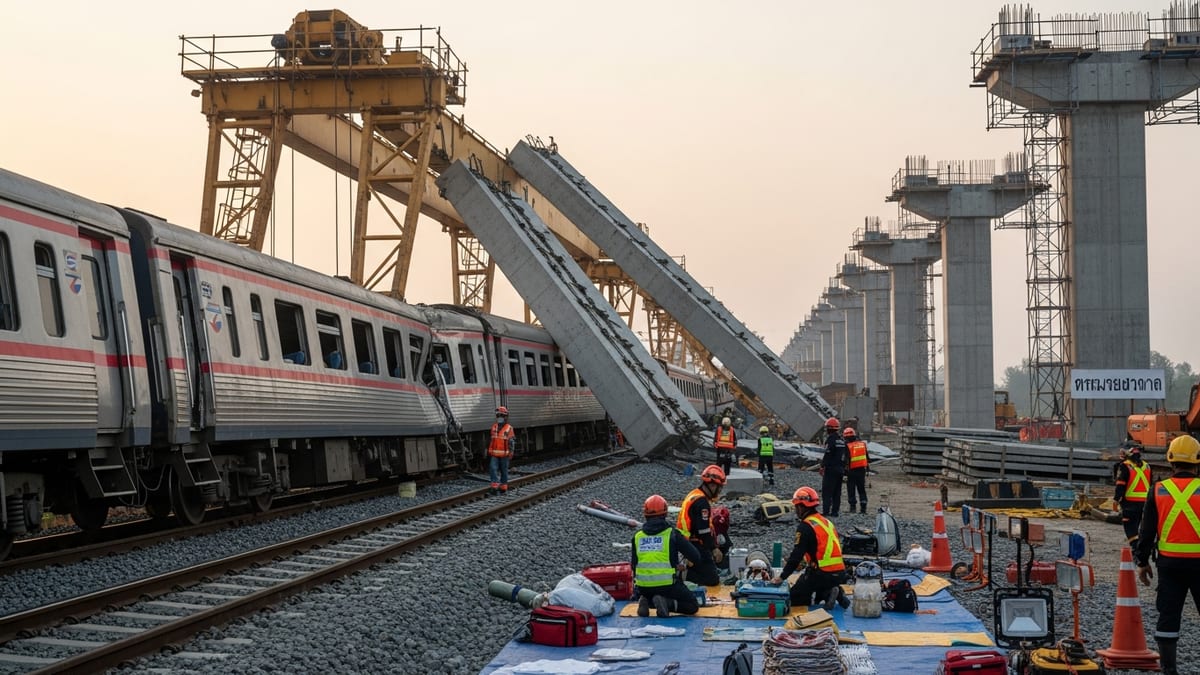
Location and scale of the derailment
Publicly available information indicates that the derailment occurred near the railroad crossing on Aylett Road, a rural corridor in Howard County used by local traffic and agricultural vehicles. Early descriptions from local outlets describe several railcars leaving the tracks and coming to rest near the right of way, forcing a closure of the immediate area while responders evaluated the scene.
Initial coverage from regional media describes a freight consist moving through the county when a portion of the train derailed, scattering debris and ballast along the line. The incident took place in a lightly populated area, which limited direct impacts to homes and businesses but created a significant obstacle for drivers who rely on Aylett Road as a connector route.
Reports indicate that rail operations through the area were halted in the aftermath of the derailment while inspectors examined track conditions and the position of the damaged cars. The affected line is used primarily for freight traffic, and any extended closure is expected to require detours for trains that normally transit this segment.
Impact on traffic and local community
According to published coverage, Aylett Road was temporarily closed near the rail crossing so emergency crews and railroad personnel could safely access the derailment site. Drivers were directed to alternate routes, adding time to local commutes and complicating movements for farm and commercial vehicles that depend on the crossing.
Residents in the surrounding area reported seeing increased emergency traffic and heavy equipment moving toward the rail line as recovery work began. While the incident occurred away from town centers, the closure of a key rural route underscored how closely road and rail networks intersect in many parts of Howard County.
No injuries had been reported in the early information released publicly, and there were no immediate indications of evacuations. Even without direct property damage, the disruption to everyday travel and the visible presence of derailed cars have drawn attention to rail safety in the region.
Cargo, environmental risk and safety checks
Regional reporting so far has not identified any release of hazardous materials from the train involved in the Aylett Road derailment. Available descriptions suggest that the consist was carrying standard freight, and there were no immediate notices of air or water contamination in the area.
As with other modern derailments, the response has focused on confirming the contents of each affected car, checking for leaks and ensuring that fuel from locomotives is contained. Environmental assessments are a routine part of such incidents, even when early observations show no obvious spill, and crews typically remain on site until any risk of runoff or fire is ruled out.
Rail inspectors are expected to examine the track structure, ballast, and nearby rail hardware to determine whether infrastructure conditions, equipment issues, or operational factors may have contributed to the derailment. Those findings are generally compiled over time and released through official accident summaries once the investigation phase is complete.
Recovery operations and restoration of service
Reports indicate that heavy equipment, including cranes and specialized rail vehicles, were brought in to re‑rail or remove damaged freight cars and clear the right of way. This process typically begins only after safety checks confirm that all cars are stable and that no hazardous cargo is at risk of release.
Crews are expected to remove debris, replace damaged sections of rail or ties, and realign the track before trains can resume using the corridor. Depending on the extent of the damage, this work can last from several hours to multiple days, with engineers performing follow‑up inspections before the line reopens to regular freight movements.
Local coverage notes that road access on Aylett Road will remain restricted near the crossing until railcars are removed and the work zone can be reduced. Once major recovery tasks are completed, transportation agencies typically reevaluate traffic control in the area to restore normal flows while rail maintenance continues.
Broader discussion on rail safety in rural corridors
The derailment on Aylett Road comes amid ongoing national discussion about freight rail safety in both urban and rural communities. Incidents involving freight trains can be disruptive even when they occur far from dense populations, particularly when road crossings or key connectors are blocked by derailed equipment.
Public records and recent analyses highlight that smaller counties often depend on a limited number of crossings and two‑lane roads, making each incident more consequential for daily life. When a train blocks a road such as Aylett Road, school transportation, emergency response times, and access to services can all be affected.
Transportation safety advocates frequently point to derailments like the one in Howard County as reminders of the need for continued investment in track maintenance, crossing upgrades, and monitoring technology. As investigators examine the circumstances surrounding this incident, residents and travelers in the area will be watching for updates on both the cause and the steps taken to reduce the risk of similar disruptions in the future.