


More news on this day
Repair crews and rail inspectors are working along a rural stretch of track near the Laurens and Greenwood County lines in South Carolina after 17 freight cars derailed early Monday, disrupting a key rail corridor and prompting a regional response from fire and emergency teams.
Get the latest news straight to your inbox!
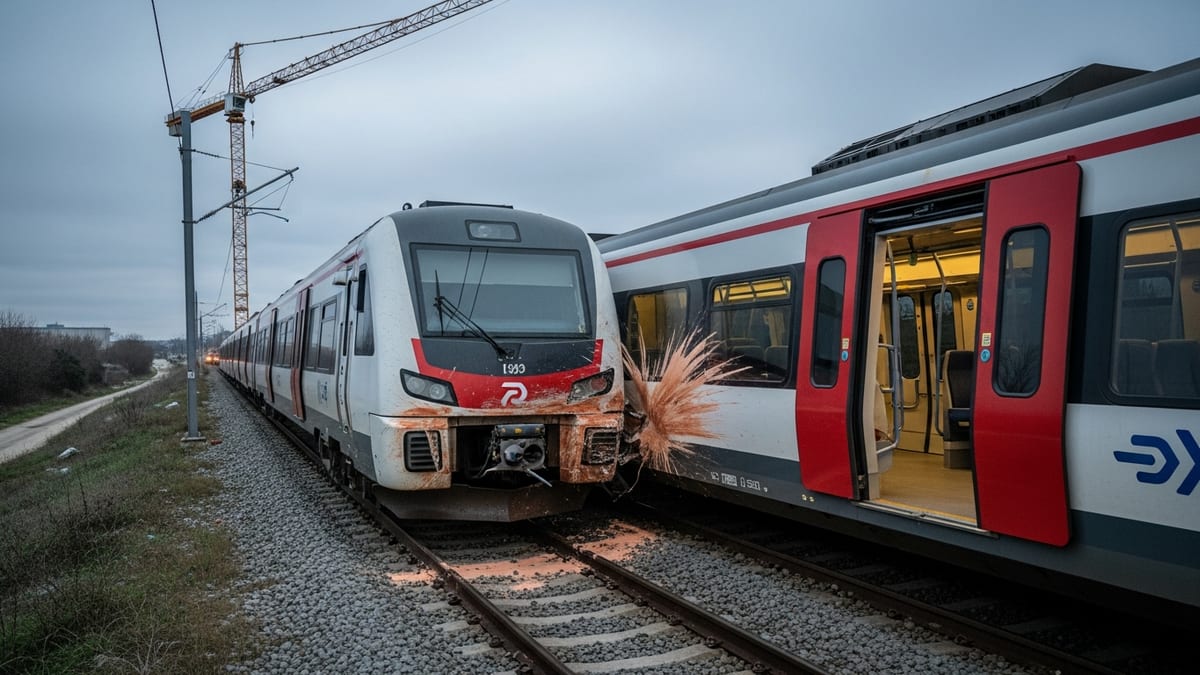
Derailment Near County Line Disrupts Freight Route
Published coverage indicates the derailment occurred shortly after dawn near Whitten Road in Laurens County, close to the Greenwood County border. A lengthy freight consist left the rails, with multiple cars coming off the track in an area characterized by mixed woodland, farms, and access roads serving small communities.
Initial reports described around 17 rail cars derailing, with images from the scene showing cars leaning at sharp angles and several fully off the track bed. The affected line is understood to be a freight corridor used regularly for through traffic, connecting industrial centers with distribution hubs elsewhere in the Southeast.
While detailed cause analyses typically take weeks or months, early information points to a low-speed incident confined to the right of way. No major secondary impacts such as structural bridge failures or roadway collapses have been widely reported, which has allowed rail personnel and contractors to focus quickly on rerailing, clearing, and track repairs.
Regional emergency alerts and local dispatch summaries note that fire services from Laurens County coordinated with neighboring agencies after the incident, staging equipment along nearby roads to secure the site while rail specialists began their assessments.
Repair Crews Focus on Track, Ballast and Equipment Removal
Railroad recovery teams typically prioritize clearing upright cars, removing damaged rolling stock, and restoring the integrity of the track structure. In this case, published accounts suggest that heavy cranes, sidebooms, and specialized engineering vehicles were brought in to lift derailed cars back onto the rails or onto flatbed trucks for removal.
Once the cars are moved, crews generally replace damaged rail, joint bars, ties, and fasteners before rebuilding the underlying ballast. In rural South Carolina, where warm summer temperatures and periodic heavy rain can stress rail infrastructure, attention often turns to ensuring proper drainage and stabilizing the subgrade so that later freight movements do not encounter soft spots or washouts.
Publicly available information about the response near the Laurens and Greenwood County line indicates that the work is being carried out on a compact footprint along the existing right of way. That approach limits long-term impacts on surrounding fields, timber areas, and access tracks that local residents and landowners rely on for daily travel.
After initial repairs, railroads usually conduct geometry checks and slow-speed test runs before opening a line to regular traffic. Until those checks are complete, speed restrictions or temporary closures remain standard practice, which can affect routing decisions for freight operators across the region.
Limited Environmental Impact but Ongoing Monitoring
In the aftermath of any derailment, particular attention turns to the type of cargo involved and the risk to nearby waterways. Regional media and county notices have not widely described significant hazardous material releases from the Laurens area incident. That absence of reported spills is especially important given the proximity of Lake Greenwood and its tributaries, which are major recreational and ecological assets for both Laurens and Greenwood counties.
Information shared through county channels indicates that local agencies are continuing to monitor conditions around the derailment zone, including drainage ditches and small streams that eventually feed into larger water bodies. In previous rail incidents elsewhere in the United States, even minor fuel or oil releases from locomotives have prompted precautionary cleanups and soil testing, a pattern likely to be followed here if any contamination is detected.
Because the affected area sits near a county boundary, coordination between Laurens and Greenwood officials on emergency management, road access, and potential resource sharing remains an important part of the ongoing response. Publicly available guidance encourages residents and visitors to follow local advisories regarding any temporary closures or staging areas around the right of way.
For travelers who use nearby lakes, campgrounds, and public recreation sites, current information suggests that broader tourism infrastructure has not been significantly affected. However, periodic movement of heavy equipment and trucks linked to the rail repairs may be noticeable on some rural roads in the short term.
Travel and Tourism Impacts in the Laurens-Greenwood Corridor
The Laurens and Greenwood County line region hosts a mix of small towns, agritourism destinations, and outdoor recreation spots, many of which draw visitors from Greenville, Columbia, and neighboring states. While the derailment occurred in a relatively remote section of track, it intersects with routes used by anglers, boaters, and travelers heading toward Lake Greenwood and nearby parks.
Available traffic updates and local coverage suggest that no major state highways were directly blocked by the incident. Instead, short-term disruptions have been concentrated on minor roads used for emergency staging and equipment access. Drivers in the area may still encounter lane restrictions or brief delays as heavy machinery continues to move to and from the site.
For travelers planning day trips or weekend stays, the primary impact has been the visual presence of work crews, rail cars, and support vehicles rather than long-term closures of attractions. Lodging, marinas, and dining services around the lake and in nearby towns such as Laurens and Greenwood appear to be operating on normal schedules, based on recent public updates and business communications.
Nonetheless, visitors are advised to allow extra travel time on rural approaches and to remain alert for temporary signage indicating work zones or detours. Rail recoveries of this scale often require several days of sustained activity, even when the main line is reopened relatively quickly for limited freight movements.
Broader Rail Safety Context and Next Steps
The derailment near the Laurens-Greenwood line adds to a national pattern of freight train incidents that have brought renewed attention to track maintenance, train handling, and the movement of hazardous materials. Federal databases and recent safety reviews highlight issues such as heat-related rail stress, aging infrastructure, and the need for continuous inspection on busy freight corridors.
In South Carolina and across the Southeast, freight rail remains critical for moving industrial goods, agricultural products, and consumer commodities. Events like the Laurens County derailment can cause ripple effects in logistics networks, prompting short-term reroutes and schedule adjustments that affect warehouses, factories, and ports well beyond the immediate scene.
According to publicly accessible safety records, railroads typically submit detailed incident reports after derailments, outlining train length, cargo composition, track conditions, and any contributing mechanical or human factors. Those reports inform both company-level corrective actions and broader policy discussions about inspection regimes, technology adoption, and crew training.
For communities along the Laurens and Greenwood County line, the coming weeks are likely to focus on final site restoration, ongoing environmental monitoring, and the gradual return of routine freight movements past farms, homes, and recreation areas. As repairs progress and investigations move forward, the corridor will remain a focal point in local conversations about infrastructure resilience and the balance between economic connectivity and safety.