


More news on this day
British travellers heading to Spain this summer are being urged to review safety guidance as fresh alerts highlight extreme heat, rising accident risks and the prospect of longer queues at busy airports and on key road routes.
Get the latest news straight to your inbox!
UK reminder focuses on heat and water safety
New guidance highlighted in Spanish and British media on 27 June points to a renewed focus on how Britons behave in Spain’s intense early-summer heat. Coverage in regional outlets indicates that the UK government has reiterated advice for tourists in response to a cluster of recent drownings and heat-related incidents in popular resorts.
The reminder underlines the need for constant supervision of children in hotel pools and at the beach, warning that some Spanish coastal areas, particularly around the islands, can have powerful undercurrents even when the sea appears calm. Travellers are being encouraged to keep young children within arm’s reach in and around water, regardless of swimming ability or the presence of lifeguards.
Reports also draw attention to the combined risks of high temperatures, alcohol and fatigue. Publicly available information emphasises that dehydration, sunstroke and poor judgment around water and roads are more likely when visitors underestimate Mediterranean heat, particularly during the first days of their holiday.
With Spain remaining one of the top foreign destinations for UK tourists this summer, travel analysts suggest that large numbers of families will be exposed to these conditions over the peak weeks from late June through August.
Heatwave alerts expand across mainland Spain and islands
Spanish meteorological data shows that large parts of the country have been experiencing the first significant heatwave of the season from around 21 June, with temperatures widely climbing above seasonal norms. The State Meteorological Agency’s warning maps have highlighted elevated temperatures in inland regions and around parts of the Mediterranean and Balearic Islands.
Spain’s national civil-protection service has also issued communications advising residents and visitors to take extra care during the hottest hours of the day, especially in the peninsula’s interior and in archipelagos where heat and humidity can combine. These notices call for limiting strenuous outdoor activity in peak afternoon hours, drinking water frequently and paying special attention to older people, children and those with pre-existing health conditions.
Travel and tourism observers note that the rise in temperature coincides with a surge in British arrivals, as schools in parts of the UK begin to break up and early-season package holidays peak. Resorts in Andalusia, the Costa Blanca, Catalonia and the Balearic Islands are all reporting very strong bookings, increasing the number of people exposed to the conditions.
Health agencies in Spain routinely activate summer heat plans, but this year’s early episode has revived discussion about how well tourists absorb safety messages compared with residents who are more familiar with local alert systems.
Airport queues and border checks add to travel pressures
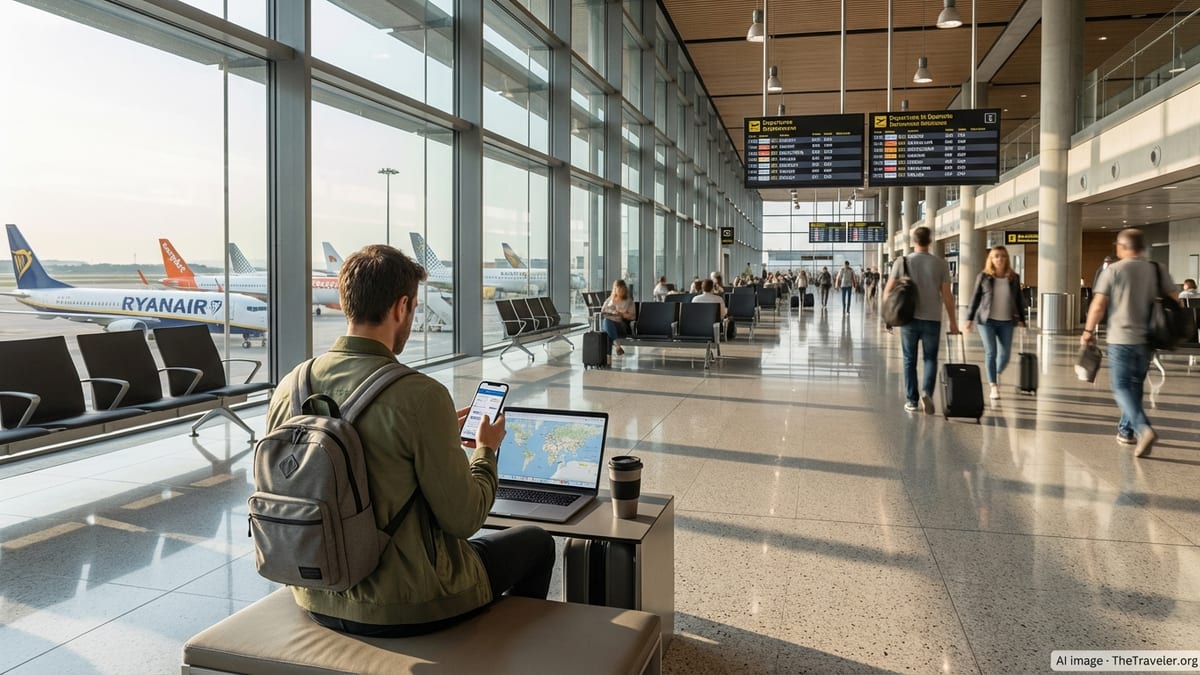
Beyond weather-related risks, Britons are also being warned to prepare for possible long waits at airports serving Spain and other European destinations. Airline-industry briefings in June flagged that travellers from non-EU countries, including the UK, could face queues of several hours at busy border checkpoints as new electronic entry and exit procedures continue to roll out across the Schengen area.
Industry bodies report that biometric registration and systematic passport checks have lengthened processing times at peak periods, with some Spanish holiday airports such as Alicante and Lanzarote cited among locations where summer congestion may be most visible. The potential for six-hour waits was raised in recent coverage based on sector assessments of worst-case scenarios.
Airlines and travel organisations are advising passengers to arrive early for outbound and return flights, allowing extra time for check-in, security and border control. Tour operators are also recommending that travellers keep itineraries flexible on arrival days, avoiding tight onward connections or same-day activities that could be disrupted by delays.
Analysts suggest that while not every airport or travel day will see severe queues, the combination of higher passenger numbers, new systems and seasonal storms affecting flight schedules could create flashpoints throughout July and August.
Road congestion and wildfire risk on key holiday routes
On the ground, Spain’s traffic authorities have outlined a series of peak summer weekends in 2026 when motorway congestion is expected to be at its worst, including the final days of June and several mid- and late-July and August dates. These operations typically involve stepped-up monitoring on main corridors linking Madrid with the coasts, and on access roads to major resort belts along the Mediterranean and in the south.
Forecasts indicate that millions of journeys will be concentrated into a handful of departure and return weekends, raising the likelihood of long tailbacks near coastal cities and around major junctions. For British holidaymakers collecting hire cars at airports such as Málaga, Alicante or Barcelona, this can translate into lengthy delays leaving or re-entering resort areas.
At the same time, Spain’s interior and emergency services have issued seasonal alerts about an elevated risk of wildfires in parts of the peninsula and the Balearic Islands, where high temperatures and dry vegetation create challenging conditions. Public information campaigns are urging both residents and visitors to avoid any activities that could trigger fires and to follow local restrictions on barbecues, rural driving and access to certain forested zones.
Travel commentators note that road closures or diversions caused by wildfire incidents can further complicate journeys during busy periods, particularly in rural or mountainous areas that are popular for day trips from coastal resorts.
What Britons should do before and during their trip
Travel experts recommend that Britons bound for Spain this summer check official foreign-travel advice and Spanish regional updates in the days before departure, paying attention to any changes in weather warnings, local regulations and transport conditions. Insurance policies should be reviewed to ensure adequate medical and cancellation cover, particularly in light of potential disruption linked to heat, storms or overcrowded infrastructure.
On arrival, visitors are being encouraged to adapt quickly to local conditions by avoiding the midday sun, staying hydrated, seeking shade and moderating alcohol intake, especially during the first 48 hours when the body is still adjusting. Choosing accommodation with effective cooling and noting the location of medical facilities and lifeguard stations can also improve safety.
Families are advised to agree simple rules for pool and beach use, such as designated supervision duties for adults, clear limits on how far children can venture into the sea and regular breaks from the sun. Drivers, meanwhile, are urged to plan routes in advance, allow extra time for jams on major routes and never leave children or animals in parked vehicles, even for short periods.
Analysts stress that Spain remains a hugely popular and welcoming destination for UK tourists, but the latest warnings underline how quickly summer conditions can become hazardous when basic precautions are overlooked. For many Britons, small adjustments in planning and behaviour may make the difference between a stressful journey and a safe, enjoyable holiday.