


More news on this day
Recreation and transportation routines across parts of the United States are facing disruption this week, as an invasion of Canada geese forces the closure of a popular community pool and a separate freight train derailment triggers rail delays and safety reviews.
Get the latest news straight to your inbox!
Geese Turn Community Pool Into Unwanted Wildlife Haven
Local television segment WSAZ+ is drawing attention to an unusual summer closure at a widely used public pool, where a flock of Canada geese has effectively taken over the deck and shallow end. Video shared in recent coverage shows birds congregating on ladders and coping stones, leaving droppings across concrete and shallow ledges, and making normal swim operations impossible. Publicly available information indicates that maintenance crews have been forced to halt open swim periods while they focus on intensive cleaning and wildlife control.
The situation highlights how quickly urban wildlife can overwhelm recreational facilities. Canada geese are strongly attracted to manicured turf, open water and the absence of predators. Pool complexes with adjacent lawns or ponds provide exactly that mix of habitat, and biologists note that resident geese often become year-round fixtures in such environments when food and shelter remain consistent. Reports from regional wildlife agencies show resident Canada goose populations remain robust across many mid-Atlantic and Appalachian states.
Health and sanitation concerns are driving the closure as much as the nuisance factor. Geese can deposit large quantities of feces on hard surfaces, and when that waste enters pool water it can raise bacteria levels and strain filtration systems. Staff are reported to be conducting deep scrubbing of decks, increasing vacuuming cycles, and reviewing chemical treatment schedules before reopening the facility to swimmers.
Pool managers are also exploring deterrent measures that do not harm the birds but make the space less attractive. Commonly used tools in similar settings include temporary fencing at access points, visual scare devices, controlled use of trained herding dogs, and adjustments to surrounding landscaping to reduce open lawn that geese favor. Any long term plan must balance wildlife protections with the need to keep community facilities safe and accessible at the height of the summer swim season.
Managing Canada Geese In High Use Recreation Areas
The pool takeover is part of a larger pattern of conflicts between resident Canada geese and heavily used public spaces such as parks, ballfields and shorelines. Wildlife management documents from several states describe steadily rising complaints over the past decade, especially in areas where nonmigratory flocks have become established. Golf courses and lakeside neighborhoods report similar challenges as birds foul walkways and concentrate near shorelines.
Experts who study goose behavior point out that summer is a particularly sensitive window. During their molt, typically in early to mid summer in many parts of the country, adult geese temporarily lose the ability to fly while new feathers grow in. This can lead flocks to spend extended periods at a single safe location with water access, precisely the conditions offered by many pools and small lakes embedded within neighborhoods.
Publicly available guidance from wildlife agencies generally emphasizes a layered approach for property managers confronting recurring goose issues. Nonlethal strategies such as habitat modification, hazing with dogs or noisemakers, and egg addling programs are often prioritized. More intensive methods, including roundups and relocation or controlled culls, may only be considered under specific regulatory frameworks and typically require permits.
For swimmers and nearby residents, the visible problem is immediate: closed gates and "pool closed" signs at a time of year when heat and humidity are peaking. Yet the long term solution often lies in planning beyond a single season. Communities facing repeated closures may need to invest in reconfiguring shorelines, altering mowing regimes around water, or installing barriers that subtly shift geese to less sensitive areas without eliminating them entirely.
Freight Train Derailment Prompts Travel Disruptions And Safety Review
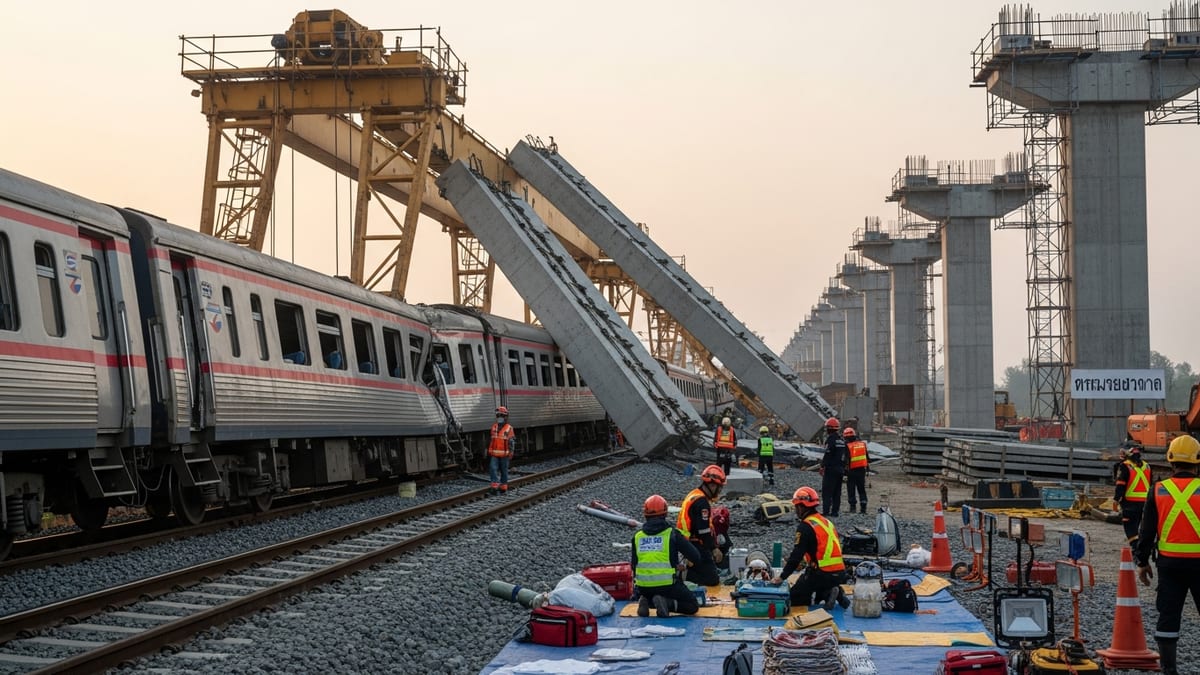
While geese are grounding pool plans, rail passengers and nearby communities are contending with the aftermath of a separate freight train derailment highlighted in recent WSAZ+ coverage. Initial reports describe multiple cars leaving the tracks along a key freight corridor, with some damage to rail infrastructure and temporary restrictions on nearby road or river traffic while crews respond.
Early accounts from transportation agencies and local news reports indicate that the derailment has caused delays for both freight movements and passenger services that share or connect to the affected line. In some instances, trains are being rerouted along secondary routes, resulting in longer travel times and crowded alternate services. Where track damage is concentrated, rail operators have reduced speeds and introduced schedule adjustments to allow for inspections and repairs.
Derailment investigations in the United States typically examine a broad set of potential factors, from rail wear and track conditions to equipment performance, speed, train handling and extreme weather. Recent federal data reviewed by transportation analysts show that rail remains one of the more efficient and comparatively safe modes for bulk freight, yet accident reports also underscore how a single derailment can have outsized impacts on communities and travel patterns, especially when hazardous materials are involved.
In this case, publicly available information as of this week points to a focus on clearing damaged cars, stabilizing the right of way, and restoring at least one track to limited service. Final findings on cause often follow weeks or months later, once investigators have compiled mechanical data, operator records and onsite measurements.
Passengers And Communities Navigate Ongoing Rail Uncertainty
Travelers in the affected rail region face a familiar set of challenges as repair work continues. Passenger rail users are being advised through operator updates and local media to check schedules frequently, anticipate last minute platform changes and build extra time into itineraries. Some corridors are operating with substitute bus services where track closures are more extensive, adding to journey times but keeping essential connections in place.
For communities along the derailment zone, the priority is returning to normal traffic patterns while monitoring any environmental follow up. Even when hazardous materials are not released, heavy machinery, cranes and work trains can block crossings and prompt detours for local drivers and emergency services. Residents near the site may experience increased noise and lighting during overnight repair windows as railroads try to compress the outage period.
Transportation planners note that this incident comes amid broader discussions about rail investment and resilience. Recent research on derailment risks points to the importance of track monitoring technologies, more frequent inspections in areas prone to heat related stress or heavy rainfall, and continued upgrades to tank car designs and braking systems. As freight volumes grow, particularly for energy and agricultural commodities, each derailment feeds into a larger national debate over how best to modernize aging infrastructure.
Even as the immediate focus remains on cleanup and schedule recovery, the events highlighted by WSAZ+ this week illustrate how interconnected local quality of life and the broader transportation network have become. A pool closed by geese and a line of stopped freight cars are very different scenes, yet both serve as reminders of the vulnerabilities in everyday systems that residents often take for granted.