

More news on this day
Brazilian low-cost carrier GOL Linhas Aéreas will enter the long-haul market this July with a new nonstop route between Rio de Janeiro and New York, a move officials on both sides say will strengthen tourism, business travel and trade ties between Brazil and the United States.
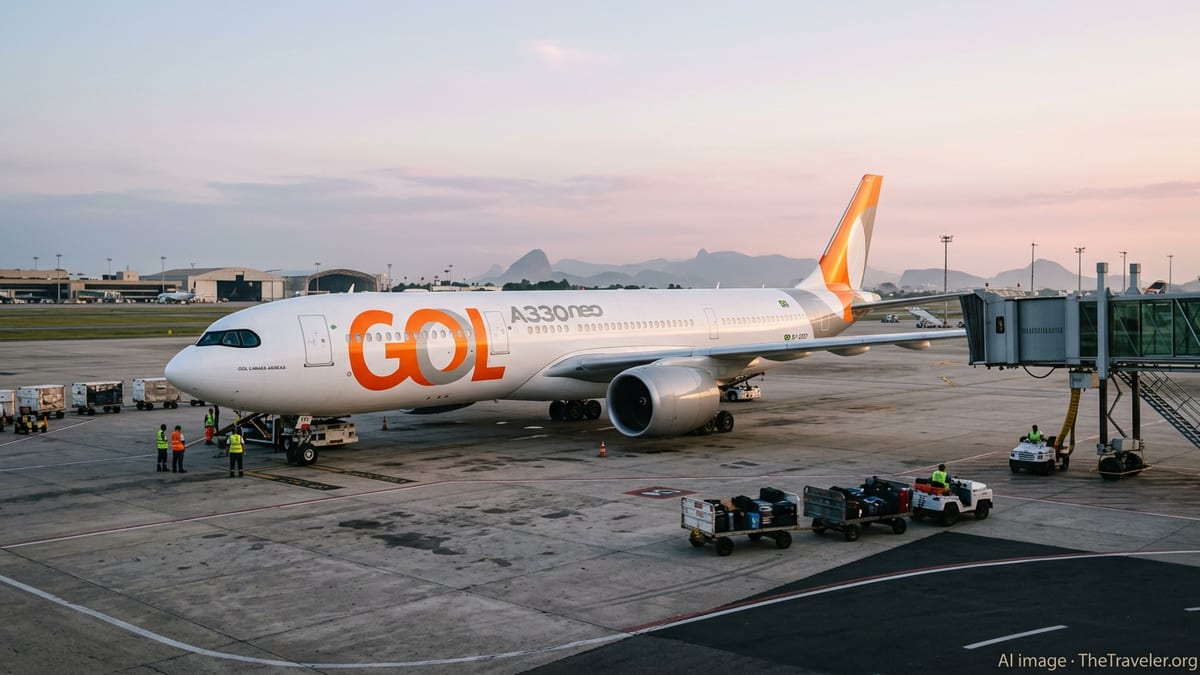
First Long-Haul Route Marks New Era for GOL
Announced on March 6 in Rio de Janeiro, the new service will connect RIOgaleão – Tom Jobim International Airport and New York’s John F. Kennedy International Airport, with flights scheduled to begin on July 8, 2026. The three-times-weekly operation will be GOL’s first true long-haul route, positioning the traditionally domestic and regional carrier as a new player in transcontinental travel between South and North America.
The launch follows GOL’s strategic decision to introduce widebody aircraft into its fleet, ending years in which the airline’s network was limited by the range of its Boeing 737 aircraft. The Rio–New York service will be operated by newly acquired Airbus A330-900neo aircraft, offering increased capacity, longer range and upgraded onboard comfort compared with GOL’s existing narrowbody jets.
Company executives describe the move as a turning point in GOL’s post-restructuring growth strategy, signaling a shift from a predominantly low-cost regional operator to a more diversified airline able to compete on key long-haul corridors. Aviation analysts say the route also reinforces Rio de Janeiro’s ambitions to regain international traffic lost in recent years to other Brazilian hubs.
RioGaleão Strengthened as an International Gateway
The new Rio–New York link is at the heart of a broader plan to designate RioGaleão as GOL’s principal hub for long-haul operations. Local authorities have been lobbying for more intercontinental flights to restore the airport’s role as a major gateway to Brazil, and the announcement comes in partnership with Rio’s City Hall and state tourism agencies.
Officials in Rio argue that the added connectivity will support efforts to disperse international visitors beyond São Paulo and other traditional entry points, encouraging longer stays and higher spending in the city and surrounding coastal regions. By anchoring its first long-haul flights at Galeão, GOL is expected to stimulate competition on fares and schedules while helping to rebalance traffic flows across Brazil’s main airports.
Airport operators are already preparing for the increased long-haul traffic, with investments in passenger facilities, security screening and connectivity to downtown Rio and the city’s beach districts. Tourism leaders say convenient nonstop access from New York, one of the most important outbound markets for Brazil, will make it easier to attract higher-yield leisure and corporate travelers.
Boost to Tourism Between Brazil and the United States
Tourism boards in both countries are positioning the new service as a fresh opportunity to grow visitor numbers in the wake of the pandemic and Brazil’s recent economic recovery. For American travelers, a direct Rio–New York route operated by a Brazilian carrier adds new choice on a corridor currently served primarily by U.S. and other foreign airlines, potentially lowering prices and increasing schedule flexibility.
The timing of the launch, in the middle of the Southern Hemisphere winter but ahead of peak North American holiday travel, is expected to capture growing interest in Brazilian cultural and nature destinations. Industry groups note that Rio’s global profile, driven by Carnival, beach tourism and major events, remains a strong draw, and simplified access from New York could encourage more first-time visitors to add Brazil to their travel plans.
Brazilian travelers, meanwhile, gain a new nonstop option to one of the world’s most important financial and tourism centers. The route is likely to appeal to both leisure passengers interested in shopping and entertainment in New York and business travelers with ties to the city’s financial, media and technology sectors.
Economic and Trade Implications Reach Beyond Tourism
Beyond tourism, the new connection is expected to support broader economic ties between Brazil and the United States, which already maintain a strong bilateral trade relationship. Direct air service traditionally plays a key role in facilitating investment, corporate expansion and high-value trade, particularly in sectors such as energy, technology, finance and creative industries that require frequent executive travel.
Business groups in Rio de Janeiro say the nonstop flights could make the city more competitive in attracting conferences, conventions and multinational regional offices that require reliable access to North American markets. Improved connectivity with New York’s financial community may also benefit Brazilian firms seeking international capital, as well as U.S. investors assessing opportunities in Brazil’s infrastructure, renewable energy and consumer sectors.
The use of widebody aircraft on the route could open the door to expanded belly cargo capacity, creating more direct options for high-value and time-sensitive goods moving between the two countries. While GOL has not yet detailed its cargo strategy on the route, logistics companies are watching closely for potential new opportunities in e-commerce and express freight.
A New Competitor in the Brazil–U.S. Long-Haul Market
GOL’s entry into long-haul flying introduces fresh competition into an already busy Brazil–United States market that includes several global network carriers. By leveraging its low-cost roots and new-generation aircraft, the airline is expected to compete on price while still offering cabin features tailored to longer flights, including upgraded seating, in-flight entertainment and enhanced onboard service compared with its short-haul product.
Industry observers note that the success of the Rio–New York route will be closely watched as a test of GOL’s broader long-haul ambitions. The airline has signaled plans to use its new A330-900neos for additional intercontinental routes from Rio, with Paris and Lisbon already cited by company officials and local media as likely early destinations.
If the Rio–New York service performs strongly, it could encourage further capacity growth and additional U.S. routes in the coming years, deepening connectivity between Brazil and North America. For now, the announcement marks a significant milestone for GOL and a notable shift in the competitive landscape for transcontinental travel between the two largest economies in the Americas.