


More news on this day
Greece is sharpening its pitch to British holidaymakers, moving beyond its long-standing image as a sun-and-sea destination and highlighting authentic, year-round experiences that span gastronomy, culture, nature and local community life.
Get the latest news straight to your inbox!
Britain Remains a Strategic Market Amid Tourism Boom
Recent data highlight the importance of British travellers within Greece’s wider tourism surge. Bank of Greece figures for 2024 show that the country welcomed around 40.7 million international visitors, generating more than 21 billion euros in tourism revenue, with arrivals and takings both rising on the previous year. Within that growth, industry reports indicate that the United Kingdom has remained one of Greece’s top three source markets by arrivals and spending.
Analysis from the Greek tourism research body INSETE for 2023 shows that the United Kingdom ranked near the top in terms of visits, overnight stays and tourism receipts. British arrivals exceeded 4.8 million in that year, with spending estimated at well over 3 billion euros. These visitors are highly valuable to destinations such as Crete, the Dodecanese and the Ionian islands, where average expenditure per trip for British guests has been among the highest recorded in the market mix.
At the same time, UK statistics underline how strongly Greece competes for British outbound travel. Office for National Statistics data for 2023 indicate that Greece accounted for roughly 5 percent of all overseas trips made by UK residents, placing it just behind Spain, France and Italy. Parliamentary research published in 2024 notes that British residents are travelling abroad in record numbers, but that competition between Mediterranean destinations for this business is intensifying.
Tourism analysts in Greece argue that the days of relying on mass, low-cost summer packages are ending. With visitor numbers already at or near record highs, reports from banks, hotel groups and international organisations suggest that the policy focus is shifting from sheer volume to higher value, longer stays and more diverse experiences, particularly for high-spending segments such as the British market.
From Package Holidays to Immersive Local Experiences
Industry and policy documents point to a deliberate shift in how Greece presents itself to British audiences. Rather than emphasising only beaches and nightlife, promotional campaigns and destination strategies increasingly highlight village life, local crafts, agritourism and lesser-known islands and mainland regions. White papers produced with major hotel groups describe a move toward “multidimensional” tourism that connects visitors with food producers, wine estates, hiking routes and cultural workshops.
This repositioning aligns with wider trends in the British travel market. Research published by VisitBritain shows that many UK travellers now choose destinations based on the activities and experiences available, from gastronomy to heritage and nature. Half of inbound visitors surveyed by the agency, and an even larger share of domestic travellers, selected their destination primarily for a specific experiential activity. Greek tourism planners see an opportunity to respond to this shift by curating more immersive stays that go beyond the typical week-long beach break.
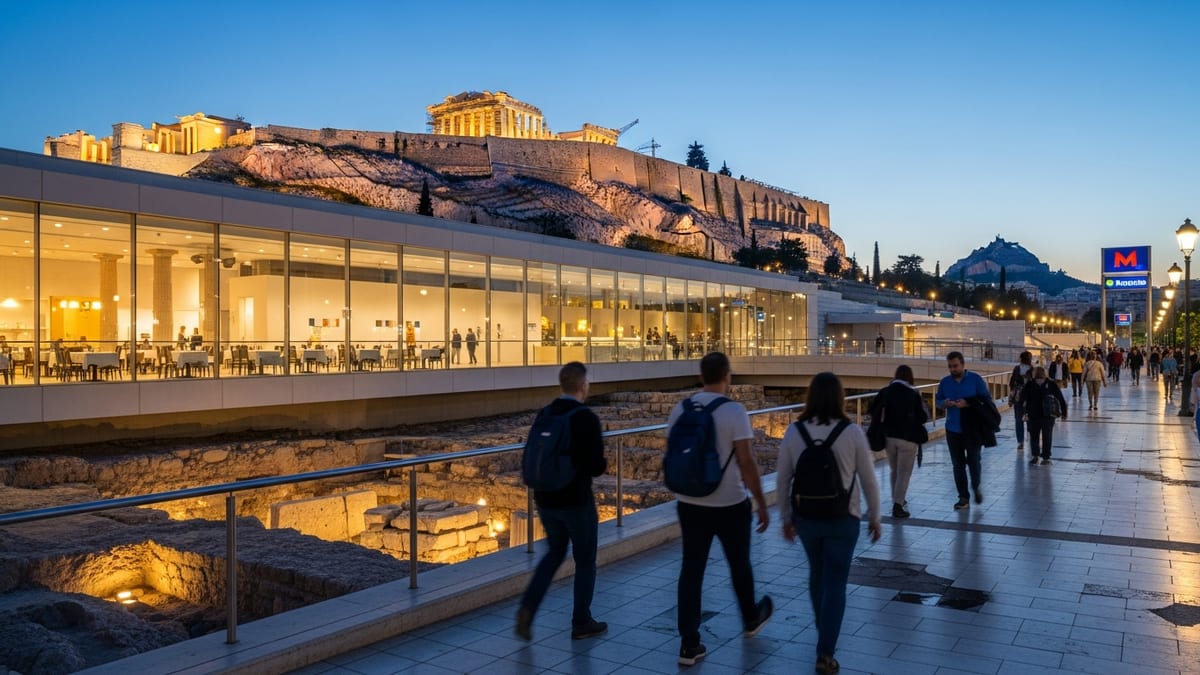
Examples highlighted in recent Greek and European tourism reports include farm stays in the Peloponnese, wine routes in northern Greece and experiential city breaks in Athens and Thessaloniki that combine museums and archaeological sites with neighbourhood food tours and contemporary culture. Island regions are also promoting inland villages, monasteries and walking trails as complements to coastal resorts, encouraging British visitors to spend more time and money away from the busiest seafront strips.
Tourism economists note that such products tend to generate higher per-capita revenue and spread benefits to a broader base of local businesses. Small-scale accommodation providers, tavernas, guides and artisans in inland and rural areas stand to benefit when trips are structured around authentic encounters with place and community rather than only resort-based services.
Year-Round and Mainland Tourism Gain Priority
Another pillar of Greece’s evolving strategy for the British market is the push for season and geographic diversification. International assessments of Greek tourism policy, including recent editions of the OECD’s Tourism Trends and Policies, emphasise efforts to support year-round tourism and to draw visitors beyond a handful of saturated island destinations. National action plans refer to improving access and marketing for mountain regions, spa towns, religious sites and lesser-known coastal areas on the mainland.
For British travellers, this can translate into winter city breaks in Athens linked with archaeological excursions, spring hiking in Epirus or the Pelion peninsula, and autumn food and wine trips in regions such as Central Macedonia and Western Greece. Reports from Greek banks and tourism research institutes suggest that out-of-peak travel not only eases pressure on infrastructure and the environment during the hottest months but also delivers steadier income for local communities.
Infrastructure upgrades play a role in this repositioning. Publicly available information from Greek authorities highlights ongoing investments in regional airports, road connections and port facilities, many supported by European funds, which make it easier to connect British travellers to secondary cities and rural areas. Tour operators are responding by expanding itineraries to include places that once saw few international package tourists.
Analysts argue that mainland and off-season tourism also align more closely with the expectations of British visitors looking for authentic experiences. Outside the peak summer period, travellers are more likely to encounter everyday local life, participate in seasonal food traditions and explore natural landscapes without heavy crowding, trends that are increasingly emphasised in destination marketing directed at the UK.
Sustainability and Overtourism Concerns Shape Policy
The rapid growth in arrivals has sharpened debate about sustainability in Greece’s major tourist hotspots. Academic studies and policy papers point to pressures on housing, water resources and public space in popular islands and historic centres, as well as the social strains associated with very high visitor densities. British media coverage has highlighted crowding on some islands and in Athens at the height of summer, prompting questions about how long the traditional mass-tourism model can endure.
In response, Greece has introduced regulatory changes and planning tools that seek to manage flows more actively. National legislation over recent years has established destination management and marketing organisations, encouraging coordinated planning at local and regional level. These bodies are tasked with balancing promotion with capacity management, environmental protection and resident quality of life. Pilot projects in some island municipalities have tested limits on short-term rentals and cruise traffic, alongside measures to encourage visitors toward alternative beaches, villages and time slots.
For British travellers, sustainability concerns are increasingly part of destination choice. Surveys of UK consumers by tourism bodies indicate that many consider environmental impact and crowding when deciding where to go, even if price and weather remain decisive factors. Greek destinations that demonstrate practical steps, such as better waste management, nature protection initiatives and heritage conservation programmes, are seen by analysts as well placed to attract conscientious visitors from the UK.
Reports from international hotel groups operating in Greece describe growing demand among British guests for properties that can demonstrate lower energy use, local sourcing and community engagement. This is reflected in the rise of boutique hotels and guesthouses that market their ties to local producers and traditions, often in areas seeking to diversify away from mass resort development.
Marketing Strategies Target British Tastes and Connectivity
Greece’s attempt to move beyond a narrow sun-and-sea brand is supported by more targeted promotion in the UK. Tourism marketing strategies published in recent years outline plans to tailor messaging to different British audience segments, from families seeking value and safety to younger travellers interested in culture, food and outdoor activities. Campaigns place increased emphasis on storytelling around authenticity, highlighting local festivals, traditional recipes, crafts and outdoor pursuits.
A key enabler of this strategy is air connectivity. Aviation and tourism reports show that British low-cost and leisure airlines have steadily expanded their Greek networks, offering direct links from regional UK airports to both established and emerging destinations. This has opened up islands and mainland areas that were previously harder to reach, making it easier to package shorter, experience-focused trips outside the high season.
Stakeholders also point to the role of digital platforms in promoting authentic Greek experiences to British audiences. Destination organisations and local entrepreneurs use social media and online booking tools to showcase farm-to-table experiences, vineyard tours, sailing and hiking routes, and neighbourhood-level cultural offerings. These channels allow smaller operators away from major resorts to reach UK travellers directly, complementing the work of large tour operators.
Tourism analysts expect that competition for British holidaymakers will remain intense across the Mediterranean, particularly as rival destinations promote their own experiential and sustainable offerings. However, with visitor numbers already at historic highs and British travellers firmly established as a core market, Greece’s move toward authentic, diversified tourism is seen as an attempt to protect its appeal while easing the strains of success on its most iconic locations.