


More news on this day
Greece is stepping up efforts to win over British travellers by spotlighting authentic, experience-led holidays that go far beyond its long-standing image of beaches, blue seas and summer package breaks.
Get the latest news straight to your inbox!
A Strategic Pivot in a Key Overseas Market
British visitors have long been among Greece’s most important tourism markets, with millions travelling each year for coastal resorts and island getaways. Recent campaigns and policy papers indicate that Greek tourism planners now see the United Kingdom as a testing ground for a broader repositioning of the country as a destination for culture, nature and immersive local experiences, not just summer sun.
Publicly available information from Greece’s tourism authorities and trade bodies highlights a shift in messaging towards “authentic” and “year-round” travel. Instead of focusing solely on beaches, new material promotes historic cities, mountainous interiors and everyday Greek life, from market visits to village festivals. For British travellers who increasingly seek meaning and value from holidays, this repositioning aims to align Greece with evolving expectations.
Recent data presented in Greek business and policy publications shows that tourism continues to underpin the national economy, with record visitor numbers in 2024 and strong demand for 2025. Against this backdrop, officials and industry groups are emphasizing the need to disperse visitors beyond traditional hotspots, reduce seasonal dependence and strengthen links with local communities, particularly in source markets such as the UK.
Campaigns Spotlight Authentic Greece to UK Audiences
Recent Greek National Tourism Organization initiatives targeting international markets highlight experiences that resonate strongly with British travellers, from gastronomy and wine routes to hiking, religious heritage and island life with a lighter environmental footprint. Campaign platforms promoted under themes such as “True Greece” and “Beyond the Blue” put local culture, slow travel and lesser-known destinations at the center of the story rather than beach imagery alone.
According to published coverage, the organization has been investing in digital-first campaigns and user-generated video content to reach British and other European travellers where they research trips. Short-form clips show visitors exploring neighbourhoods in Athens, walking historic trails in Epirus, joining olive harvests in the Peloponnese or discovering Dodecanese islands that previously received little international marketing attention.
Trade-focused briefings and participation in UK-based travel events also underline Greece’s intention to grow adventure and experiential tourism from Britain. Reports from a recent adventure travel networking workshop in London, for example, describe Greece presenting itself as a hub for hiking, cycling, sailing, diving and wellness, with an emphasis on trips that combine outdoor activity with cultural depth and contact with local communities.
Sustainability and Seasonality Drive New Product Mix
Policy reports from organisations such as the OECD and Greek industry institutes describe sustainability and seasonality as central challenges for the country’s tourism future. With visitor numbers at record levels and pressure mounting on popular islands, Greece is increasingly signaling to British and other European travellers that low-impact, off-peak and mainland-focused trips are both welcome and rewarding.
Official destination content now promotes eco-conscious itineraries that link urban breaks with rural escapes, encourage use of local produce and highlight initiatives such as vehicle-light islands or community projects addressing biodiversity and waste. For UK travellers, who face growing climate awareness and scrutiny of flight-heavy holidays, this framing positions Greece as a place where a trip can be both enjoyable and more responsible.
At the same time, national and regional strategies point to a clear goal of extending the season beyond the traditional July to August peak. Winter routes in Epirus, cultural weekends in Thessaloniki, city breaks in Athens and spring visits to wine regions are increasingly visible in English-language promotion materials. For British visitors used to city breaks in central Europe, Greece is being presented as a rival option combining museums, food culture and mild off-season weather.
Highlighting Lesser-Known Regions to Ease Pressure on Hotspots
Greek tourism studies and regional initiatives show a concerted effort to bring lesser-known areas into the international spotlight. Mainland regions such as Epirus, mountainous parts of the Peloponnese and smaller Aegean and Ionian islands feature more prominently in recent campaigns, frequently described in promotional material as “hidden gems” or “undiscovered Greece.”
For British travellers, this opens the door to itineraries that mix familiar names with new territory. Package and specialist operators selling into the UK increasingly promote combinations such as Athens with nearby wine and archaeological routes, or classic islands paired with quieter neighbours and village-based guesthouses. Public-facing content from platforms linked to the Greek tourism sector encourages longer stays, slower travel and more time inland, especially for repeat visitors who have already experienced marquee islands like Santorini or Mykonos.
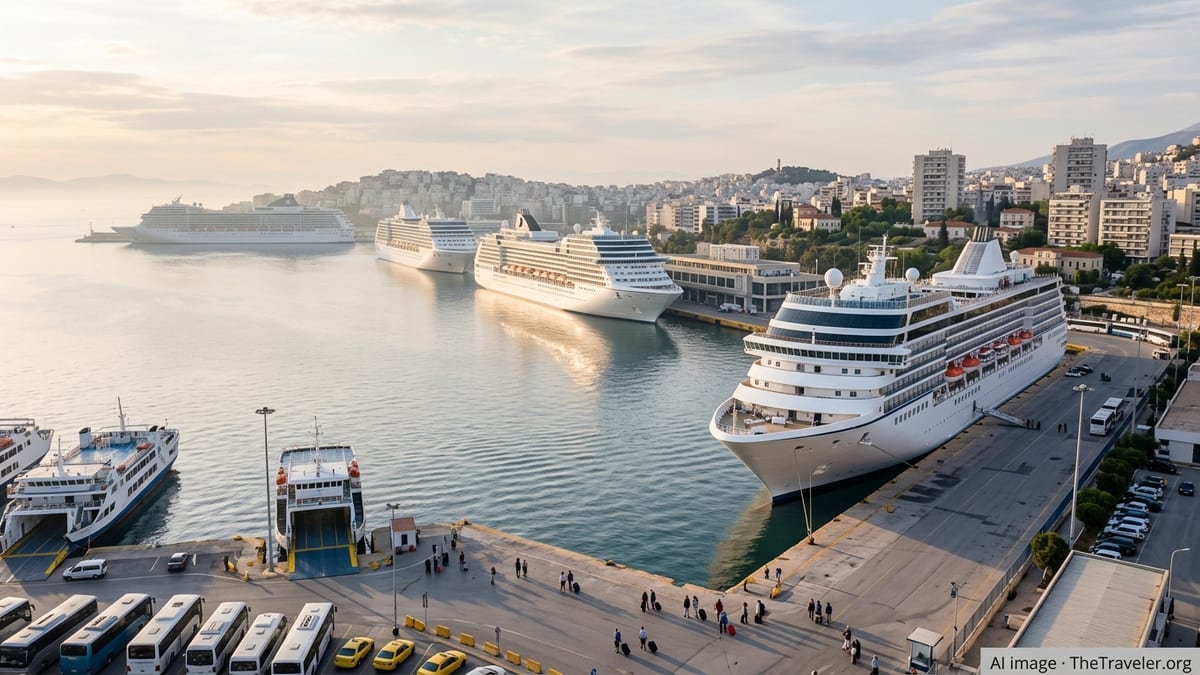
The strategy also aims to relieve overcrowding in headline destinations, which have faced international scrutiny over cruise congestion and strain on local infrastructure. By nudging British and other visitors towards a wider geographic spread, Greece is attempting to preserve the quality of experience in its most famous spots while generating new income streams in regions that historically saw little benefit from international tourism.
British Travellers Seek Experiences Beyond the Sunbed
Industry surveys in the UK and Europe suggest that British holidaymakers, particularly younger and higher-spending segments, are placing greater value on food culture, local interaction and nature-based activities. Greece’s evolving approach aligns closely with this pattern, positioning the country as a place where a beach break can be combined with hiking, wine tasting, religious heritage or creative workshops.
Travel trade reporting indicates that British demand for Greek destinations now includes a stronger interest in cooking classes, wine and olive oil tours, sailing itineraries, small-group walking holidays and trips with a focus on history beyond the main archaeological headlines. Specialist tour operators have responded by expanding Greek product lines that prioritise small-scale accommodation, family-run businesses and flexible, tailor-made experiences.
Looking ahead to upcoming seasons, tourism analysts in Greece argue that the British market will be critical in testing whether the country’s pivot beyond the traditional sun-and-sea model can succeed at scale. If British travellers embrace more sustainable, experience-rich holidays in Greece’s cities, mountains and lesser-known islands, the same approach is likely to be replicated across other major source markets in Europe and beyond.