


More news on this day
Several recent security incidents and updated foreign travel advice have prompted renewed warnings for tourists in Greece, with visitors urged to remain alert in busy city centers, nightlife districts and around political or symbolic locations.
Get the latest news straight to your inbox!
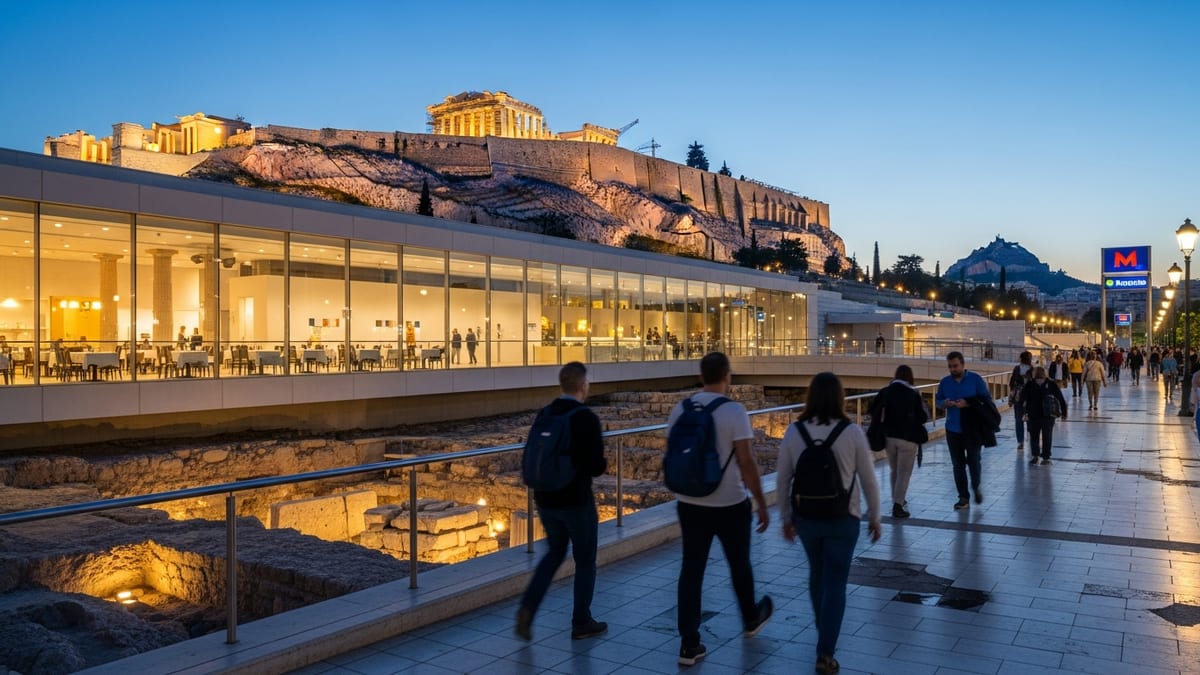
Recent incidents put spotlight on visitor safety
Publicly available reporting in early July highlights a series of security concerns in Greece, including firebomb attacks in Athens and isolated assaults on foreign visitors on popular islands. Coverage from international and local media indicates that three pre-dawn firebomb attacks in Athens at the start of July targeted properties linked to members of the governing party, leaving several people injured and raising questions about the potential for further politically motivated violence in urban areas.
Separate documentation published by foreign governments in 2025 describes cases in which Israeli tourists were threatened, chased or assaulted by pro-Palestinian groups in Rhodes and Thessaloniki. While these incidents were limited in scope, they illustrate that visitors can occasionally be caught up in politically charged confrontations, particularly when easily identifiable as part of a specific national group.
Travel-focused outlets are now packaging these developments into broader Greece travel alerts that stress situational awareness rather than discouraging trips. The latest analysis emphasizes that Greece remains one of Europe’s busiest holiday destinations, but that a combination of targeted attacks, politically tense demonstrations and opportunistic crime can create flashpoints in otherwise heavily touristed neighborhoods.
Most foreign office advisories continue to classify Greece as a country where normal precautions are appropriate, yet recent updates highlight a pattern of isolated but high-profile incidents. These range from political attacks in the capital to harassment of specific nationalities on islands and theft in resort areas, reinforcing warnings that visitors should avoid complacency in crowded or nightlife-heavy districts.
Foreign travel advice urges awareness, not cancellations
Updated guidance from several governments as of early July stresses that the overall risk level for Greece has not fundamentally changed, but that travelers should take note of evolving security dynamics. The United States continues to rate Greece at the lowest advisory level, encouraging normal precautions while reminding travelers to stay aware of terrorism risks and possible criminal activity targeting tourists in busy public spaces.
The United Kingdom’s latest Greece travel advice, revised in early July, likewise does not discourage travel but devotes significant space to safety, security and local crime patterns. The guidance draws attention to the potential for protests in central Athens and Thessaloniki, especially near government buildings and key squares, and notes that demonstrations can occasionally turn confrontational, disrupting transport and creating safety concerns for bystanders.
Australian travel advice and other European foreign office materials echo these messages, referencing past attacks and protest activity near tourist areas in Athens while underlining that such incidents remain relatively rare. These advisories advise visitors to monitor local media, avoid areas where demonstrations are under way and move away quickly if tensions escalate, particularly in the vicinity of political offices or embassies.
Across these official advisories, a common theme emerges: Greece is generally considered safe for tourism, but travelers are encouraged to maintain the same level of personal security awareness they would adopt in other major European destinations. Observers note that the combination of high visitor numbers, nightlife, alcohol consumption and occasional political tension can heighten vulnerability to both targeted and opportunistic incidents.
Political tensions and protests around urban hubs
Analysts point out that the recent firebomb attacks in Athens fit into a broader pattern of sporadic political violence that has occurred in Greece over the past decade, often linked to ideological groups on the extremes of the political spectrum. While such attacks are typically aimed at government, party or corporate targets rather than tourists, they sometimes occur in areas that also attract visitors, including dense residential neighborhoods, mixed commercial districts and streets close to historic centers.
Foreign travel advice notes that protests and strikes can take place with little notice, particularly in central Athens around Syntagma Square and the parliament building, and in parts of Thessaloniki. These events can lead to temporary road closures, disruption to public transport and a heavy police presence. Tourists staying in the vicinity of these hotspots may encounter sudden changes in traffic or crowd behavior and are encouraged to adjust their routes and schedules if they come across large gatherings.
Recent guidance also flags a broader climate of social and economic pressures, which can fuel unrest and sporadic confrontations. With the peak summer season bringing large crowds, there is greater potential for tourists to find themselves close to demonstrations or political events simply by moving through central transport hubs, shopping streets or waterfront promenades at busy times of day.
Travel analysts recommend that visitors pay attention to any local notices from accommodation providers, check the day’s news each morning and familiarize themselves with alternative routes back to their hotel. Even when demonstrations are peaceful, the advice is to observe only from a distance, avoid taking provocative photos of participants at close range and be prepared to leave the area if police cordons shift or tensions appear to rise.
Crime, scams and seasonal pressures in tourist hotspots
Alongside political incidents, crime patterns affecting visitors are a key focus of the latest Greece travel alerts. Foreign travel advice and traveler reports point to pickpocketing on public transport in Athens and Thessaloniki, theft in crowded nightlife zones on islands such as Mykonos, Ios and Rhodes, and occasional hotel or rental break-ins in resort towns. Some online accounts describe scams in which individuals posing as police officers or officials attempt to inspect passports or wallets in tourist districts.
Large seasonal visitor numbers place additional pressure on infrastructure, creating crowded conditions at ferry ports, airports, metro stations and popular archaeological sites. Analysts warn that dense crowds can make it harder to identify suspicious behavior early and can provide cover for opportunistic theft. Travel guidance advises visitors to keep valuables secure, avoid displaying large amounts of cash and exercise particular caution late at night around bars and clubs where alcohol consumption is high.
Travel-insurance organizations and consumer advocates stress the importance of comprehensive coverage that includes theft and medical emergencies, given the potential for accidents or scams in busy holiday environments. Recent case studies from past summers highlight the financial impact on travelers who experienced theft in hotels or short-term rentals but lacked adequate insurance, underlining the message that vigilance should be paired with practical planning.
Reports from recent seasons also mention disputes between visitors and accommodation providers over security responsibilities, especially after thefts where there are no clear signs of forced entry. Analysts suggest that tourists check reviews for references to safety, verify the presence of secure locks and safes and promptly report any loss both to local police and their insurer, following the instructions in their policy.
Wildfire risk and extreme weather add to overall risk picture
Security alerts for Greece this July are unfolding alongside significant environmental warnings, with wildfire risk elevated across large parts of the country. Forecast maps published by Greek civil protection authorities and reported in local media show high or very high fire danger levels for regions including Attica, parts of the Peloponnese, sections of northern Greece and several islands, reflecting a combination of heat, strong winds and dry vegetation.
Recent coverage from Greek and international outlets describes how thunderstorms, lightning and strong winds can spark fast-moving wildfires or cause rapid changes in weather conditions, even on days when skies appear clear in the morning. These dynamics pose potential risks not only to local communities but also to tourists staying in coastal resorts near forested hills or visiting rural areas for hiking and sightseeing.
Foreign travel advisories encourage visitors traveling during the peak summer season to stay informed about local fire warnings, adhere to any restrictions on outdoor activities and be prepared to follow instructions from civil protection channels if a fire breaks out nearby. Travelers are also advised to consider how quickly they could evacuate a property, familiarize themselves with primary and secondary exit routes and keep essential items such as passports and medications accessible.
Extreme heat is another recurrent concern for visitors, particularly those unaccustomed to temperatures that can rise sharply during July and August. Health professionals in Greece frequently point to dehydration, heat exhaustion and sunstroke as underappreciated risks for tourists who spend long hours outdoors. Combined with the heightened fire risk and the potential for smoke or air-quality issues near active blazes, these conditions add another layer to the call for heightened awareness among travelers planning Greek holidays in the coming weeks.