


More news on this day
Southern Europe is entering the core 2026 holiday season under mounting climate pressure, as Spain aligns with Italy, France and Portugal to prepare for an El Niño year marked by extreme heat, wildfire danger, flight disruption and signs of a tourism slowdown between July and September.
Get the latest news straight to your inbox!
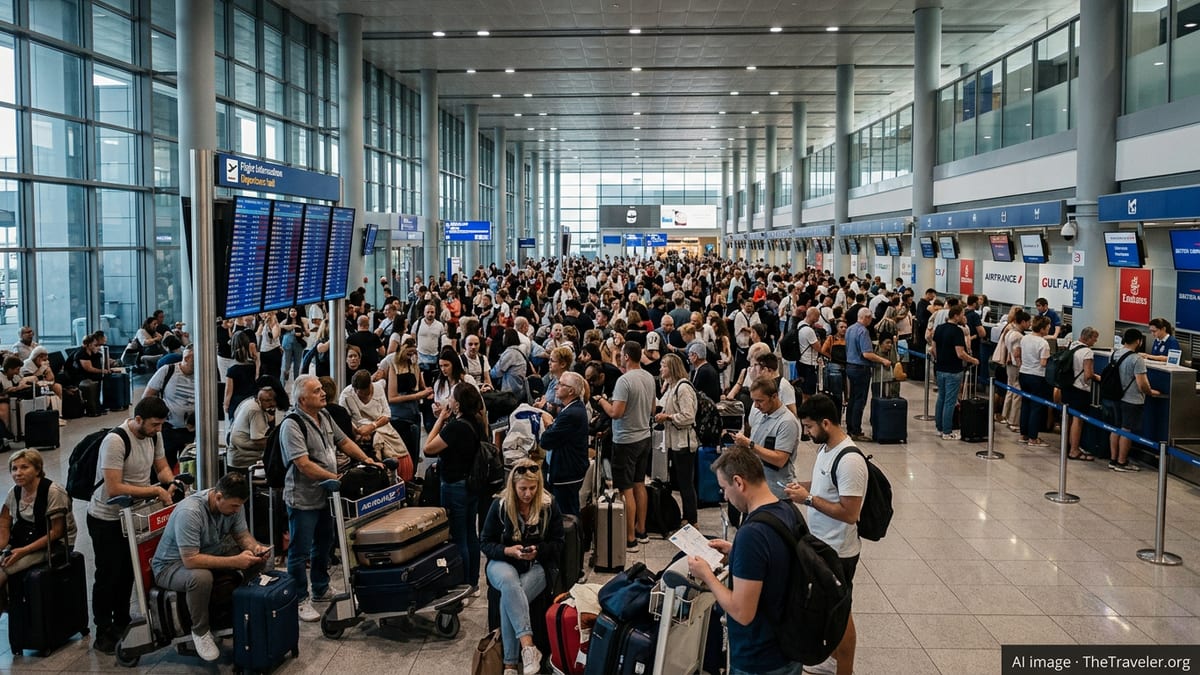
El Niño warnings collide with record-breaking European heat
Climate outlooks for 2026 point to a likely transition back to El Niño conditions in the Pacific, raising concern that already exceptional warmth over Europe will be amplified through the second half of the year. Updates from the World Meteorological Organization describe El Niño and La Niña as key drivers of global climate variability, with a June 2026 communication urging governments to prepare for renewed El Niño impacts as ocean temperatures rise again.
Regional media coverage in Spain and France reports that climate scientists expect 2026 to rank among the hottest years ever recorded, potentially surpassing 2024, which was identified in multiple analyses as the warmest year to date. Recent assessments of European heat stress show that western and southern Europe are emerging as global hotspots for rapidly intensifying summer extremes, a pattern that is already being reflected in early season heatwaves this year.
In late June 2026, France endured what national outlets described as an unprecedented June heatwave, with temperatures above 40 degrees Celsius in cities such as Bordeaux and Nantes and a record number of red heat alerts issued across the country. Analysts note that soils and vegetation left parched by this early episode could magnify later summer heat events, increasing the risk that the July to September window coincides with both higher peak temperatures and more volatile fire weather.
Climate specialists quoted in European publications emphasise that the combination of background global warming and a possible strong El Niño in late 2026 and into 2027 could prolong unusual warmth over land and sea well beyond the normal Mediterranean summer. For the travel sector, that raises the prospect that heat stress, wildfire smoke and storm-related disruption may no longer be confined to short-lived episodes, but instead define much of the coming peak season.
Spain steps up wildfire and tourism contingency planning
Spain has entered July with what regional news outlets describe as one of its most challenging starts to the wildfire season in years. Data drawn from the European Forest Fire Information System and Spain’s environment ministry show tens of thousands of hectares already burned in 2026, after a record-breaking June heatwave pushed temperatures above 45 degrees Celsius in parts of the south and left much of the countryside critically dry.
By late June, Spain’s first major heatwave of the summer had triggered red alerts in multiple provinces, night-time temperatures near or above 25 degrees Celsius and cancellations of traditional San Juan bonfires on sections of the coast due to extreme fire risk. Travel industry coverage notes that some municipalities tightened beach access, postponed outdoor festivals and adjusted opening hours for attractions to limit exposure to midday heat, steps that directly affect visitor itineraries.
Tourism-focused reports indicate that Spanish destinations are refining contingency plans for the July to September period, with coastal regions and major city hubs reviewing crowd management at airports, rail hubs and cruise terminals. Measures include expanding shaded waiting areas, adjusting flight schedules around peak heat where possible, improving access to drinking water in queues and reinforcing communication with tour operators about potential last-minute changes linked to wildfire smoke or local evacuations.
Hospitality businesses in hotspots such as Andalusia, Valencia and Catalonia are also rethinking operating models for another summer of extreme heat. According to trade press, some hotels and resorts are encouraging guests to shift activities to early morning and late evening, investing in higher-efficiency cooling and upgrading backup power systems to cope with more frequent spikes in electricity demand during heatwaves.
Italy, France and Portugal tighten heat and fire protocols
Across the rest of southern Europe, recent seasons have provided a stark preview of what an El Niño-influenced 2026 summer might bring. In 2025, southern Europe experienced major heatwaves that drove temperatures above 40 degrees Celsius in Italy, Spain, Portugal and Greece, with two thirds of Portugal placed on high alert at one point and fires erupting in multiple Mediterranean countries. Monitoring by the Copernicus Emergency Management Service and the European Centre for Medium-Range Weather Forecasts later showed that the 2025 summer ranked among the worst in two decades for wildfire area burned.
France has already spent much of early summer 2026 under elevated heat and wildfire alert, with media analyses highlighting hundreds of red- and orange-level warnings issued before July. National rail and energy networks have reported temporary slowdowns or local outages during the hottest days as tracks, cables and substations were strained by heat. These episodes are prompting operators to review contingency timetables, deploy additional maintenance crews and expand passenger communication ahead of the peak holiday exodus.
Italy is again preparing for a season of volatile conditions after recent years of alternating extreme heat, drought and sudden heavy downpours. Italian regional authorities have publicised updated wildfire risk maps and seasonal bans on agricultural burning in high-risk areas, alongside restrictions on access to certain forested zones during red-alert days. Travel and tourism observers note that popular rural and island destinations may face rolling trail closures, beach access limits or sudden ferry timetable changes when conditions worsen.
Portugal, which has dealt with deadly wildfires in multiple recent summers, continues to refine its fire management strategy as hot and dry conditions return. Summaries from European fire monitoring agencies show that the country has already recorded large burned areas in recent years, particularly during intense August heatwaves. For summer 2026, public information campaigns are targeting both residents and visitors with guidance on vehicle use, outdoor cooking and cigarette disposal in rural areas, reflecting concern that tourist behaviour can unintentionally spark blazes during high-risk periods.
Airlines, airports and rail networks brace for disruption
Transport operators across southern Europe are positioning for another season of climate-related disruption as the El Niño outlook raises the probability of persistent atmospheric instability. Airlines serving Spain, Italy, France and Portugal are already familiar with the cascading impact of extreme heat on operations, from performance limits on aircraft at hot-and-high airports to thunderstorms and smoke plumes that force last-minute route changes or diversions.
Industry bulletins for summer 2026 highlight several pressure points: higher turbulence risk on popular trans-European routes, temporary closures of airspace near major wildfires, and the possibility of longer turnarounds when ground crews must restrict work during the hottest hours of the day. Travel advisories are encouraging passengers to allow more connection time, monitor airline apps closely and be prepared for short-notice schedule revisions between July and September.
Rail networks and urban transit systems are also under scrutiny after previous summers saw speed restrictions introduced on certain high-speed and regional lines in France, Spain and Italy due to track buckling risks. In 2026, infrastructure managers are trialling enhanced track monitoring and earlier-warning protocols so that temporary slow orders can be phased in and lifted with less disruption, but timetables may still lengthen on the hottest days.
Airports in Mediterranean hubs such as Barcelona, Madrid, Lisbon, Rome and Nice are expanding shaded zones, cooling systems and medical support facilities in terminals to cope with surges in heat-related health complaints among both staff and travelers. Operational updates from ground handling providers indicate a renewed focus on staff rotation, hydration and protective equipment so that baggage, catering and fueling services can continue safely during prolonged hot spells without triggering wider delays.
Tourism models adapt as travelers weigh climate risks
The prospect of an El Niño-boosted 2026 summer is accelerating debate about how southern Europe’s tourism model can adapt to a hotter, more volatile climate. Research summarised in European climate journals shows that extreme heat and wildfire smoke are already depressing visitor numbers in some inland and rural areas during the height of summer, even as demand remains robust for coastal destinations perceived as offering sea breezes and easier escape from high temperatures.
Travel industry analysts report early signs that some international visitors are shifting trips to shoulder seasons in April to May and late September to October, or rebalancing itineraries away from the hottest southern regions toward cooler Atlantic and northern European destinations. At the same time, Mediterranean countries remain heavily reliant on peak summer revenue, prompting tourism boards to promote heat-adaptive experiences such as night-time cultural events, early morning guided tours and indoor attractions designed for climate-controlled comfort.
Policy discussions in Spain, Italy, France and Portugal increasingly reference climate resilience as a core pillar of tourism planning. Publicly available information underscores moves to integrate heatwave and wildfire risk into destination marketing, insurance products and infrastructure investment, from greener urban spaces and water-efficient resorts to diversified transport links that can handle route closures or evacuations.
As the July to September 2026 season approaches, travel companies are advising clients to treat extreme weather as a normal part of trip planning rather than an exceptional shock. That includes checking flexible booking options, reviewing travel insurance coverage for disruption linked to heat and wildfires, and staying informed through official weather and civil protection channels. With El Niño forecast to add further energy to an already overheated climate system, southern Europe’s summer travel experience is set to be defined increasingly by how well destinations, operators and travelers adapt in real time.