


More news on this day
Greece is cementing its status as one of the world’s tourism powerhouses, closing 2025 with record-breaking visitor numbers and revenues that are reshaping both the country’s economy and the travel experience on the ground.
Get the latest news straight to your inbox!
Record Arrivals and Revenues Redraw the Map
Recent data from the Bank of Greece and national economic studies show that the country’s tourism sector has entered a new phase of expansion, setting consecutive records since 2023. Published coverage of final 2024 figures indicates that Greece welcomed around 40 million visitors that year, already surpassing pre-pandemic levels by a wide margin. In 2025, estimates now point to nearly 38 million non-resident arrivals, reflecting a further annual increase in inbound traffic and consolidating Greece’s position among Europe’s busiest destinations.
Revenues are rising even faster than headcounts. Central bank travel-balance data and aggregated reporting from Greek and international outlets indicate that tourism receipts reached roughly 21 to 22 billion euros in 2024 and climbed again in 2025 to around 23.5 to 23.6 billion euros. Analysts highlight that income is growing at a quicker pace than arrivals, suggesting higher average spending per trip and a deliberate shift toward more value-focused tourism.
These figures underline tourism’s growing weight in the Greek economy. Studies by Greek financial institutions and international organizations suggest that travel and tourism now account, directly and indirectly, for more than a tenth of national output and a significant share of employment. The latest numbers confirm that Greece is not only recovering from the pandemic shock, but actively gaining global market share in international arrivals.
Seasonality patterns are evolving as well. Flight schedules and airport statistics reported by regional operators show that demand in shoulder months such as April, May, September and October is strengthening, with some islands and city destinations registering double-digit growth outside the traditional July to August peak. This gradual lengthening of the season is seen as crucial to sustaining record volumes while easing summer pressure on popular hotspots.
Jaw-Dropping Attractions: From Iconic Islands to Revived Classics
The surge in numbers is closely tied to an expanding portfolio of attractions, both classic and new. Greece’s marquee destinations, including Santorini, Mykonos, Crete and Rhodes, continue to draw the bulk of international attention, with recent airport and port statistics pointing to sustained growth in arrivals by air and sea. These islands remain high on global bucket lists thanks to their volcanic landscapes, whitewashed villages and nightlife, and they continue to anchor the country’s tourism brand.
At the same time, city-break and culture-focused travel is gaining momentum. Athens, in particular, has seen record traffic through its international airport, with published traffic reports highlighting steady increases in both full-service and low-cost carriers. Beyond the Acropolis and the city’s renowned museums, new cultural venues, contemporary galleries and gastronomy districts are encouraging visitors to extend their stays and explore neighborhoods beyond the historic core.
Elsewhere, multi-day mainland itineraries are being promoted more aggressively. Northern Greece, the Peloponnese, Epirus and Thessaly are drawing travelers with a mix of Byzantine monuments, mountain villages, wine routes and coastal towns. Reports on regional tourism performance indicate that these areas are collectively growing faster than the traditional sun-and-sea hubs, as tour operators and independent travelers look for alternatives to saturated island resorts.
Nature, wellness and outdoor experiences are another pillar of Greece’s new tourism appeal. Hiking routes such as those in the Pindus mountains, sports tourism events and spa-focused stays in historic thermal towns are being packaged as stand-alone draws for international visitors. National and local authorities have backed trail improvements, marina upgrades and beach-access projects, creating a broader menu of “jaw-dropping” experiences that go well beyond postcard sunsets.
Infrastructure, Investment and the Cruise Surge
Behind the headlines, a wave of investment is reshaping infrastructure across the country. According to publicly available information from Greek airports groups and hospitality analysts, capacity upgrades at major gateways have allowed more long-haul connections and higher aircraft movements in peak season. Regional airports, managed under concession agreements, have seen new terminals, runway improvements and expanded aprons, helping smaller islands handle record arrivals with fewer bottlenecks.
Hotel development has accelerated, particularly in the upscale and luxury segments. Market reports compiled by Greek banking groups note a rise in high-end room supply in Athens, Thessaloniki, Crete and the Cyclades, alongside the conversion of historic buildings into boutique properties. International hotel brands are strengthening their presence, while domestic groups continue to expand their resort portfolios, targeting longer stays and higher-spending guests.
The cruise sector is another major growth driver. Industry coverage shows that the port of Piraeus has consolidated its role as a leading cruise homeport in the eastern Mediterranean, with double-digit increases in passengers over the past two seasons. Popular island ports such as Corfu, Mykonos and Santorini have also handled record cruise calls, drawing millions of day-trippers and boosting local spending on shore excursions, dining and retail.
Transport links beyond airports and cruise terminals are evolving too. New and upgraded highways on the mainland have shortened travel times between key cities and regions, making self-drive and coach tours more attractive. Investments in marinas and inter-island ferry connections are improving access to lesser-known islands, supporting the country’s push to distribute tourism flows more evenly across the archipelago.
Managing Overtourism, Climate Risks and Visitor Experience
Greece’s tourism boom has also exposed growing pains. International media coverage and domestic debate highlight concerns about overtourism in iconic destinations, particularly in the Cyclades and parts of Crete and Rhodes. Residents report pressure on housing markets, public services and local infrastructure in peak months, while authorities at national and municipal level are examining tools such as stricter zoning, caps on short-term rentals and revised port and parking regulations.
Climate-related risks are another challenge. Successive summers have brought heatwaves and wildfires to parts of the country, occasionally disrupting travel plans and prompting renewed scrutiny of evacuation protocols and civil protection measures. Policy papers and environmental assessments stress the need for both climate adaptation, including better forest management and early-warning systems, and mitigation, such as incentives for greener hotel operations and more efficient transport.
To safeguard the visitor experience, destination managers and industry associations are investing in digital tools and crowd-management strategies. Some popular archaeological sites and museums are experimenting with timed entry and extended opening hours, while tourism bodies are promoting alternative routes and lesser-known islands to spread demand. At the same time, training programs for hospitality staff and small business owners are being expanded to uphold service standards as visitor volumes climb.
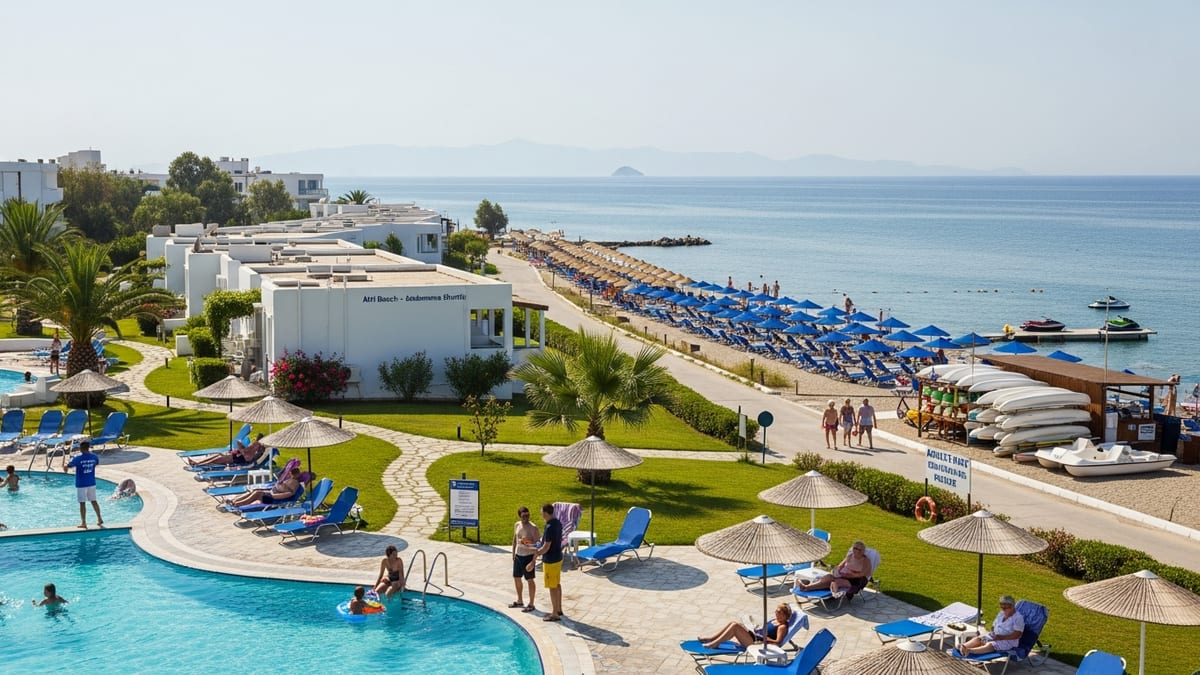
Waste management, water usage and coastal protection are emerging as priorities in resort areas. Environmental organizations and academic studies warn that unchecked development could threaten the very landscapes and seascapes that attract visitors. In response, resort operators and local authorities are piloting initiatives such as beach-carrying-capacity assessments, improved recycling systems and restrictions on certain types of coastal construction.
What Travelers Need to Know for the Next Wave
For visitors, Greece’s unstoppable tourism growth translates into both opportunity and preparation. The expansion of air routes, extended seasons and new high-quality accommodations mean more options than ever for tailoring a trip, from short urban breaks to remote island escapes. However, booking trends and occupancy data suggest that availability in peak months can tighten rapidly, especially on headline islands and in the most photogenic neighborhoods of Athens.
Travel industry advisories and pricing analyses indicate that early planning is increasingly rewarded. Airfares and room rates tend to climb as summer approaches, particularly for late-July and August departures, while shoulder months offer more favorable prices and a more relaxed atmosphere. Travelers looking for crowd-free experiences are being encouraged by tour operators and destination campaigns to explore mainland regions, lesser-known islands and city stays outside the hottest weeks.
Given the recent heatwaves and occasional wildfire disruptions, travel experts recommend building flexibility into itineraries. This can include choosing refundable rates, allowing extra time for connections and staying informed through official weather and civil-protection channels during summer. Many visitors are also favoring accommodations with strong sustainability credentials, such as energy-efficient properties and locally owned hotels that support regional supply chains.
For Greece, the current trajectory suggests that tourism will remain a central pillar of growth for years to come. For travelers, it means that the country’s iconic beaches, ancient sites and emerging experiences are likely to be busier, better connected and more varied than ever, provided that the delicate balance between volume, value and preservation can be maintained.