


More news on this day
A recent account from a lawful permanent resident arriving at Miami International Airport describes a routine passport check that turned into a lengthy secondary inspection and a “verbal warning” from U.S. Customs and Border Protection, raising questions about what green card holders can expect at the border and how fragile lawful permanent resident status can feel in practice.
Get the latest news straight to your inbox!
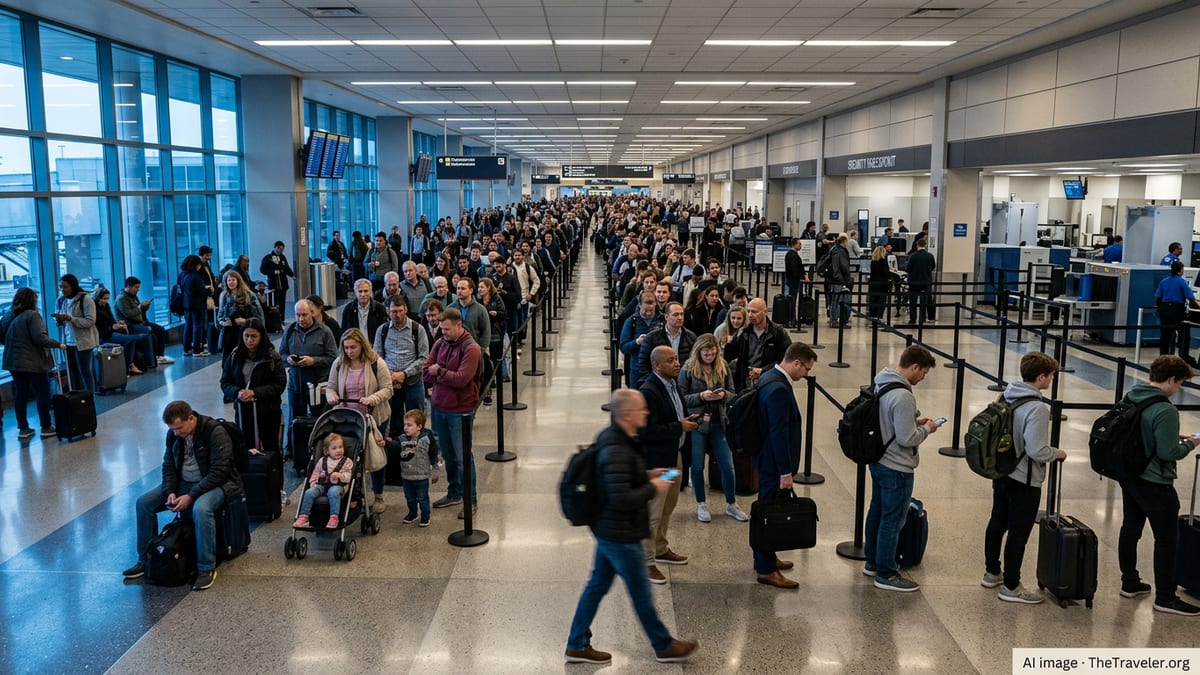
From Primary Booth To Secondary Inspection Room
According to publicly available descriptions of the incident, the traveler, a green card holder returning from a short trip abroad, presented a passport and permanent resident card at a primary inspection booth at Miami International Airport. Instead of a quick stamp and admission, the inspection was paused and the individual was directed to a separate waiting area for additional screening.
This kind of referral to secondary inspection is a well-established part of the U.S. border process. CBP’s published guidance explains that all arriving travelers are first screened in primary inspection, and anyone whose circumstances, records or travel pattern require closer review may be sent to secondary for more detailed questioning and system checks. Secondary inspections can last from a few minutes to several hours, depending on workload and case complexity, and may involve multiple officers reviewing databases and prior entries.
Government documents outlining CBP procedures describe secondary inspection as the place where unresolved questions about admissibility are addressed, using information drawn from immigration and law enforcement systems. In some cases, this results in formal actions such as deferred inspection appointments, withdrawals of an application for admission, or, for certain noncitizens, expedited removal. In many cases involving green card holders, however, the outcome is admission after additional questions and, occasionally, an informal warning.
Travelers and immigration attorneys have reported that Miami International Airport features prominently in online accounts of extended inspections and heightened scrutiny, reflecting its role as a major port of entry for Caribbean and Latin American routes and one of the busiest hubs for international arrivals in the United States.
What A “Verbal Warning” Can Mean For Green Card Holders
In the Miami case, the traveler reports ultimately being admitted to the United States but told they were receiving a “verbal warning.” No written document was issued, and the green card was not taken, but the interaction left the traveler unsure whether the warning would affect future trips or immigration status.
Law firm advisories and immigration practice updates in 2024 and 2025 describe similar outcomes for other green card holders returning through U.S. airports. In those examples, officers completed the inspection, admitted the traveler and then cautioned them about specific issues, such as long or frequent stays abroad, minor criminal records, or discrepancies between work and residence history and the required intent to live permanently in the United States. Some travelers report passport notations such as “I-327 advised,” which attorneys interpret as an indication that CBP believes the person may be spending too much time outside the country and should consider applying for a reentry permit before further extended travel.
Immigration guidance emphasizes that lawful permanent residents enjoy stronger rights at the border than visitors, but their status is not immune from challenge. If a trip outside the country is especially long, if there is a pattern of near-continuous time abroad, or if there are certain criminal issues, officials can question whether the person has effectively abandoned residency or become subject to removal proceedings. In that context, a purely spoken warning, without seizure of documents or issuance of a formal charge, is generally viewed as a discretionary step rather than a binding decision.
Attorneys note that a warning at secondary inspection can still have practical consequences. Notes may be added to a traveler’s electronic record, increasing the likelihood of future referrals to secondary or prompting closer scrutiny on later entries. Travelers who receive this type of admonition are often advised, in published materials, to adjust travel patterns, keep clear documentation of their ties to the United States, and seek individual legal counsel before planning long trips.
Rules, Travel Patterns And CBP Discretion
Under U.S. immigration law and related regulations, many returning green card holders are not considered to be making a new “application for admission” when they come back from a trip abroad, and are therefore generally entitled to reenter if they have not abandoned residence or become removable. However, there are specific circumstances spelled out in federal law in which even a permanent resident is treated as seeking admission, including when they have stayed outside the country for more than 180 days or have committed certain offenses.
Publicly available explainer materials from universities, advocacy groups and law firms stress that the widely cited “six-month rule” is not a strict safe harbor. CBP officers have authority to examine a full pattern of travel over time, not just a single trip, and may look at how many days in a given year the person spends outside the United States and whether their employment, property and family life appear centered abroad. Some travelers who remained outside the country for less than six months but repeated the pattern multiple times report receiving targeted questions and warnings at ports of entry.
Government inspection manuals and oversight reports make clear that frontline officers at ports like Miami exercise significant discretion when determining whom to refer to secondary inspection, what questions to ask and when to escalate a case to more formal processes. That discretion is framed by statutes such as section 235 of the Immigration and Nationality Act and by CBP policies, but on-the-ground implementation can vary from airport to airport and even from shift to shift.
For green card holders, this means that similar travel histories can lead to different experiences depending on the port of entry and the officer’s assessment on the day of arrival. Published accounts from travelers show some being waved through quickly despite lengthy absences, while others with comparatively modest trips abroad face detailed questioning and admonitions about maintaining residence.
Miami International Airport Under The Spotlight
Miami International Airport has drawn particular attention in recent years for its border screening practices. Local coverage and national civil liberties reporting have documented cases in which citizens and noncitizens alike were held for extended periods in inspection areas, questioned about social media accounts and personal associations, or asked to unlock electronic devices as part of inspections.
Oversight documents from the Department of Homeland Security’s Office of Inspector General, which has conducted unannounced visits to CBP facilities in the Miami area, describe high volumes of travelers and note that secondary inspection capacity can be strained during peak hours. While those reviews primarily focused on treatment and conditions in holding areas, they illustrate the operational pressures that can shape the experience of returning travelers, particularly at a time of increasing international traffic through Miami.
Miami’s role as a gateway for travelers from across Latin America and the Caribbean also means that it sees a large number of lawful permanent residents with strong ties to both the United States and their countries of origin. That profile can lead to frequent travel patterns that draw attention at inspection, especially when combined with factors such as overseas work assignments, property ownership abroad or complex family situations.
Against that backdrop, the recent account of a green card holder receiving a verbal warning at Miami International Airport adds one more data point to an emerging picture. It reflects not only individual discretion at a single inspection booth, but also the broader dynamics of a busy international hub where immigration, security and humanitarian concerns intersect on a daily basis.
Practical Takeaways For Lawful Permanent Residents
Publicly accessible guidance aimed at green card holders repeatedly underscores the importance of planning travel with border inspections in mind. Travelers are encouraged to carry valid passports from their country of nationality and their physical green cards, and to be ready to explain the purpose and duration of any trip abroad. For those whose work or family obligations require repeated or extended international travel, several law firms recommend considering a reentry permit to document their intent to maintain U.S. residence.
Know-your-rights materials emphasize that permanent residents subjected to secondary inspection can expect more in-depth questions and possible searches of luggage and electronic devices, and that the process can be time-consuming. Although CBP has broad legal authority in this setting, travelers are not required to sign forms that would give up permanent resident status, such as Form I-407, without the opportunity to understand the consequences.
Published traveler reports suggest that receiving a verbal warning, by itself, does not automatically trigger the loss of a green card. Instead, it is a sign that an officer has concerns and that future entries may face closer review. Immigration practitioners generally advise anyone who has been warned about travel patterns, residence or past conduct at a port of entry to seek individualized legal advice, particularly if they anticipate more long trips, a future naturalization application or any prior criminal history.
For now, the Miami airport episode serves as a reminder that even routine international journeys can bring lawful permanent residents into complex territory at the border. As travel volumes rebound and inspection practices continue to evolve, green card holders navigating ports like Miami are seeking more information and predictability about what awaits them on arrival.