


More news on this day
The residential cruise ship Odyssey has left the Cambodian port of Sihanoukville without any passengers on board, marking a stark new chapter in a troubled “endless” world voyage that unraveled amid spiraling fuel costs and a sudden shutdown of operations.
Get the latest news straight to your inbox!
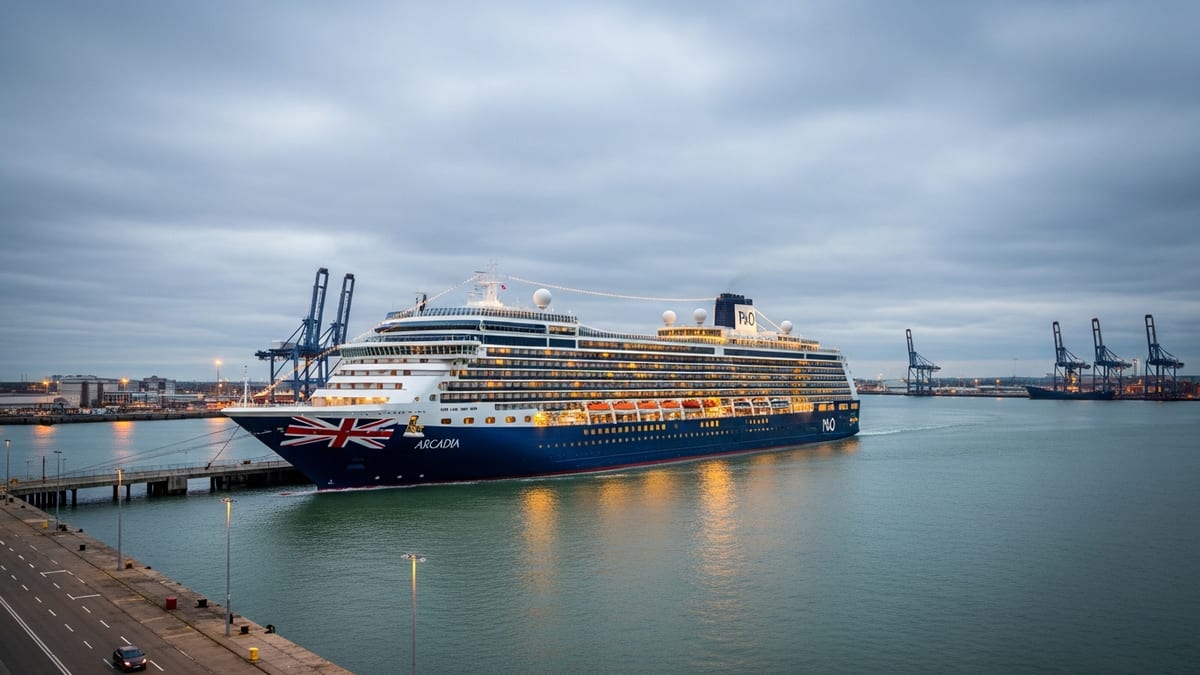
Ship Sails Empty From Sihanoukville After Sudden Disembarkation
Publicly available information indicates that the MV Odyssey departed Sihanoukville late Tuesday, November 3, with only crew and technical personnel remaining on board. Regional media and wire-service coverage describe the vessel easing out of Cambodia’s main deep-sea port days after more than 200 residents were ordered to leave the ship with their belongings.
Reports indicate that the Odyssey, operating as a residential cruise under the Villa Vie Residences brand, had been anchored off or alongside Sihanoukville since late October, when its multi-year world cruise was abruptly halted. The ship, which has a capacity for about 650 passengers and had roughly 150 crew members listed on recent manifests, is now sailing without any of the long-term residents who had been living at sea.
Cambodian provincial officials previously reported that the ship was working through complex financial and operational issues while moored at the port. By the time the Odyssey finally left Cambodian waters, the human side of the crisis had already shifted ashore, with former passengers arranging flights and accommodation across Southeast Asia.
“Endless” Residential Cruise Collides With Fuel Price Shock
The Odyssey’s troubles are closely tied to its business model. The vessel was marketed as a floating residential community, offering cabin ownership or long-term leases on an itinerary designed to circle the globe over three and a half years. According to earlier promotional material and subsequent financial commentary, residents paid substantial upfront sums, plus ongoing monthly fees, in exchange for a lifestyle built around continuous travel.
Published coverage over the past week links the shutdown directly to a sharp rise in fuel prices. The Florida based operator behind Villa Vie Residences announced in late October that escalating bunker fuel costs, amplified by disruptions in global energy markets related to conflict in the Middle East, had rendered the existing business plan unsustainable. Reports indicate that the company described the situation as extraordinary and said it could no longer secure the fuel required to maintain the planned itinerary.
Information compiled from passenger accounts and news reports suggests that, in the weeks before the stop in Cambodia, residents were repeatedly asked to contribute additional funds for fuel and other operating costs. Online discussions in cruise and expatriate forums referenced calls for hundreds of thousands of dollars in extra contributions, underscoring how rapidly the financial picture appeared to deteriorate.
Industry analysts quoted in financial and travel press note that residential cruise ventures are particularly sensitive to shifts in energy prices, because their operating model depends on long, fuel-intensive itineraries and promises of near-constant movement. The Odyssey episode is now being cited as a case study in how external shocks can expose thin margins and ambitious projections.
Residents Left to Rebuild Travel Plans on Land
For the hundreds of people who had come to call the Odyssey home, the sudden shutdown translated into an immediate and costly scramble. According to detailed reporting in financial and lifestyle media, residents were given only a few hours’ notice in Sihanoukville to pack up cabins they had treated as permanent apartments and to move ashore with everything they owned.
Social media posts and interviews published by outlets in North America and Europe describe passengers from the United States, Canada, Europe and Australia suddenly faced with the need to book last-minute hotels and flights out of Cambodia. Several accounts say that, at least in the immediate aftermath, there was no confirmed schedule for refunds on cabin purchases or prepaid fees, leaving many to fund emergency travel from their own savings.
Some former residents have shared video diaries and updates on public platforms, documenting lines of luggage on the dock and bus transfers away from the port. These firsthand accounts, now widely referenced in news articles, paint a picture of a tight-knit onboard community abruptly scattered, with friendships and routines forged at sea suddenly transplanted into airport lounges and budget hotels.
Consumer advocates quoted in retirement and travel publications note that most traditional cruise bookings are protected by established terms, insurance options and regulatory frameworks, while innovative residential-at-sea products can sit in a more ambiguous space. The Odyssey case is prompting calls for clearer disclosure around financial reserves, contingency planning and passenger protections in long-duration maritime housing schemes.
Cambodia’s Brief Role in a Global Travel Saga
Sihanoukville, a coastal city in Cambodia’s Preah Sihanouk province, served as an unlikely end point for a voyage that began in Northern Ireland in 2024 and had promised slow, continuous circumnavigation. The port typically sees a mix of container traffic, regional ferries and seasonal cruise calls, but rarely finds itself at the center of an international travel story.
Provincial tourism officials quoted in regional coverage emphasized Cambodia’s willingness to assist during the layover, including coordinating with the ship’s operators and providing logistical support while residents rearranged their travel. The sudden arrival of more than 200 long-stay cruise residents also translated into a short-term bump in demand for local hotels, transport and consular services, as travelers sought new routes home.
Cambodia’s own tourism industry, still rebuilding international arrivals in the wake of the pandemic, has drawn renewed attention through the episode. Travel media note that many displaced passengers chose to spend additional days in Phnom Penh, Siem Reap or coastal areas before departing the country, turning a forced disembarkation into an unplanned, if emotionally fraught, land-based holiday.
For Sihanoukville itself, the image of a large cruise ship departing empty of passengers captured a moment of transition. Local commentary in regional news outlets highlighted both the human drama of the stranded residents and the potential reputational implications for niche cruise operators using smaller, less traditional ports across Asia.
Questions Mount Over Future of Residential Cruising
As the Odyssey moves on without passengers, attention is turning to what comes next for the ship and for the broader concept of residential cruising. Publicly accessible corporate updates from Villa Vie Residences have so far focused on suspending operations and assessing options, with no firm timeline announced for any potential relaunch, sale or restructuring involving the vessel.
Specialist maritime publications point out that the Odyssey has already lived multiple commercial lives, including service as a conventional cruise ship under different brands before its conversion into a residential product. Any future use would likely require both technical assessments and a clear, credible financial plan after the current high-profile failure.
Travel advisors and cruise analysts interviewed in recent days suggest that, while the idea of retiring or working remotely at sea retains strong appeal for some, prospective residents are now likely to demand far more detail about funding, contingencies and regulatory safeguards. The events in Cambodia are seen as a stress test for a niche sector that has sought to blend elements of real estate, hospitality and maritime operations.
For now, the image of the Odyssey clearing Sihanoukville’s harbor with only crew on board stands as a potent symbol of both the promise and the volatility of life at sea. A voyage marketed as a way to leave land life behind has abruptly returned many of its residents to the uncertainties of airports, rental agreements and conventional travel planning.