


More news on this day
The residential cruise ship Villa Vie Odyssey has departed the Cambodian port of Sihanoukville without any passengers on board, capping a turbulent week in which hundreds of long-term residents were ordered to leave the vessel amid a financial crisis linked to surging fuel prices.
Get the latest news straight to your inbox!
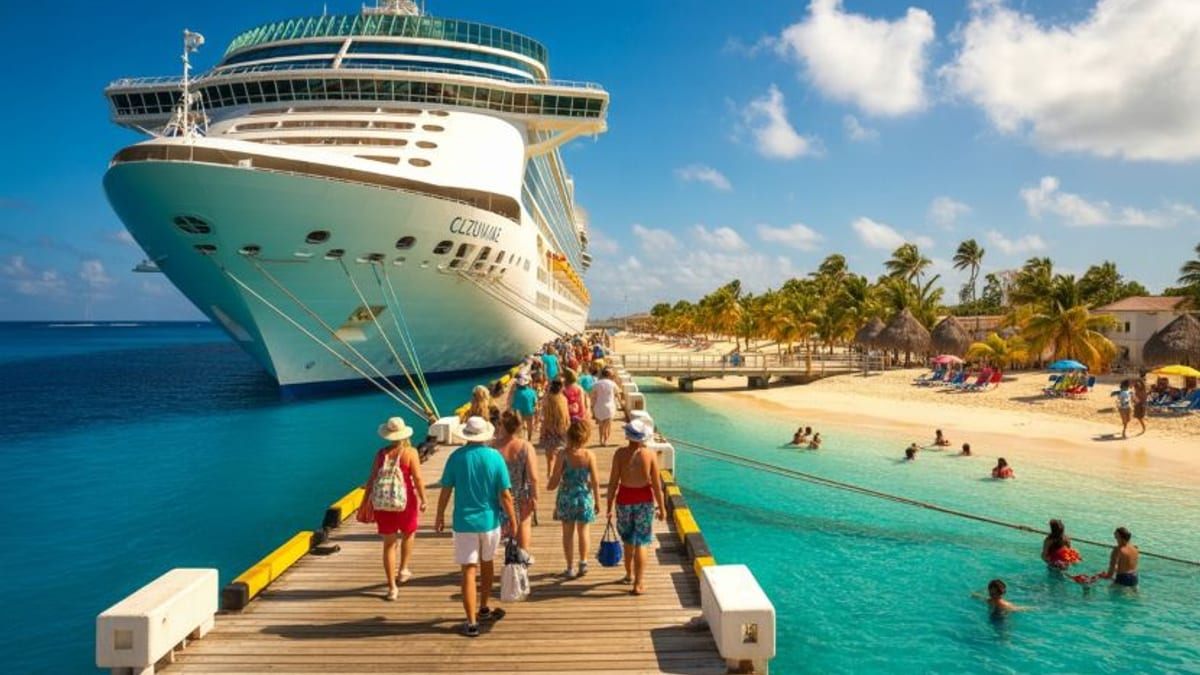
End of an "endless" voyage
Publicly available reports indicate that the Odyssey left Sihanoukville this week crewed only by staff, following an abrupt halt to its so-called endless world cruise in late October. The ship, marketed by operator Villa Vie Residences as a multi-year residential voyage where travelers could effectively live at sea, had been laid up in the Cambodian port while the company reviewed its finances.
Coverage from outlets including the Associated Press and other international media describes how residents were informed on October 27, 2026, that operations were being suspended and that they would need to disembark in Cambodia with their belongings. The decision ended a journey that had only begun in 2024, after a heavily publicized launch aimed at retirees, digital nomads, and full-time travelers.
Information compiled from maritime tracking data and news reports shows that while the Odyssey was designed to carry around 650 passengers, it sailed away from Cambodia with only crew on board. Around 150 to 160 crew members were reported to be assigned to the vessel, although it remains unclear how many stayed aboard for the repositioning voyage.
The vessel is expected to head from Cambodia toward Singapore under the control of the ship’s lender, according to financial and travel-industry coverage, while the future of both the ship and the residential cruise concept remains in question.
Soaring fuel costs and a broken business model
Villa Vie Residences has publicly attributed the shutdown to a sharp increase in fuel prices on parts of the itinerary in Asia. Statements cited in multiple reports describe how monthly fuel expenses that historically averaged about 1,800 dollars per cabin surged to an estimated 6,000 to 8,000 dollars per cabin in the region, a level the company said it could not sustain.
The operator had pitched the Odyssey as a relatively predictable-cost lifestyle product, with residents paying upfront or ongoing fees for multi-year stays. The steep rise in fuel costs, reportedly linked to wider disruptions in global shipping and energy markets, appears to have upended those financial assumptions. Commentators in cruise-industry analyses note that residential concepts are especially exposed to such shocks, because they rely on long-range itineraries and cannot easily shorten voyages or redeploy ships to closer markets.
Reports indicate that in the weeks leading up to the Cambodia lay-up, residents were asked to contribute additional funds toward fuel and other operating expenses. Coverage from European and North American outlets describes appeals for extra payments and fundraising efforts to keep the ship moving, as the company sought new financing and attempted to reassure those who had bought long-term stays.
Ultimately, those efforts did not prevent the decision to suspend operations in Sihanoukville. Legal and financial details remain limited in the public domain, but several reports state that the ship’s lender has now taken control of the asset as the company works on restructuring options.
Residents stranded in Cambodia after sudden disembarkation
The Odyssey story has unfolded as much on shore as at sea. According to published coverage from financial and general-interest news outlets, many residents were given only hours to pack and leave the ship once the decision to halt operations was announced. Some who were on excursions reportedly struggled to return in time to collect all of their belongings before access was restricted.
Passengers had been sold multi-year residential packages, including so-called cruise-for-life-style arrangements in some cases, and many had downsized or sold homes on land in order to move aboard. The abrupt stop in Cambodia left them searching for hotels and emergency flights, often at short notice and during a period of peak demand in parts of Southeast Asia’s tourism market.
Publicly available accounts from passengers shared with major broadcasters and magazines describe mixed experiences with post-cruise support. Villa Vie Residences has stated in public communications that it would help residents find temporary accommodation, but several travelers quoted in news features say they received little or no direct financial assistance for lodging or onward transport.
Travel specialists following the saga note that Cambodia, and Sihanoukville in particular, is not a primary long-haul hub for most of the Odyssey’s largely European and North American clientele. That has added extra complexity and cost to rerouting plans, as many stranded travelers first needed to reach larger aviation gateways such as Phnom Penh, Bangkok, or Singapore.
What happens next for the Odyssey and its residents
As of early November 2026, no definitive public plan has emerged for how, or if, the Odyssey’s residential cruise model might resume. Reports from business and maritime news outlets suggest that a range of scenarios are being considered, from a possible restructuring that could see the ship chartered or sold, to more pessimistic assessments in which the vessel is disposed of to cover outstanding debts.
Passengers who purchased long-term packages now face complicated refund and claim processes. Some had invested significant sums, including high six-figure amounts for lifetime or multi-decade stays, according to retirement and personal finance coverage that has profiled affected residents. Consumer advocates following the case point out that the mix of international maritime law, corporate restructuring, and individual contracts is likely to prolong the outcome.
For the wider travel industry, the empty departure of the Odyssey from Cambodia raises sharper questions about the viability of residential cruising in an era of volatile fuel prices and uncertain global economics. Analysts quoted across several reports observe that while the concept remains attractive to a niche group of travelers, operators may need more conservative itineraries, stronger financial buffers, and clearer protections for residents to avoid similar crises.
For now, the ship that once promised an endless voyage is sailing without the people who made it a floating community, while those former residents navigate an unplanned return to life on land and wait to see whether any of their investment in the dream of permanent travel can be recovered.
Implications for long-term and residential cruising
The Odyssey’s lay-up in Cambodia and its empty repositioning have brought new scrutiny to the business models behind extended and residential cruises. Trade publications had previously highlighted strong demand for long-duration sailings, particularly from retirees and location-independent workers seeking an alternative to traditional property ownership.
However, the events surrounding the Odyssey show how multi-year products can leave travelers exposed if core costs such as fuel, port fees, or insurance change faster than anticipated. In contrast to conventional cruises that are sold segment by segment, residents on the Odyssey committed to long-term itineraries, sometimes years in advance, with less flexibility to adjust when conditions shifted.
Industry commentators now suggest that prospective residents on similar projects should look carefully at financial safeguards, including whether funds are held in trust, how operating costs are passed through, and what happens if a voyage is curtailed. Transparency around charter agreements, lending arrangements, and contingency plans is also likely to come under greater focus from prospective buyers.
While other lines continue to promote world cruises and extended segments, the image of a residential ship departing Cambodia devoid of passengers is likely to resonate with travelers evaluating whether to move their lives at sea. For many who had watched the Odyssey as a test case for full-time ocean living, its sudden halt offers both a cautionary tale and a reminder of how quickly tides can change in global travel.