


Kayak trips can be as easygoing as a sunset paddle on a calm lake or as adventurous as threading through Alaska’s coastal fjords. One of the first decisions you will face is whether to join a guided tour or rent a kayak and explore on your own. The right choice depends less on vague ideas about "adventure" and more on where you are going, how much experience you have, and the kind of day you want on the water. This guide breaks down what each option really looks like in practice so you can pick the experience that fits you best.
Get the latest updates straight to your inbox!
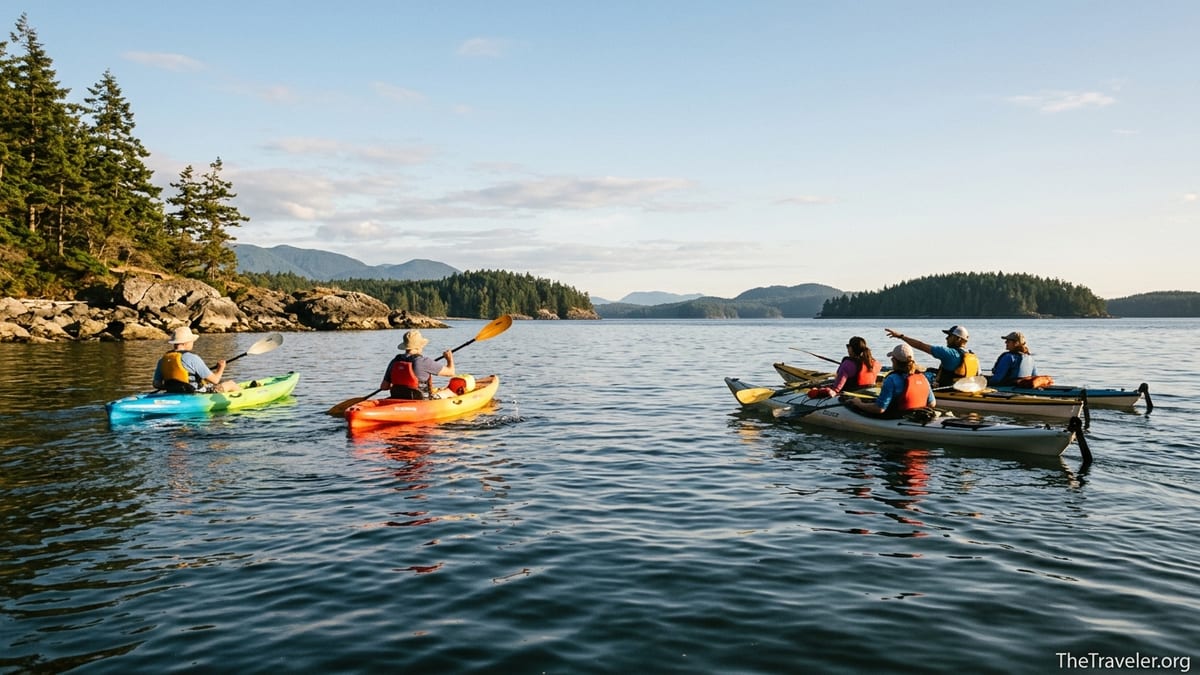
Guided vs Self Guided: What Each Experience Really Feels Like
On a guided kayak tour, you join a small group led by a trained guide who sets the route, handles safety briefings, and usually shares local stories and natural history along the way. In Seward, Alaska, for example, half day guided trips into Resurrection Bay typically include hotel pickup, dry bags, all gear, and a guide who knows how to read the bay’s changing wind and swell. You spend your time paddling and looking for sea otters instead of worrying about navigation or tide charts.
A self guided rental is closer to borrowing a bike. A rental shop outfits you with a kayak, paddle, and life jacket, perhaps a basic map and a short orientation, then you launch on your own. In a place like a sheltered Midwestern lake or a lazy section of river, that might mean two or three relaxed hours of stopping where you want, taking photos, or pulling up on a sandbar for a snack without keeping pace with a group.
The day to day feel is different. Guided tours move on a schedule and usually stick to a set route. You pause where the guide decides, keep a group pace, and finish at a planned time because shuttle pickups or tide windows demand it. Self guided rentals give you total freedom within a defined area and rental period. That freedom can feel liberating if you are confident, or stressful if you are not used to planning on the water.
Most destinations offer both styles. In bioluminescent bays in Florida or Puerto Rico, outfitters run nightly guided trips, while calm daytime mangrove tunnels nearby might be open to self guided rentals. Thinking in terms of how much structure you want, and how much responsibility you are comfortable carrying, is the best starting point.
Safety, Skills, and When a Guide Is Non Negotiable
Safety is the clearest dividing line between guided tours and self guided rentals. If you will be paddling in cold water, strong currents, open coastal areas, or at night, a guided trip is usually the safer choice and sometimes the only legal option. In the San Juan Islands in Washington, for instance, local paddlers often urge visitors not to attempt night bioluminescence trips on their own because the islands sit in the path of powerful tidal currents and busy boat traffic that can surprise newcomers.
By contrast, slow moving rivers with regular shuttle services, like many outfitted sections of the Ozarks or Upper Midwest, are commonly offered as self guided float trips. A resort might charge a flat per kayak rate for a half day run and run you upstream by bus so you can simply drift back to the take out. These trips are designed for beginners who can manage basic steering but do not want to track distances or deal with changing tides.
Your own skills matter as much as the location. If you have only paddled a handful of times on vacation, do not know how to perform a wet exit from a sit inside kayak, and have never watched a marine weather forecast, a guided trip on exposed water is the right call. Guides monitor marine VHF channels, scan the sky for squalls, and understand how local geography accelerates wind or funnel currents in ways that are not obvious from a map.
Self guided rentals fit best if you already feel at ease controlling a kayak, can turn efficiently, and are prepared to wear your life jacket properly the entire time. Even then, set some personal limits. For example, you might rent on your own for a two hour paddle on a protected bay in Florida but still book a guided tour for night bioluminescence or an exposed barrier island crossing where offshore winds could make returning difficult.
What You Actually Get for the Money
Costs are another practical difference. Across many U.S. destinations, simple self guided kayak rentals on lakes or easy rivers often run in the region of 20 to 40 dollars per hour for a solo boat, with discounts for longer blocks like a half or full day. On a quiet lake with a small dock side operator, it is not unusual to see one hour solo rentals around 25 to 30 dollars, including a paddle and life jacket.
Guided tours generally cost more but include more services. In parts of Florida around Tampa Bay, for instance, typical two hour self guided rentals of basic sit on top kayaks may fall in the 25 to 35 dollar range, while 2.5 hour guided mangrove or Shell Key eco tours often start around 70 to 80 dollars per person. Those guided rates usually cover interpretive guiding, safety support, and sometimes extras like dry bags or wildlife field cards.
In popular seasonal destinations, prices scale with demand and complexity. A half day guided sea kayak trip in a place like Seward can run into the low hundreds per person, in part because outfitters must hire qualified coastal guides, maintain cold water gear, and operate support boats or shuttles. Multi day expeditions in remote areas climb higher still, closer to what you would expect for a backcountry trekking tour.
Self guided prices vary with how independent the operation is. Some lakeside outfits now run largely self service systems where you reserve and pay online, then receive a code that unlocks a rack of kayaks and paddles at the water. The lower staffing costs help keep rental rates down. At the other end of the spectrum, destination shops that deliver kayaks to vacation rentals or private docks may charge delivery fees or minimum booking amounts for self guided use.
Destinations Where Guided Tours Shine
Some places are simply designed for guided experiences. Bioluminescent bays are a prime example. In Florida’s Space Coast lagoons near Titusville and in Puerto Rico’s famed Mosquito Bay on Vieques, night tours in clear bottom or standard kayaks usually run as guided groups. Operators time departures for the darkest parts of the lunar cycle, choose sheltered routes that keep the group within easy communication range, and brief guests on how to minimize disturbance to sensitive ecosystems.
The San Juan Islands offer another case study. Many visitors book evening or night guided trips from launch points like Friday Harbor to watch bioluminescent plankton light up each paddle stroke. Guides there not only pick the best coves based on that week’s tides but also steer around ferry lanes and commercial traffic. The consensus among many local paddlers is that visitors unfamiliar with the area’s fast currents should join a tour, especially at night or in shoulder seasons when conditions change quickly.
Cold water destinations also lend themselves to guided outings. In Alaska’s Resurrection Bay or Kenai Fjords region, guides bring dry suits or thick wetsuits, tow lines, and emergency communications, and build conservative routes that keep groups within safe distances of shore in case weather turns. For travelers who want to paddle near tidewater glaciers or along cliff lined fjords without needing full expedition skills, these guided trips are often the only realistic way to do it.
Finally, some urban or wildlife heavy waterways strongly encourage or require guided use to manage impacts. In certain manatee viewing zones or sensitive bird rookeries, local regulations limit where paddlers can approach, and guides act as both interpreters and crowd control. Booking a guided tour in these spots is less about personal competence and more about respecting local rules and fragile habitats.
Where Self Guided Rentals Make the Most Sense
On the other side of the spectrum, many lakes, reservoirs, and gentle rivers are ideal for self guided rentals. Family friendly resort areas in the Midwest and South, for example, often pair a campground or cabin complex with a fleet of sit on top kayaks lined up on a sandy beach. Guests pay a simple day or half day rate and are free to circle the cove, paddle to a nearby picnic area, or just drift while the kids jump in and out.
Calm coastal inlets and city waterways are another good fit for independent renters who have at least basic skills. On a sheltered bay in New England, you might rent a tandem kayak for three hours, follow a recommended loop around a few small islands, and be back in time for lunch without ever losing sight of shore. Urban riverfronts that are well marked and heavily trafficked by kayakers, such as some inner city harbors and park lakes, also tend to support quick self guided spins.
Self guided rentals are practical when you have strong preferences about pace and privacy. Photographers often choose to rent on their own for sunrise or sunset, when they may want to linger in one cove waiting for light rather than stick to a steady group rhythm. Couples looking for a quiet conversation, or parents wanting to let kids practice paddling without worrying about holding up strangers, sometimes find the looser structure of a self guided outing more relaxing.
The main rule is to match the independence of a self guided rental to the simplicity of the environment. If you can clearly see the shoreline, have obvious visual reference points, and are paddling in benign weather on warm water, a self guided rental can feel both adventurous and low risk. As soon as you add strong tides, complex channels, or night conditions, consider shifting up to a guided trip.
Questions to Ask Before You Book
Whether you are leaning toward a guided tour or a self guided rental, the questions you ask outfitters will shape your experience. Start with route details. For guided tours, ask how far you will paddle, how many breaks the group usually takes, and what happens if conditions change mid trip. A reputable operator should be able to describe alternate routes, minimum age or fitness recommendations, and typical group sizes.
For self guided rentals, focus on boundaries and backup plans. Ask where you are allowed to go, how they expect you to manage changing wind or currents, and how they handle late returns. On river trips, clarify whether the rental includes shuttle service, and whether there are notable rapids or strainers along the route. Shops that offer maps marked with hazards, recommended landing spots, and emergency phone numbers are usually thinking clearly about guest safety.
Cost transparency matters too. Before paying, confirm what the advertised price includes. Some operators fold taxes and basic gear into a single rate; others charge separately for dry bags, backrests, or delivery. On guided trips, ask whether gratuities for guides are customary and how far in advance you need to cancel for a refund. Many popular bioluminescence and wildlife tours now book out weeks ahead during peak seasons.
Finally, be honest with outfitters about your skills. If you describe your experience accurately, most good operators will steer you to the right product even if that means recommending a shorter tour, a tandem kayak instead of a solo, or a morning departure when winds are calmer. Treat their local knowledge as part of what you are paying for.
The Takeaway
Guided kayak tours and self guided rentals are not competing versions of the same experience. They serve different travelers, places, and comfort levels. Guided trips shine in complex or sensitive environments like bioluminescent bays, cold coastal fjords, and strong tidal channels, where trained guides turn potential risk into memorable, well framed days on the water. They cost more, but they bundle expert route choice, safety management, and local storytelling.
Self guided rentals, by contrast, are perfect for calm lakes, mellow rivers, and sheltered bays where you want the freedom to set your own pace. They keep costs down, work well for families and photographers, and give returning paddlers a sense of independent exploration. The key is to match the independence you want with conditions you can handle.
If you are brand new to kayaking, traveling with kids, or visiting a destination known for strong currents or night paddling, err toward guided. If you have a basic stroke, can read a simple map, and are heading for warm, flat water with clear shorelines, a self guided rental may give you exactly the flexible, unhurried day you are imagining. Either way, a bit of advance questioning, honest self assessment, and respect for local conditions will do more to shape your trip than any label on the booking form.
FAQ
Q1. Are guided kayak tours worth the higher price?
Guided tours usually cost more because they include trained guides, safety management, planning, and interpretation. They are particularly worth it in complex or unfamiliar environments, or when you want deeper insight into local wildlife and history rather than just transportation on the water.
Q2. How much experience do I need for a self guided rental?
For calm lakes and sheltered bays, basic steering and stopping skills are often enough, provided you wear a life jacket and stay within recommended areas. If you have never paddled before, or are nervous around water, start with a short guided outing or a beginner friendly lesson.
Q3. Can I safely kayak on my own in places with tides or strong currents?
It is possible only if you have experience reading tide tables, understanding local currents, and planning routes with conservative safety margins. Many visitors underestimate conditions in tidal channels and island archipelagos, so unless you have specific training, joining a reputable guided tour is usually safer.
Q4. What should I budget for a kayak outing?
In many U.S. destinations, expect roughly 20 to 40 dollars per hour for simple self guided rentals, with discounts for longer sessions. Short guided tours often start somewhere around the cost of a nice dinner out, and specialized trips in remote or cold water locations can be higher due to additional equipment and staffing.
Q5. Are night kayaking and bioluminescent tours suitable for beginners?
They can be, but they are best done with a guide. Darkness, boat traffic, and tides add layers of complexity, so beginners usually enjoy these trips most when they can focus on the glowing water while guides handle navigation, timing, and safety.
Q6. Should families with young children choose guided or self guided?
Families with small children often do better on shorter guided trips where an extra adult is watching group safety and knows how to adjust the route if kids become tired or cold. Self guided rentals can still work for older children on very calm water if adults are confident paddlers and keep distances conservative.
Q7. What questions should I ask a kayak operator before booking?
Ask about route length, expected conditions, group size, and age or fitness recommendations. For self guided trips, clarify boundaries, shuttle details, and what to do if weather changes or you return late. Also confirm what equipment is included in the price and whether reservations are required in peak season.
Q8. How do weather and water temperature influence my choice?
Cold water, rapid weather changes, or strong winds are signals to favor guided tours, because guides bring extra gear and have clear protocols for changing plans. Warm, shallow, and sheltered water in stable weather is far more forgiving, and a better match for self guided rentals if your skills are adequate.
Q9. Is a tandem kayak better than a solo for beginners?
Tandem kayaks can be excellent for beginners if one paddler is more experienced and can help steer, or if parents are paddling with children. However, tandems require coordination, so two first timers who struggle to sync strokes may be happier in separate solo boats on a guided trip.
Q10. How far in advance should I book popular kayak tours?
In busy seasons, especially for bioluminescent bays or wildlife hotspots, tours often sell out days or weeks ahead. As soon as you have fixed travel dates, book your preferred tour time, particularly for sunset or night departures, and review cancellation policies in case your plans change.