

Getting around Hawaii is rarely as simple as it looks on the map. The islands may appear close together, but vast channels, limited ferries and fluctuating flight schedules mean you need a plan long before you land. Whether you are dreaming of an island hopping adventure or simply want to reach the right beach at the right tide, understanding how transport really works in Hawaii can save you time, money and frustration while helping you tread more lightly on these fragile islands.
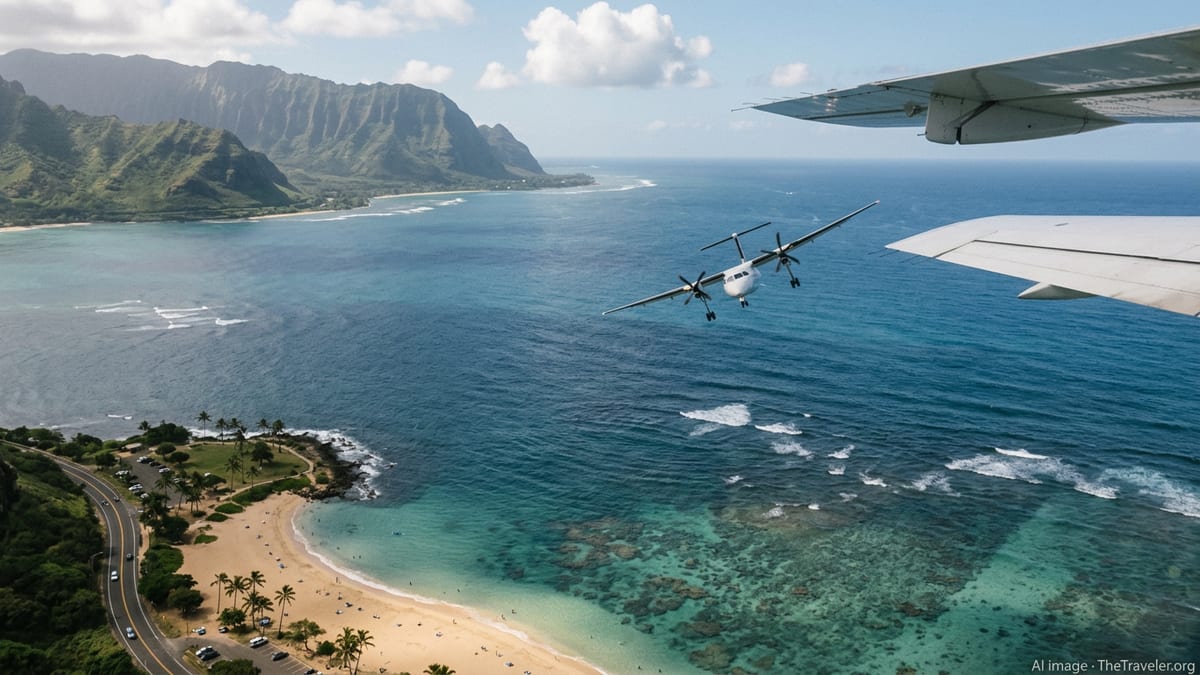
Understanding Island Hopping in Modern Hawaii
Visitors are often surprised to learn that there are no regular public ferries linking Hawaii’s main islands. Apart from small passenger ferries linking Maui with Lanai and, at times, Molokai, the only practical way to move between Oahu, Maui, Kauai and Hawaii Island is to fly. Interisland flights are short, usually under an hour, but they operate on busy schedules and can be more expensive than many travelers expect, especially during holidays and school breaks.
Most interisland trips route through Honolulu on Oahu, the state’s main aviation hub. Nonstop flights link Honolulu with Kahului on Maui, Lihue on Kauai, and Kona and Hilo on Hawaii Island. There are also some direct flights between neighbor islands that bypass Oahu, but these change frequently and often sell out fast on peak dates. Booking early, watching for midweek fares and being flexible with flight times can make a noticeable difference in cost.
Several airlines compete on these routes, and schedules have been trimmed and adjusted in recent years as carriers respond to demand and costs. Travelers who last visited Hawaii before the pandemic will find a different landscape, with fewer rock bottom fares and more dynamic pricing. It is wise to build realistic connection times into your itinerary rather than stacking tight interisland connections on the same day you arrive from the mainland.
Looking ahead, local officials and private companies continue to explore alternatives such as new ferry concepts and electric “seaglider” projects that would skim over the water between islands. These ideas are still in development and not yet options for visitors, but they signal an appetite in Hawaii for more varied, lower impact interisland transport in the future.
Flying Between Islands: Practical Strategies
Because flights are effectively the interisland highway system, it pays to approach them strategically. Start by deciding how many islands you genuinely have time to visit. Every additional hop comes with airport check in, security queues and the chance of delays. For trips of one week or less, many planners recommend focusing on a single island or, at most, pairing two that match your interests, such as Oahu and Kauai for beaches and hiking or Maui and Hawaii Island for snorkeling and volcano landscapes.
When you book flights, pay attention to which airport you are using on Hawaii Island, since Kona on the dry west side and Hilo on the wetter east side are a long drive apart. On Maui, most visitors fly into Kahului near the island’s commercial center, even if they are staying in resort areas like Kaanapali or Wailea. Try to schedule daytime flights, which are less vulnerable to disruption from afternoon weather patterns and give you a chance to enjoy views of the channels and coastlines from the air.
Luggage planning can make or break an island hopping itinerary. Each airline sets its own rules and baggage fees, and low base fares can quickly climb once you add checked bags or sports equipment such as surfboards and dive gear. Travel light, consolidate gear where possible and keep essentials like medications, swimwear and a change of clothes in your carry on in case of delays. Before your trip, check whether your accommodation offers beach gear, snorkels or chairs so you do not have to haul bulky items on and off multiple aircraft.
Finally, always leave margin in your schedule when connecting between an interisland flight and any time sensitive activity, such as a sunset cruise, guided hike or rental car pickup that closes early. A short hop across the channel may look simple on paper, but weather, mechanical issues or air traffic delays can ripple across the network. Arriving a few hours early is far less stressful than watching a prebooked tour sail without you.
Ground Transport on Oahu: Rail, Bus and Beach Access
Oahu offers the most varied and dependable public transport in the state, making it the easiest island to enjoy without a rental car. TheBus, Honolulu’s public bus system, runs extensive routes around urban Honolulu and out to many popular beach areas, including the North Shore. Services are frequent on main corridors, fares are relatively modest compared with rideshares and taxis, and the buses are widely used by residents. Visitors who plan to sightsee mainly in Honolulu, Waikiki and nearby beaches can often rely on buses with occasional rideshares.
Honolulu has also opened the first phase of its Skyline light metro line, a modern rail system linking the growing communities of West Oahu with stations closer to town. While the original vision of a rail link all the way into Waikiki and directly to the main tourist districts is still unfolding, Skyline already provides an alternative for travelers staying along the route or visiting friends and family in those neighborhoods. The rail system is integrated with TheBus, and both are overseen by city transportation officials.
Within Waikiki and downtown Honolulu, private trolleys and shuttles serve resort areas, shopping centers and major sights such as Pearl Harbor and Diamond Head. These services are tailored to visitors and can be convenient if you want a simple hop on, hop off experience, though they usually cost more than the regular bus. Rideshare services operate across Oahu and are practical for short hops to beaches like Ala Moana or for early morning surf checks when buses are less frequent.
Parking near popular Oahu beaches is often limited and tightly enforced, especially in densely built neighborhoods. If you do rent a car, factor in daily parking costs at your hotel and the possibility that you may need to arrive early in the morning to secure a legal parking space near smaller coves and surf spots. For many travelers who are focused on Waikiki and nearby attractions, a mix of walking, buses and occasional rideshares offers a more relaxed way to move between beaches without the stress of city driving and parking.
Getting Around Maui, Kauai and Hawaii Island
Maui, Kauai and Hawaii Island are more spread out and rural than Oahu, and that difference shapes your transport options. Public bus services exist on all three, but routes are limited and schedules are oriented toward residents commuting to work and school rather than tourists chasing sunrise hikes or late dinners. For most visitors, a rental car remains the most flexible way to explore these islands, especially if you plan to visit multiple beaches, trailheads or small towns in a single day.
On Maui, the Maui Bus system links the airport, Kahului, Wailuku and major resort areas such as Lahaina, Kaaanapali and Kihei. It is a useful, budget friendly choice if you are staying near a main route and do not mind a slower pace. However, buses may not run late into the evening, and reaching more remote beaches or the summit of Haleakala is not feasible by public transport. Similar limitations exist on Kauai and Hawaii Island, where island wide buses can be helpful for point to point trips but do not replace the independence of a car for beach hopping or exploring side roads.
Car rental availability and pricing on these islands can fluctuate sharply. Periodic shortages, vehicle recalls and holiday demand have led to periods when cars are in short supply or rates climb well above what visitors expect. Booking as early as possible is a wise precaution, particularly for peak periods such as the winter holidays and summer school breaks. Using reputable booking channels, reading the fine print on insurance and fees, and avoiding double booking with third party sites can protect you from unpleasant surprises at the counter.
Rideshare coverage outside the main towns and resort zones can be inconsistent. In some coastal areas around Kona, Kihei or Poipu, you may find cars readily available during busy hours, while rural areas and late nights can be a challenge. If you plan to rely on rideshares, ask your accommodation host or front desk how realistic that strategy is for your specific location, and always have a backup plan for early morning departures or late returns from the beach.
Beach to Beach: Smart Local Transport Choices
Within each island, the distance between your hotel and the beaches you want to visit will shape your daily transport choices. In dense resort zones like Waikiki on Oahu or Kaanapali on Maui, many beaches, shops and restaurants are clustered together, and walking along beachfront promenades or safe sidewalks is often the simplest and most pleasant way to move around. For short hops, hotel shuttles, trolleys or bikes can extend your range without adding traffic or parking stress.
On islands where resorts are strung along the coast and separated by stretches of open land, such as parts of Kauai’s east side or the Kona coast, having your own vehicle makes it easier to string together a day of snorkeling coves, surf breaks and scenic overlooks. When driving between beaches, always respect residential parking signs, avoid blocking driveways or narrow access roads and use official parking lots or legal roadside pullouts. Overcrowding and illegal parking have become flashpoints in several communities, and enforcement has increased.
Weather and ocean conditions can change quickly, especially on windward coasts. Building flexibility into your transport plans allows you to pivot if a chosen beach is hit by heavy surf, strong winds or heavy rain. Having a short list of alternative beaches facing different directions, and understanding how to reach them safely, means you can adjust on the fly rather than feeling locked into a single plan that no longer fits the conditions.
If you plan to visit beaches that require a hike or a steep access path, such as some secluded bays and tide pools, consider how you will get back to your accommodation safely at the end of the day. Trails can become slippery after showers, and mobile coverage is patchy in some valleys. Let someone know where you are going, travel with water and sun protection, and avoid ending the day far from the nearest road without a reliable ride lined up.
Booking Cars, Shuttles and Rideshares Wisely
Because transport is such a critical piece of any Hawaii trip, it is worth approaching bookings with care. For rental cars, rates can swing from affordable to eye watering depending on season, island and vehicle type. Early reservations are usually rewarded with better prices and choice of vehicle, and locking in a cancellable rate gives you flexibility if costs drop later. Be wary of deals that seem too good to be true from unfamiliar agencies or peer to peer platforms that might not offer the same customer protections as established companies.
Beyond daily rates, factor in taxes, surcharges and facility fees that are common at Hawaii airports. Some islands have introduced or proposed additional charges to fund road improvements or manage tourism impacts, which can add a few dollars per day. When comparing prices, consider total cost, including insurance you may need to buy if your personal policy or credit card does not cover rentals in Hawaii. Inspect the car carefully at pickup, documenting any existing damage, and return it with enough time to avoid late fees or missed flights.
Airport shuttles and shared vans can be a cost effective alternative if you are staying in a major resort corridor and do not plan to explore much beyond it. These services are usually booked in advance and operate on fixed routes, so they are best suited for straightforward transfers rather than spontaneous detours. Taxis are widely available at airports and in busy tourist zones but can become expensive for long distances or intertown trips.
Rideshares are convenient in urban Oahu and many visitor heavy areas across the islands, but they are not guaranteed everywhere at all times. Drivers may be scarce late at night, very early in the morning or in smaller communities. Before depending on rideshares to get to the airport or a remote tour departure, open the app at the same day and time earlier in your trip to see how many cars appear nearby. If the map looks empty, arrange a backup such as a prebooked taxi, private transfer or a rental car for that day.
Traveling Thoughtfully: Cultural and Environmental Considerations
Every choice you make about transport in Hawaii has ripple effects on local communities and fragile ecosystems. Traffic congestion, overflowing parking areas and noise near residential neighborhoods are daily realities for many residents. Choosing to walk, cycle or ride public transport when practical can ease that burden and offer a closer connection to the places you are visiting. On Oahu in particular, using TheBus or Skyline for city trips instead of driving alone can make your visit feel more grounded and less stressful.
Hawaii is also grappling with climate change impacts, from eroding shorelines to heightened wildfire risk. State leaders have passed measures that tie tourism revenues to climate adaptation projects and have set ambitious long term goals to reduce emissions from transport. As a visitor, you can support these efforts by consolidating trips, minimizing unnecessary island hops and considering fuel efficient or, where charging infrastructure allows, electric rental vehicles.
At the beach, thoughtful transport choices help protect coastal environments. Parking in designated areas instead of on dunes or vegetation preserves root systems that stabilize sand. Choosing established access paths rather than forging new shortcuts prevents erosion and protects native plants. Even small decisions, like rinsing sand and sunscreen off at showers before boarding a bus or rideshare, reduce the amount of debris and chemicals carried into vehicles and, eventually, storm drains.
Perhaps most importantly, be aware that many of the roads and beaches you travel to each day are also the corridors and gathering places for local families, workers and elders. Driving patiently, yielding to pedestrians, respecting posted quiet hours and refraining from blocking residential streets or beach access points are simple ways to show respect. In a place where tourism is deeply intertwined with daily life, considerate behavior on the road is as important as etiquette at a cultural site.
The Takeaway
Successful transport planning in Hawaii starts with understanding that the islands are connected more by air than by sea. Interisland flights take the place of highways, and there are no shortcuts by bridge or regular public ferry between the major islands. Accepting that reality allows you to design an itinerary that is realistic, with enough time for connections, luggage and the occasional weather delay.
Once you are on the ground, each island asks for a slightly different strategy. Oahu rewards visitors who embrace its buses, rail and walkable urban beaches, while Maui, Kauai and Hawaii Island often call for a rental car if you want to chase sunrise surf, hidden bays and remote trailheads. In all cases, the most satisfying experiences tend to come when you slow down, cluster your activities in one region at a time and resist the urge to cram multiple islands and long drives into a short stay.
Thoughtful choices about how you move between islands and between beaches can reduce costs, ease stress and lighten your impact on local communities and ecosystems. Plan ahead, stay flexible and treat transport not as a chore, but as part of the adventure. The flights, bus rides, scenic drives and shoreline walks you take will shape how you experience Hawaii as surely as any viewpoint or surf break.
FAQ
Q1. Can I take a regular ferry between the main Hawaiian islands?
There is currently no regular public ferry linking the four major islands. Apart from limited services to Lanai and at times Molokai, visitors typically travel between Oahu, Maui, Kauai and Hawaii Island by air.
Q2. How many islands should I visit on a one week trip?
For about seven days, focusing on one island or pairing two that match your interests is usually more enjoyable than rushing through three or four with frequent flights and unpacking.
Q3. Do I need a rental car on Oahu?
Not necessarily. In Honolulu and Waikiki, many visitors rely on TheBus, the Skyline rail line, trolleys, walking and rideshares. A car becomes more useful if you plan to explore the North Shore or more remote corners on your own schedule.
Q4. Is public transport enough on Maui, Kauai and Hawaii Island?
Public buses operate on all three islands, but routes and hours are limited and aimed mainly at residents. For beach hopping and visiting distant sights in a single day, a rental car usually offers far more flexibility.
Q5. When should I book interisland flights and car rentals?
Booking both as early as possible is wise, especially for holiday periods and school vacations. Early reservations often mean better prices, more schedule choices and less risk of sold out flights or vehicles.
Q6. Are rideshare services reliable across all the islands?
Rideshares work well in urban Oahu and many resort areas, but coverage can be patchy in rural regions and at very early or late hours. Always test availability in the app and have a backup plan for time sensitive trips.
Q7. How can I get between beaches if I do not want to drive?
In compact resort areas, walking, hotel shuttles, trolleys, bikes and short rideshare trips can link multiple beaches in a day. On more spread out coastlines, you may need to choose a smaller number of nearby beaches or consider a guided tour that includes transport.
Q8. What should I know about parking at popular beaches?
Parking can be limited and strictly enforced, particularly near residential neighborhoods. Arrive early, use official lots, avoid blocking driveways or narrow roads and respect any posted restrictions or time limits.
Q9. Are there more sustainable transport options in Hawaii?
Yes. Using public transport where available, walking in urban and resort areas, consolidating trips and considering efficient or electric vehicles where charging allows all help reduce your footprint while traveling.
Q10. How much extra time should I allow when flying between islands?
Plan to arrive at the airport at least 90 minutes before domestic interisland flights, and allow generous buffers when connecting to tours, cruises or onward flights so minor delays do not derail your plans.