


More news on this day
A freight train derailment in Bensalem Township, Pennsylvania, prompted a large hazardous materials response and temporary shelter-in-place orders on Tuesday, as emergency crews worked to secure several cars carrying flammable cargo near residential neighborhoods and busy commuter routes.
Get the latest news straight to your inbox!
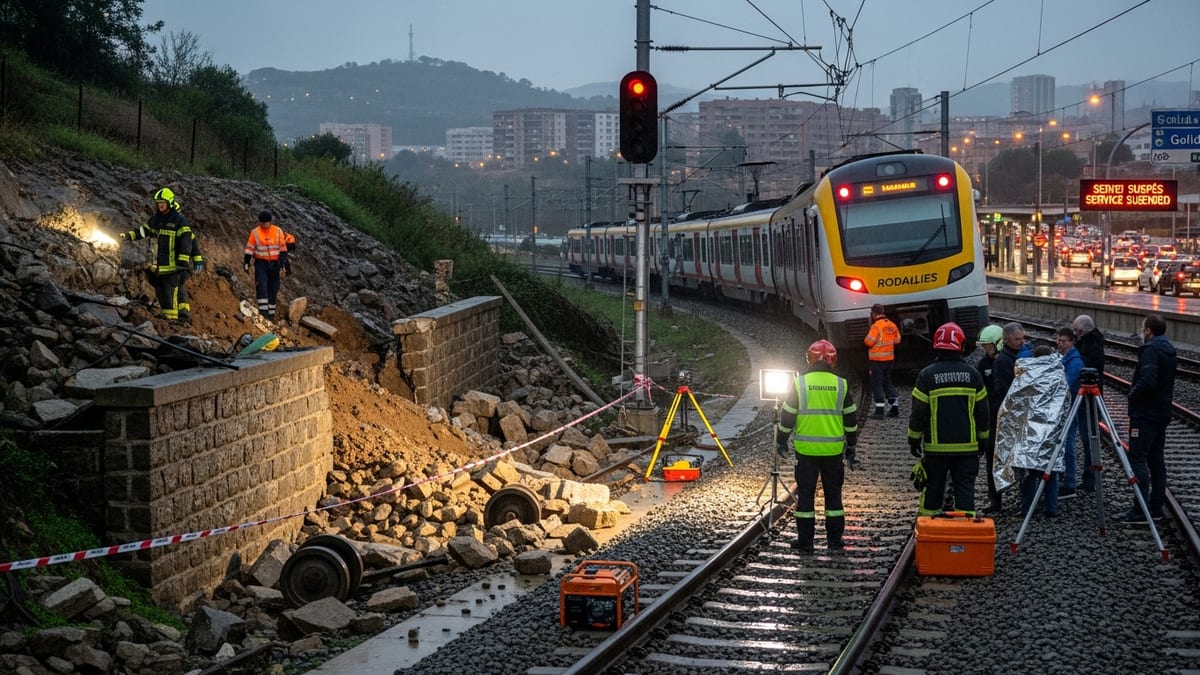
Derailment Near Bensalem Spurs Emergency Closures
Publicly available information shows that the derailment occurred on the afternoon of June 30, 2026, on a freight line running between Street Road and the Neshaminy Falls area of Bucks County. Coverage from regional outlets indicates that around a dozen or more railcars left the tracks, some tilting or piling up beside the right of way close to homes and local businesses.
Reports from the scene describe a rapid response from local fire, medical and specialized hazardous materials units, which converged on the corridor after initial alerts of a potential chemical release. Access roads around the tracks were blocked off, and rail traffic through the area was halted while teams moved in to assess the contents and condition of the derailed cars.
The incident unfolded near a busy suburban corridor used both by freight operators and, on separate tracks, by passenger services. According to published coverage, commuter rail operations in the vicinity were temporarily suspended or rerouted as a precaution, contributing to travel delays for residents returning home during the late afternoon and evening hours.
Initial images from the crash site showed multiple boxcars and tank cars off the rails, some resting at sharp angles. Early accounts highlighted concern that at least one of the affected tank cars was labeled as carrying a flammable liquid, prompting fears of fire, explosion risk and air quality impacts if a leak occurred.
Shelter-in-Place Orders and Hazmat Assessment
Local alerts reported that residents in parts of Bensalem and neighboring communities were urged to shelter in place shortly after the derailment as hazmat specialists worked to identify the substances involved. People living closest to the scene were advised to stay indoors, keep windows closed and avoid the rail corridor while air monitoring and visual inspections were underway.
According to televised and online reports, hazmat teams approached the derailed tank cars cautiously, using protective gear and detection equipment to check for leaks. Crews examined valves, relief devices and shell integrity on the tanks while firefighters established water supply lines and designated staging zones in the event a fire suppression effort became necessary.
By later in the day, coverage from multiple outlets indicated that experts on site had not detected any significant release of hazardous materials into the air or nearby waterways. Several reports stated that tank cars believed to be hauling isopropyl alcohol and other flammable products remained intact, reducing the immediate risk to surrounding neighborhoods.
As the situation stabilized, shelter-in-place and evacuation advisories were gradually lifted for most of the impacted area, though officials maintained traffic restrictions around the derailment zone. The cautious approach reflected heightened sensitivity in Pennsylvania and across the United States to freight incidents involving chemical cargo, particularly when they occur near homes, schools and commercial centers.
Impact on Travel and Nearby Communities
The derailment’s location near major commuter routes created ripple effects for local travel. According to regional transportation updates, nearby roads experienced lane closures as apparatus and staging areas spilled onto adjacent streets. Motorists were diverted away from the tracks, and some local businesses reported disruption as customers encountered barricades and detours.
Passenger rail riders also encountered delays. While early information suggested that the derailed freight train was operating on a separate line from regional commuter services, access for rail personnel and emergency crews led to temporary service suspensions in the corridor. Travelers were advised to seek alternate routes or prepare for extended journey times while the hazmat investigation and track inspections continued.
Residents posting on local forums described hearing loud noises and feeling vibrations as the train left the rails, followed by the steady arrival of fire engines, police vehicles and hazmat trucks. Others reported receiving emergency alerts on their phones advising them to remain indoors. For communities already familiar with national coverage of previous chemical train disasters, the prospect of a hazmat incident in their own neighborhoods sparked anxiety and calls for more detailed safety information.
Environmental monitoring remained a key concern through the evening. Publicly available information pointed to ongoing air sampling around the site and downwind of the derailment, along with checks of nearby drainage channels. As of the most recent updates, no significant contamination had been reported, but observers noted that crews were expected to remain on scene for days to complete cleanup and track repairs.
Rail Safety Debate Intensifies in Pennsylvania
The Bensalem derailment arrived as Pennsylvania continues to grapple with broader questions about freight rail safety and the transport of hazardous materials. The state has experienced several notable derailments in recent years, including incidents involving chemical cargo that prompted evacuations and lengthy environmental investigations.
Policy discussions in Harrisburg and Washington have increasingly focused on tank car standards, train length, track maintenance and real-time information sharing with first responders. Recent federal and state-level reports have highlighted the need for closer scrutiny of routes that carry high volumes of hazardous materials through densely populated areas, with particular attention to aging infrastructure and drainage structures that can contribute to track failures.
In light of those debates, the derailment in Bensalem is being viewed in the context of an ongoing national effort to strengthen resilience around rail corridors. Safety advocates point to the rapid hazmat mobilization and cautious protective measures as an example of how lessons from previous high-profile derailments are influencing on-the-ground responses.
At the same time, community groups and local officials are expected to seek more transparency about what substances were on board, how routing decisions are made and what long-term protections are in place for residents who live along freight lines. Questions are likely to focus on inspection frequency, automated detection systems and the resources available to local departments that are often first to arrive at complex hazmat scenes.
Investigation and Cleanup Efforts Underway
According to early summaries from transportation and safety agencies, investigators are beginning the painstaking work of determining why the freight train derailed. Typical lines of inquiry in such cases include examining track conditions, recent maintenance records, train speed, wheel and axle performance, and any reports of mechanical issues prior to the incident.
Specialists will also review the performance of the tank cars involved, comparing the condition of modern designs and retrofitted equipment with evolving safety recommendations. National investigations into earlier hazardous-materials derailments have underscored the importance of robust tank shells, improved pressure relief systems and more resilient fittings to reduce the likelihood of catastrophic releases.
On the ground in Bensalem, cleanup operations are expected to involve heavy equipment to re-rail or dismantle damaged cars, removal of debris from the right of way and careful handling of any remaining hazardous cargo. Rail operators typically drain or transfer flammable contents from affected tank cars before moving them, adding to the complexity and duration of recovery work.
The freight line will remain out of service in the immediate area until inspections confirm that track, ballast and signaling systems are safe to resume operations. For travelers and communities along the corridor, the derailment serves as a stark reminder of the risks attached to the movement of critical industrial materials, even as freight rail continues to be one of the primary modes for transporting chemicals across the country.