


More news on this day
Travel and Tour World has released a new ranking of the Top 30 Solo Travel Destinations in the Americas and Caribbean for 2026, spotlighting urban hubs, islands, and wilderness escapes that combine safety, accessibility, and community for travelers who prefer to go it alone.
Get the latest news straight to your inbox!
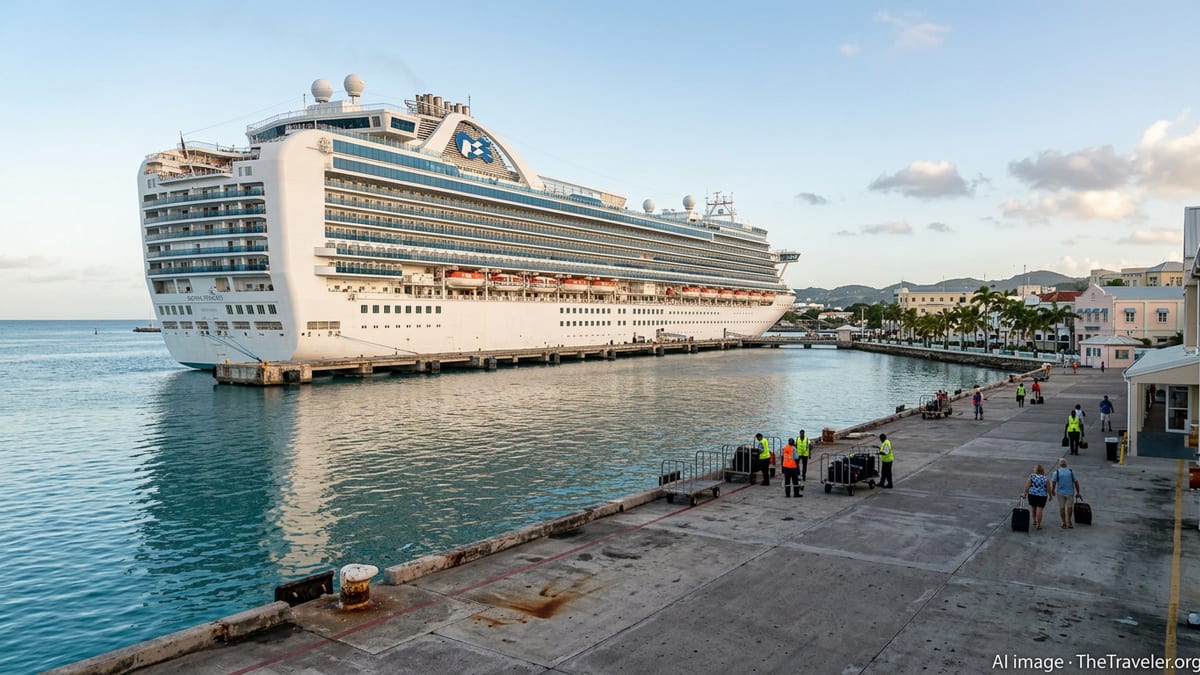
Safety and Ease of Access Shape the 2026 Solo Map
The new Travel and Tour World list aligns closely with broader safety and connectivity research in the region, reflecting growing demand from solo travelers for destinations that feel both secure and easy to navigate. Recent safety indices and industry reports highlight a corridor of comparatively low crime, strong institutions, and reliable visitor infrastructure stretching from North America through parts of Central and South America and into the Caribbean. This backdrop has pushed several lesser-known cities and islands into the 2026 solo spotlight.
Visa policies, air links from major hubs, and straightforward ground transport networks also play a clear role in the ranking. Destinations with frequent non-stop flights, clear public transport options, and established tourism support services are gaining an edge over more remote alternatives, even when those offer dramatic scenery or lower prices. For solo travelers, reduced transit friction often translates directly into trip confidence.
Digital connectivity remains another deciding factor. Cities and resort areas with reliable mobile coverage, coworking spaces, and a mix of budget and midrange accommodation are attracting long-stay solo visitors who combine work and travel. Several of the 30 picks are already popular with digital nomads, and 2026 trends suggest that overlap between solo tourism and remote work will continue to grow.
Travel and Tour World’s methodology, as outlined in its recent rankings and thematic reports, draws on editorial assessments of safety, cultural depth, experiential variety, and year-round appeal. The solo-focused list builds on earlier 2026 indexes for safety and wellness, adapting those findings to the needs of independent travelers.
Urban Icons Lead a New Solo Travel Circuit
Major cities across the Americas anchor the 2026 list, offering solo visitors the combination of culture, nightlife, and infrastructure that is difficult to match elsewhere. In North America, established favorites in the United States and Canada feature prominently, buoyed by dense museum and gallery districts, walkable historic neighborhoods, and dining scenes that encourage exploring alone. Publicly available information points to steady increases in urban tourism, supported by investments in transit, waterfront redevelopment, and cultural programming.
Several Latin American cities known for their creative energy and food culture also stand out. Visitor data and recent travel coverage portray these hubs as social, relatively affordable, and increasingly organized around events that appeal to solo guests, from film and literature festivals to street art tours and food markets. Many have upgraded airport facilities and introduced new flight connections aimed at North American and European travelers, making them more accessible for first-time solo visitors.
Crucially, the cities highlighted by Travel and Tour World tend to have defined tourism zones, a strong presence of licensed guides and tour operators, and a range of daytime and evening activities that do not require a companion. For solo travelers, this mix reduces the need for complex planning and supports a flexible, spontaneous style of exploration.
Industry observers note that these urban centers are also benefiting from a generational shift in travel behavior. Younger and mid-career professionals increasingly choose solitary city breaks that combine concerts, restaurant-hopping, and neighborhood walks with remote work schedules, and the destinations named by Travel and Tour World appear well-positioned to capture that demand.
Caribbean Islands Recast as Solo Retreats
The 2026 list underscores the Caribbean’s evolution from a primarily couples and family market into a region that actively courts solo travelers. Recent features and rankings from Travel and Tour World describe the Caribbean as a reset destination where wellness, outdoor activity, and cultural immersion converge. Islands traditionally associated with resort packages are diversifying into small-scale guesthouses, eco-lodges, and boutique hotels that welcome independent visitors.
Several Caribbean locations in the Top 30 are singled out for their balance of beach access, compact town centers, and organized excursions. Kayaking, hiking, heritage walks, and food tours can be booked on a day-by-day basis, which appeals to solo guests who value structure but prefer to avoid group itineraries. Clear safety messaging, visible visitor support services, and updated airport and cruise facilities further reinforce their appeal.
Pricing also plays a role. While some islands remain luxury-focused, others have emerged in recent Travel and Tour World coverage as relatively affordable for American and Canadian visitors, especially outside peak holiday periods. Competitive airfares, bundled transfers, and the rise of local-run accommodations give solo travelers more control over budgets, even in historically high-cost beach destinations.
Wellness is another theme that links Caribbean entries on the list. The publisher’s earlier 2026 ranking of wellness destinations in the Americas and Caribbean highlighted islands and coastal areas that combine spa offerings with yoga, hiking, and nature-based therapies. Many of those same places now appear in the solo ranking, indicating that independent travelers are seeking restorative experiences as much as social or nightlife-driven trips.
Nature, Wellness and Small-Scale Destinations Gain Ground
Beyond the major cities and well-known islands, Travel and Tour World’s Top 30 solo list brings attention to a set of smaller nature and wellness destinations across the Americas. Drawing on its recent wellness tourism ranking, the outlet notes that travelers are increasingly choosing mountain towns, lakeside communities, and rural retreats that provide structured outdoor activities alongside spa and mindfulness programs.
National parks, highland regions, and coastal reserves in North, Central, and South America are benefiting from this shift. Reports describe a rise in solo-friendly guided treks, small-group adventure tours, and lodge-based stays where guests can participate in hiking, cycling, or water sports by day and connect with other travelers in common areas at night. For people traveling alone, this model offers both autonomy and built-in social contact.
Accessibility remains essential even in off-grid settings. Many of the smaller destinations profiled in recent 2026 travel coverage are within a day’s journey of a major international airport or transport hub, reducing the logistical barriers that can deter solo visitors. Upgraded regional airports, improved road conditions, and new intercity bus and rail services are making it easier to combine urban stays with nature escapes in a single itinerary.
Environmental considerations are another factor. Travel and Tour World’s reporting highlights a growing overlap between solo travel and interest in low-impact tourism. Several destinations on the list are promoting conservation-focused excursions, locally owned accommodations, and community-based cultural programs, appealing to independent visitors who want their spending to support long-term sustainability.
What the Ranking Signals for Solo Travel in 2026
The unveiling of the Top 30 Solo Travel Destinations in the Americas and Caribbean for 2026 reflects a broader maturation of solo tourism from niche pursuit to mainstream travel segment. Industry data and traveler surveys point to a steady rise in people of all ages choosing to travel alone, whether for short breaks or extended stays, and the new Travel and Tour World list illustrates how destinations are adjusting their offerings to capture that interest.
For tourism boards, inclusion in such a ranking can reinforce existing marketing efforts around safety, inclusivity, and experience design. Many of the featured cities and regions have invested in multilingual visitor information, expanded nightlife and cultural calendars, and clearer communication about local customs and neighborhood dynamics, all of which support solo guests.
For travelers, the list serves as a curated starting point rather than a strict itinerary. The range of destinations, from large metropolitan centers to low-key island and mountain retreats, demonstrates that solo travel in 2026 is less about a single archetype and more about personal preference. Whether the priority is wellness, culture, nightlife, or outdoor adventure, the Americas and Caribbean now offer a spectrum of options that can be navigated confidently without a companion.
As airlines, accommodation providers, and local tour operators continue to refine products for independent visitors, observers expect solo travel demand in the Western Hemisphere to remain strong through 2026 and beyond. Travel and Tour World’s latest ranking suggests that the region’s mix of safety, connectivity, and experiential diversity will keep it at the forefront of this expanding global trend.