


More news on this day
With heat records falling across multiple continents and wildfire seasons lengthening, summer holidays are increasingly colliding with natural hazards that can ground flights, close resorts or trigger emergency evacuations. As travelers look to travel insurance for protection against these climate-driven shocks, the fine print of what is and is not covered is coming under sharper scrutiny.
Get the latest news straight to your inbox!
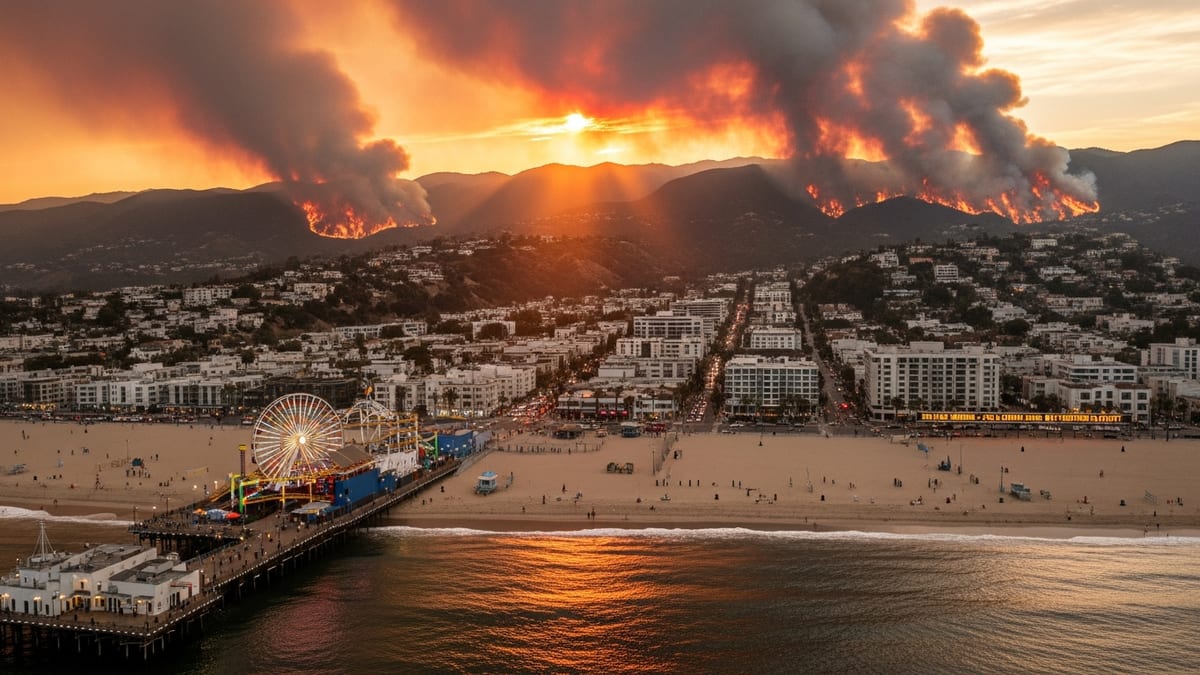
Rising climate risks meet a patchwork of protections
Recent seasons have brought an uptick in extreme heat and wildfire activity in popular tourist regions, from Mediterranean islands to North American national parks. World Weather Attribution analyses and other climate assessments indicate that many of the most intense recent heatwaves would have been highly unlikely without human-driven climate change, while international datasets show wildfire seasons becoming longer and more destructive in several regions.
Insurance and risk reports highlight that so-called secondary perils such as wildfire and heat are now major drivers of global losses, challenging traditional models that once viewed these events as more localized or rare. Industry overviews compiled in early 2026 describe wildfire and severe convective storms as key factors reshaping property and catastrophe coverage, and note that travel-related disruptions tend to spike in tandem with these events.
Against this backdrop, standard travel insurance policies have not fundamentally rewritten their structures, but climate pressures are exposing gaps that consumers may not have noticed when weather was more predictable. Comprehensive plans still exist, but the boundary between covered and uncovered climate-linked disruption often turns on definitions such as what counts as a natural disaster, when an event became "known" and whether a destination is deemed unsafe or simply unpleasantly hot.
Consumer advisories from regulators and comparison sites stress that travel insurance is designed to cover unforeseen events, not conditions that are foreseeable or already public knowledge when the policy is purchased. That distinction has become pivotal as forecasts, social media and official alerts make emerging heatwaves and fire conditions highly visible days or weeks in advance.
Trip cancellation and interruption: when wildfires and heat derail plans
Trip cancellation and interruption coverage is usually the first line of protection travelers look for when wildfires ignite near a resort area or an extreme heatwave undermines a planned itinerary. Industry guidance and policy summaries indicate that many comprehensive policies treat wildfires as a covered cause of cancellation if certain criteria are met, such as the destruction of booked accommodation, official closure of the property, or mandatory evacuation orders affecting the area.
Specialist travel insurance platforms that track claims trends report that wildfire-related cancellation benefits generally apply only if the policy was bought before the fire was widely reported or formally recognized by authorities. Once an insurer categorizes a blaze as a known event, new buyers typically cannot claim for losses arising from that specific incident. The same logic has been used for other disruptions, such as fuel shortages or large volcanic eruptions, where cut-off dates are publicly announced in policy bulletins.
For heatwaves, coverage is more limited and often indirect. Very high temperatures alone are seldom listed as a standalone cancellation trigger. Instead, benefits may be available when heat drives secondary consequences that are named in the policy, such as government advisories against travel, power outages that close hotels, or medical conditions that make it unsafe for a traveler to continue. Guidance from national insurance information services in the United States and Europe notes that travelers should not assume they can cancel purely because a destination is uncomfortably hot if no formal disruption has occurred.
Policy wording around natural disasters and severe weather remains central. Some insurers explicitly include wildfire in these definitions, while others refer more broadly to natural catastrophe or severe weather events that render accommodation uninhabitable. Comparison research published in mid 2026 on UK and US policy wordings points to growing variation in how far cancellation and disruption protections extend when a fire burns nearby but does not directly damage the property a traveler has booked.
Evacuations, closed attractions and the limits of disruption cover
Beyond outright cancellation, many 2025 and 2026 claims have involved partial disruption: resorts that remain technically open but are surrounded by smoke, national parks that close key trails, or island destinations where flights are operating but tourist infrastructure is strained. Publicly available advisory material from travel insurers explains that trip interruption and travel delay benefits may apply in these grey areas, but not in every case.
Where local authorities or property managers order an evacuation due to wildfire or an associated hazard such as smoke or poor air quality, some policies reimburse additional transportation and lodging costs to reach a safe location, up to a specified limit. Reports from consumer advocates and insurance regulators emphasise that travelers must often follow evacuation instructions and document their expenses in order to be eligible for reimbursement, as self-initiated departures without an order may fall outside standard wording.
Coverage is thinner when attractions close because of extreme heat rather than active fire. Advisories for European destinations, for example, note that closure of outdoor sites in peak afternoon heat or suspension of certain excursions may not on its own trigger a valid claim if core transportation and accommodation services are still available. In practice, many policies focus on complete interruption, such as cancelled flights or inaccessible lodging, rather than the degradation of the holiday experience.
At the same time, meteorological and catastrophe reports underline that compound events are becoming more common, such as heatwaves coinciding with power cuts or wildfires that cut off road access to resorts. These layered disruptions can create complex claim scenarios where only some elements of a traveler’s extra costs are reimbursed. Analysts suggest this trend is likely to intensify debates about whether current travel insurance products are fit for a more volatile climate.
Medical emergencies, heat illness and evacuation
Medical and emergency evacuation benefits remain among the most consistently defined features of travel insurance and play a critical role when heat and fire pose direct health risks. Health agencies and climate-health briefings published in July 2026 warn that extreme heatwaves are already linked with surges in heatstroke, dehydration and cardiovascular distress, particularly among older travelers and those with pre-existing conditions.
Comprehensive travel policies typically cover the cost of emergency treatment for heat-related illnesses that arise during a trip, subject to deductibles and exclusions for undeclared medical conditions. If a wildfire or smoke event exacerbates respiratory or cardiac problems and a traveler requires hospital care, these expenses may also fall under the medical portion of the policy rather than trip disruption benefits.
Emergency medical evacuation coverage can prove crucial where fires or heatwaves overwhelm local health systems or where infrastructure damage makes ground transport unsafe. Industry case studies involving wildfires in resort regions have highlighted the role of air ambulances or medically supervised transfers in serious cases, costs that can reach high five or six figures without insurance. However, public-facing explanations from insurers stress that such evacuations must usually be deemed medically necessary and arranged through approved assistance providers.
Travelers relying solely on domestic health coverage or reciprocal healthcare arrangements may find that transportation, repatriation and non-hospital costs linked to climate hazards are only partially reimbursed. This has prompted several consumer bodies and travel associations to renew calls in 2026 for clearer disclosures about what medical and evacuation protection travelers are forgoing when they decline optional insurance.
Known events, exclusions and the role of flexible add-ons
Across all these scenarios, one theme recurs in 2026 product guides and regulatory advisories: timing matters. Insurers increasingly publish cut-off dates after which a wildfire, storm or other disruption is treated as a known event and no longer insurable for new buyers. Public notices following recent large-scale events, including fuel supply disruptions and regional wildfires, highlight that travelers who purchased policies earlier generally retained coverage, while those who waited until warnings were widely circulated did not.
Standard exclusions also continue to limit recovery in climate-related cases. Policies often exclude losses arising from ignoring official warnings, travelling to areas under high-level advisories, or engaging in activities that fall outside normal tourism. Some explicitly rule out claims where a traveler cancels only because of anticipated poor air quality or high temperatures, in the absence of official restrictions or direct damage.
In response to growing uncertainty, more insurers are promoting optional add-ons such as cancel for any reason and interrupt for any reason coverage. Market analysis from travel insurance platforms suggests that these upgrades, while significantly more expensive and subject to lower reimbursement percentages, can offer partial recovery when a traveler decides not to depart after reviewing heat alerts, wildfire smoke forecasts or other evolving risks.
Policy reviews and climate insurance studies published in early 2026 argue that the rising frequency of heatwaves and wildfires is widening the gap between what travelers assume is covered and what traditional products actually insure. Until mainstream policies more fully integrate climate volatility into their core benefits, travelers are being urged by regulators and consumer organizations to read policy wording carefully, buy coverage early and treat insurance as one element of a broader risk management plan that includes flexible bookings, itinerary adjustments and close monitoring of local conditions.