


More news on this day
Travellers across several regions face a rapid shift from low-visibility fog to heavy rain and strong winds this weekend, as new weather watches reshape transport conditions on the ground and in the air.
Get the latest news straight to your inbox!
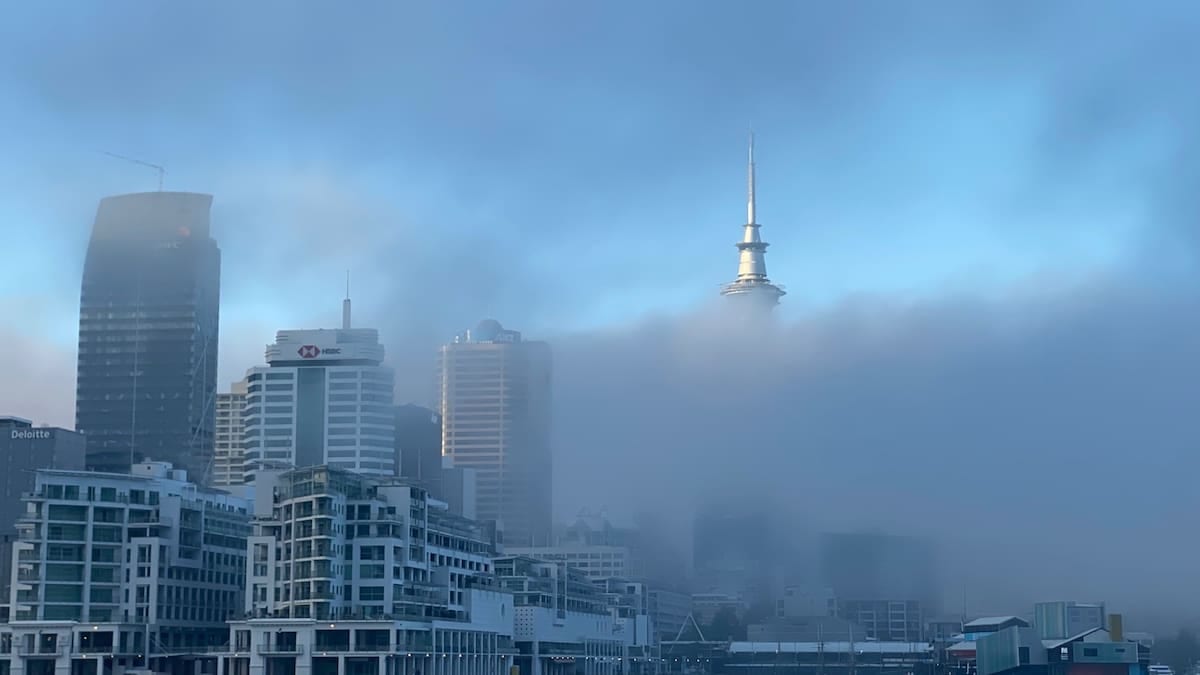
From Fog Delays to Wind and Rain Hazards
In recent days, lingering fog has hampered transport in multiple hubs, particularly across parts of the Mid-Atlantic and Northeast United States, where low cloud ceilings and poor surface visibility led to flight delays and slower highway traffic. Publicly available information indicates that in some locations, fog formed in the wake of earlier thunderstorms, with saturated ground and light winds allowing low cloud to settle over major corridors overnight.
As temperatures rise and pressure patterns evolve, that fog is giving way to a new phase of hazardous weather. Forecast discussions and broadcast coverage now highlight a growing risk of heavy downpours and strong, straight-line wind gusts tied to fast-moving storm systems. These conditions are expected to affect both coastal and inland travel routes, challenging airlines, rail operators and road users after a period dominated by visibility rather than wind-related issues.
Meteorologists tracking the pattern describe a classic warm-season setup in which thick morning fog and low stratus yield to unstable air, triggering thunderstorms later in the day. For travellers, that shift means less concern about creeping along in near-zero visibility and more attention to sudden squalls, crosswinds and surface flooding that can disrupt journeys with little notice.
The shift is particularly relevant for weekend and early-week travel, when holidaymakers, business travellers and major events all converge on the network. Across several large metropolitan areas, the combination of saturated ground from earlier rain and incoming gusty storms raises the risk of downed branches, ponding on runways and temporary closures of exposed bridges or ferries.
Strong Wind Watches Stretch Across Key Travel Corridors
New and ongoing weather watches across parts of the Midwest, Mid-Atlantic and Northeast United States point to strong wind gusts as a primary concern, with some forecasts emphasizing the potential for damaging straight-line winds rather than isolated tornadoes. In metropolitan regions from Chicago to New York and Washington, reports indicate that recent storms have already produced gusts above 40 miles per hour, with higher values recorded in the most intense cells.
High wind alerts issued in recent days around the Chicago area, for example, have referenced the possibility of gusts strong enough to affect high-profile vehicles and commuter rail operations. Published coverage from local outlets notes that such winds have coincided with heavy rain bands, leading to scattered tree damage and power interruptions that can cascade into broader transport delays as signals, station lighting and traffic management systems are temporarily knocked offline.
Farther east, recent severe thunderstorm watches for the Washington corridor and the wider Mid-Atlantic have highlighted wind gusts of 60 to 70 miles per hour as a key hazard. Reports describe the risk zone stretching along major interstate routes, an alignment that puts highway traffic and intercity bus services in the path of the most intense weather. For aviation, strong crosswinds and rapidly changing wind shear profiles can prompt holding patterns or diversions, especially at busy hub airports.
In the Northeast, including the greater New York City region, local weather briefings indicate that extreme heat and high humidity have primed the atmosphere for storms capable of producing damaging wind gusts and hail. Regional broadcasters have stressed that even short-lived squall lines can deliver abrupt shifts in wind direction and speed, making conditions challenging for ferry services, rooftop attractions and tall construction cranes in densely built urban cores.
Heavy Rain Raises Flood and Runway Ponding Risks
Alongside the wind threat, heavy rain remains a central concern for travel planners and passengers. In parts of the central United States and Great Lakes region, earlier storm complexes brought widespread downpours, with some communities recording more than an inch of rain in a short period. Subsequent forecasts point to additional rounds of showers and storms that could repeatedly pass over the same locations.
Where soils are already saturated, even moderate new rainfall can trigger rapid runoff, filling roadside ditches, overwhelming storm drains and creating standing water on key thoroughfares. Aviation-focused outlooks note that heavy rain bands crossing airport approaches can reduce visibility abruptly and create ponding on runways and taxiways, which in turn increases braking distances and may require temporary spacing of arrivals and departures.
In the Mid-Atlantic and parts of the Southeast, weather alerts in recent evenings have cited the potential for localized flash flooding, especially in urban areas with limited drainage capacity. Travel coverage from regional outlets in North Carolina and Texas describes storms capable of producing intense bursts of rain that coincide with peak commuting periods or major outdoor events, complicating both personal travel and mass transit operations.
Internationally, similar themes are emerging in selected locations. In northern Europe earlier this year, a series of storms combined heavy precipitation with strong winds, prompting rail cancellations and road closures. While the current focus for travellers is on North America, these past episodes underscore how quickly a mix of heavy rain and wind can degrade conditions across transport networks, particularly in coastal and riverine areas.
Impact on Air, Rail and Road Travel Plans
The evolving pattern from fog disruption to rain and wind hazards is reshaping travel advice across multiple regions. Airlines are signaling continued potential for weather-related schedule adjustments, particularly in hubs that sit beneath active storm tracks. When thunderstorms line up along frontal boundaries, operations can face staggered ground stops, extended taxi times and diversions that ripple through the wider network well beyond the immediate impact zone.
For rail operators, strong crosswinds and saturated ground create a different set of challenges. Reports from the Midwest and Northeast highlight instances of trees and large branches falling onto tracks or overhead lines after earlier storm events. Even when damage is limited, inspections and clearance work can slow or temporarily halt services, with knock-on effects for long-distance and commuter passengers.
Road travel remains especially sensitive to the combination of heavy rain and wind. Publicly available safety guidance emphasizes that hydroplaning risk increases sharply where water pools on the roadway, particularly at highway speeds. Strong gusts can also push high-sided vehicles off course, while debris blown from roadside trees and construction sites may obstruct lanes with little warning.
For travellers planning cross-regional itineraries, the most significant complication is the changing nature of the hazard over time. Morning departures might be affected primarily by residual fog and low cloud ceilings, while afternoon and evening journeys risk encountering thunderstorms, squall lines and localized flooding. This variability encourages a more flexible approach to departure times and routing decisions, especially for those with tight connections.
What Travellers Should Watch in the Coming Days
Looking ahead, forecast discussions suggest that heat and humidity will continue to fuel episodic rounds of storms across parts of the United States, with strong winds and heavy rain remaining recurring themes. In some cities, a temporary break in storm activity over the weekend may be followed by renewed thunderstorm chances as fresh frontal boundaries sweep in.
Travelers are being encouraged, through airline advisories and local news segments, to monitor short-range forecasts closely on the day of departure rather than relying solely on multiday outlooks. High-resolution radar and near-term forecast products can provide a clearer picture of whether a specific route is likely to intersect with active storm cells or remain on the margins of the activity.
For those heading to or from coastal destinations, particular attention should be paid to marine forecasts, as strong winds can lead to choppy seas, ferry cancellations and restrictions on smaller craft. Inland, the key concern is often the timing of storm initiation relative to rush hour or evening event schedules, since even brief downpours and wind bursts can create outsized disruption when roads and stations are crowded.
While conditions vary widely across regions, the overarching message for travellers is that the atmosphere remains unsettled, and that the transition from fog-related delays to hazards from heavy rain and strong winds is well underway. Building additional time into connections, staying alert to operator updates and remaining flexible with routing can all help reduce the impact of these evolving weather watches on upcoming journeys.