


More news on this day
Hundreds of flights were canceled or delayed at Boston Logan International Airport as a powerful storm system swept through New England, snarling air travel for thousands of passengers and adding to an already turbulent summer for flyers in the Northeast.
Get the latest news straight to your inbox!
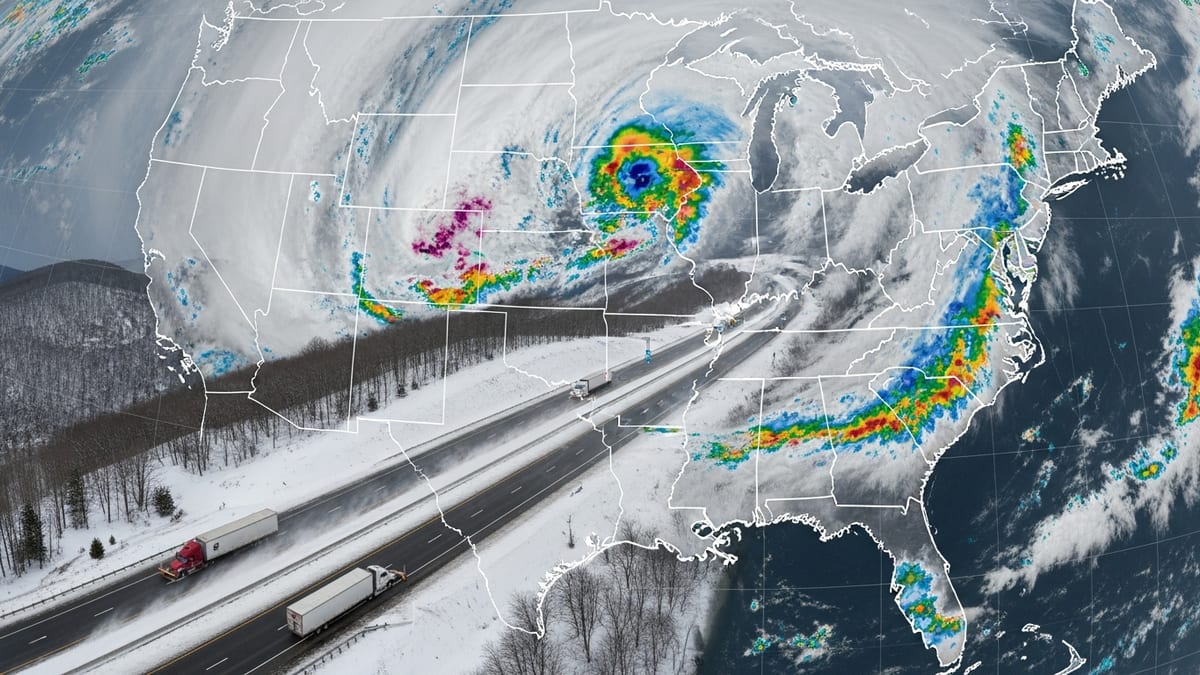
Weather System Batters New England Air Travel
Publicly available weather data show a strong frontal system moving across the Northeast, with heavy rain, gusty winds and low cloud ceilings converging on the Boston area. Those conditions typically force air-traffic managers to slow the rate at which aircraft can safely land and take off, triggering ground delays that ripple through the system. At Logan, the storm coincided with one of the peak travel periods of the week, magnifying its impact on operations.
Published coverage and live flight-tracking boards indicated that hundreds of arrivals and departures at Logan were either delayed or canceled as the storm intensified over eastern Massachusetts. Airlines reduced schedules in advance on some routes, but the combination of fast-changing weather and busy summer traffic still produced long queues of aircraft waiting for takeoff slots and waves of cancellations when conditions deteriorated.
The disruption at Logan formed part of a broader pattern across the Northeast, where major hubs have seen repeated bouts of heat-driven thunderstorms and low-pressure systems since early July. When storms cluster over key corridors such as Boston, New York and Washington, even a few hours of reduced capacity at multiple airports can leave carriers struggling to reposition aircraft and crews for days.
Images and video from the terminal showed crowded gate areas and departure boards dominated by red and yellow status lines, underscoring how quickly a localized weather event can cascade into large-scale disruption at one of New England’s primary transportation gateways.
Hundreds of Flights Affected at Logan
According to airport status summaries and flight-tracking data, Logan saw hundreds of flights impacted over the course of the storm, with cancellations mounting through the afternoon and evening as conditions worsened. The pattern mirrored earlier winter and spring weather events in which Boston’s main airport has experienced heavy operational strain when strong systems park over the region.
Several carriers cut frequencies on short-haul routes along the congested Northeast corridor, where thunderstorms and low visibility can make it challenging to keep tightly scheduled shuttle flights on time. Longer-haul services were not immune either, with some transcontinental and international departures pushed back for hours while airlines waited for safe departure windows or incoming aircraft.
Travelers reported missed connections, last-minute gate changes and rolling delay estimates, a common sequence when storm cells repeatedly move through a metropolitan area. While some flights eventually departed after extended waits, others were scrubbed outright as duty-time limitations for flight crews approached and overnight maintenance and staffing constraints came into play.
The scale of the disruption at Logan placed it among the nation’s hardest-hit airports during the storm period, reflecting both the severity of local weather and the facility’s role as a major connecting point for New England and Atlantic Canada.
Stranded Passengers Face Long Lines and Limited Options
Passengers attempting to depart Boston during the storm encountered long security queues, crowded customer-service desks and overtaxed phone and chat systems as they sought alternative arrangements. Reports from social media and local coverage described travelers camping out in terminal seating areas, charging phones at crowded outlets and monitoring departure boards for any sign of improvement.
Rebooking proved difficult on many routes because weather-related events across the broader region had already filled remaining seats. When a large wave of cancellations hits in the middle of a busy travel period, the next available confirmed seat can be several days away, particularly on leisure routes or flights that operate only once or twice a day. Some passengers opted to reroute through secondary airports or switch to rail and bus services for shorter trips.
Airport staff and airline ground crews contended with the dual challenge of managing irate crowds and working in wet, windy ramp conditions that slow basic tasks such as loading baggage and towing aircraft. Publicly available information shows that airlines activated standard disruption responses, including waivers allowing customers to change flights without additional fees on affected dates and routes.
For travelers, the chaotic scenes at Logan underscored how quickly a journey can unravel when disruptive weather coincides with already tight airline staffing and aircraft utilization, leaving little margin for error in complex daily schedules.
Summer of Operational Strain for Northeast Carriers
The latest storm-related upheaval at Logan adds to a string of difficult weeks for airlines operating in and out of Boston. Since the beginning of July, carriers across the Northeast have contended with a succession of convective storms, high heat and localized infrastructure issues that have driven up both delays and cancellations.
Publicly available airline performance data and passenger accounts suggest that some carriers have been particularly exposed because of aircraft and crew positioning in Boston and nearby hubs. When one heavily used aircraft or crew rotation is disrupted by weather at Logan, knock-on effects can spread to multiple subsequent flights around the network, compounding the impact of each storm event.
Industry analysts note that high summer demand, lean staffing models and tight turn times at busy airports leave limited resilience when multiple weather systems affect the same region in quick succession. Logan’s geographic position on the New England coast makes it especially vulnerable to frontal boundaries and coastal storms that can linger over the area, resulting in repeated ground stops or flow-control measures.
This latest episode reinforces concerns aired throughout the season about the fragility of Northeast air travel during peak months, as weather patterns that might previously have produced modest delays now translate into widespread disruption when layered on top of already stressed operations.
What Passengers Can Expect in the Coming Days
Forecasters indicated that the most intense phase of the storm would pass relatively quickly, but residual effects on airline schedules are likely to persist beyond the immediate weather window. Once a large bank of flights is canceled or heavily delayed, aircraft and crews must be repositioned, and overnight maintenance checks rescheduled, before operations can fully normalize.
Travel experts recommend that passengers departing Logan in the next several days monitor flight status closely, sign up for airline alerts and build extra time into connections, especially when traveling through other weather-sensitive hubs along the East Coast. With many flights operating near capacity, travelers seeking same-day alternatives may find options limited, particularly on popular leisure routes.
Publicly available guidance from airlines also urges customers to use digital tools for rebooking and to consider voluntary changes when severe weather is forecast, taking advantage of travel waivers before disruption peaks. Those with flexible plans may improve their chances of a smoother journey by shifting to early-morning departures, which historically have a greater likelihood of leaving on time before afternoon storm activity builds.
For now, the storm’s impact at Boston Logan serves as a reminder that even brief bouts of severe weather can have outsized consequences in one of the country’s most congested air corridors, leaving travelers and airlines alike bracing for further volatility as the summer travel season continues.