


More news on this day
United Airlines has postponed the launch of a new route at Tri-Cities Airport to October 2027, extending the timeline for expanded connectivity at the regional hub and prompting questions about how national capacity constraints are shaping small-city air service.
Get the latest news straight to your inbox!
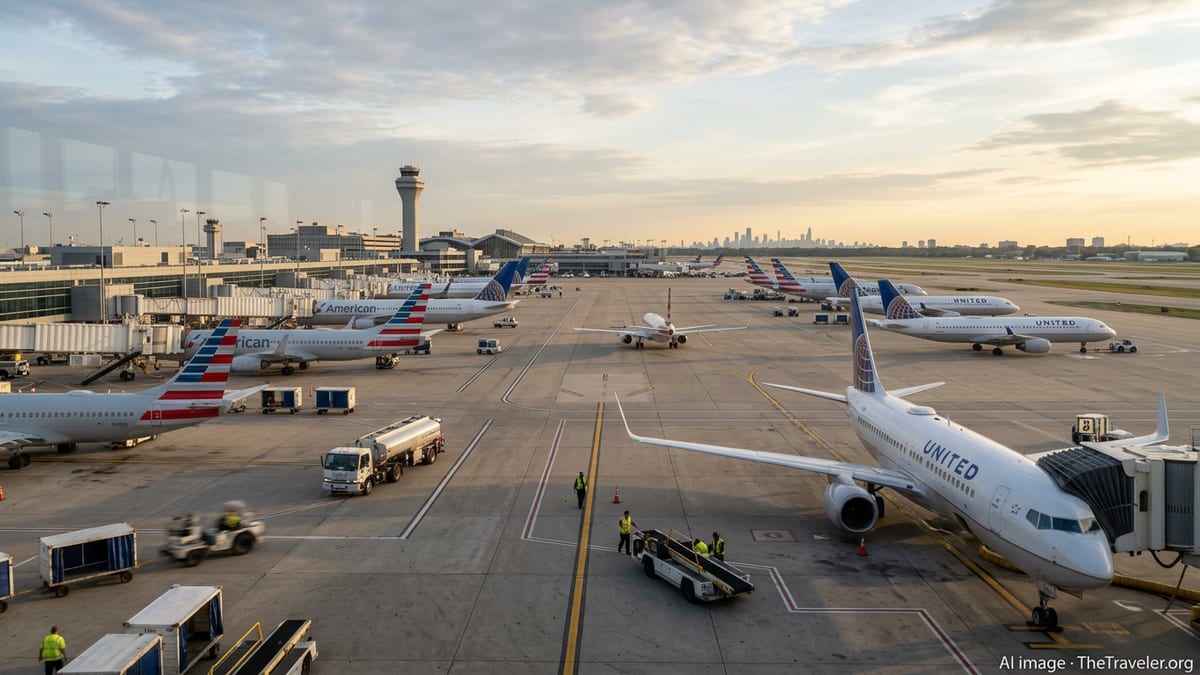
Planned service pushed back nearly a year
The new United Airlines service at Tri-Cities Airport, which had been expected to begin much earlier, is now slated for an October 2027 debut according to recent schedule updates and airport information. The change represents a significant delay for the long-anticipated route and alters expectations for both business and leisure travelers who had been counting on additional options.
Publicly available information indicates that the service, originally targeted for a much closer start date, has been quietly moved out on the calendar rather than canceled outright. That distinction matters for the airport and the communities it serves, since a postponed launch still suggests long-term confidence in the market, even as the near-term outlook is clouded by broader operational pressures.
While exact timetable details may continue to shift as airlines finalize forthcoming seasonal schedules, current indications point to October 2027 as the working start window for the new flight. Travelers who had been planning around the earlier launch now face a prolonged period of relying on existing carriers and routings to reach major hubs.
Capacity limits at major hubs ripple into regional markets
The delay comes at a time when airlines across the United States are adapting to tighter capacity rules and operational constraints at major airports. Federal air traffic management measures, including caps on certain departures and arrivals at congested hubs, have been widely reported as affecting how carriers structure their networks, particularly at smaller spoke airports.
In this context, Tri-Cities Airport’s postponed United route fits into a broader pattern in which network planners prioritize guaranteed, high-yield flying at primary hubs before committing aircraft and crew to new regional routes. When large airports operate under tighter limits on daily movements, airlines often respond by deferring marginal or experimental service, even in communities that have shown steady demand growth.
Reports and public commentary on capacity reductions at pivotal connecting airports highlight that these constraints are intended to stabilize operations and reduce cascading delays during peak periods. For regional airports, however, the immediate impact can be fewer new routes, slower restoration of pre-pandemic schedules, and a longer wait for long-promised additions such as Tri-Cities’ upcoming United flight.
Tri-Cities Airport traffic trends and airline mix
Tri-Cities Airport, which serves a multi-city catchment area, has been rebuilding and diversifying its air service with a mix of legacy carriers and low-cost airlines. Statistics released by the airport in recent reports show that passenger numbers have generally trended upward over the past several years, even as individual airlines have adjusted capacity and frequencies.
United is part of a competitive lineup of carriers at Tri-Cities that includes other national brands and leisure-focused operators. Recent airport statistics highlight how seat capacity and enplanements can fluctuate year by year based on schedule changes, aircraft gauge decisions, and the entrance or exit of specific routes. In that environment, the addition of another United-operated route remains strategically important, promising more one-stop access to domestic and international destinations once it eventually launches.
For the airport operator and local stakeholders, the delay shifts the timeline but not necessarily the trajectory. Planning documents and public data continue to emphasize development of air service and infrastructure to support future growth, including improved passenger facilities and runway-area projects designed to position the airport for long-term expansion.
Community impact and traveler adjustments
The revised October 2027 start date for United’s new flight will likely prompt many travelers in the Tri-Cities region to reassess their near-term plans. Instead of new nonstop or additional connecting options through United’s network, passengers will continue relying on existing airlines and routings, which may involve longer connections, higher fares at peak times, or limited schedule flexibility on certain days of the week.
Business travelers who had been anticipating more same-day connectivity to key corporate destinations may feel the impact most acutely. Additional nonstop or near-nonstop options often translate into greater efficiency for regional firms trying to maintain out-of-market client relationships or support travel to company headquarters. With the new United service now farther off, many of those corporate itineraries will remain tied to current hub routings offered by other carriers.
Leisure travelers and visiting friends-and-relatives traffic are also likely to notice the absence of the new flight, particularly during peak holiday and summer periods when remaining seats on existing routes can sell out quickly. Until the delayed service materializes, residents may continue driving to larger airports within a few hours’ radius when seeking more schedule or price flexibility.
What the delay signals for future small-city routes
The postponement of United’s new Tri-Cities Airport service illustrates how sensitive small-city route launches are to industry-wide constraints. Even when local demand metrics appear supportive, national-level considerations such as pilot availability, aircraft utilization, maintenance planning, and hub slot limits can reshape rollout calendars.
Analysts who track airline network decisions have noted that carriers are increasingly cautious about committing to new spoke routes without clear visibility into long-term operational stability. Under this approach, airlines sometimes choose to push back start dates by multiple seasons rather than launch a route that might face repeated schedule changes or early cancellation.
For the Tri-Cities region, the shift to an October 2027 target does not close the door on eventual growth, but it underscores that local aspirations are tied closely to national aviation dynamics. Travelers watching the situation can expect further schedule fine-tuning as airlines publish detailed timetables for the 2027 seasons, but current indications make clear that the wait for the new United service will extend well beyond the originally anticipated timeline.