


More news on this day
Days of intense rainfall have inundated large sections of Accra and the wider Greater Accra Region, forcing hundreds of water rescues, damaging key infrastructure and prompting renewed travel warnings for anyone planning to visit southern Ghana.
Get the latest news straight to your inbox!
Floodwaters Swamp Capital After Record June Rains
Published coverage indicates that heavy downpours that began late on Monday, 29 June 2026, quickly overwhelmed drainage systems in Accra, turning major roads into rivers and submerging whole neighbourhoods across the low-lying coastal city. Images and videos shared by local media show vehicles stranded in chest-deep water, shops and homes inundated, and residents wading through fast-moving floodwaters with their belongings held above their heads.
Reports from Ghana-focused news outlets describe the event as among the most severe flooding episodes of the current rainy season, following weeks of saturated ground and repeated storms across the coastal belt. According to public summaries of official data, Ghana recorded its highest nationwide monthly rainfall since 1995 in June 2026, and the Greater Accra Region has been one of the hardest-hit areas.
Regional reports indicate that at least a dozen people have lost their lives in flood-related incidents in recent days, with casualties linked to collapsing structures, electrocutions and people being swept away by fast-moving water. Local rescue teams, supported by security services and municipal workers, have been moving through affected districts by boat and high-clearance vehicles to help residents trapped in homes, vehicles and workplaces.
Large parts of neighbouring Tema and peri-urban communities around the capital have also experienced severe flooding, adding to the humanitarian and logistical pressure. With soils already saturated and drains clogged by debris, further rainfall has quickly led to renewed flash flooding, complicating response efforts and heightening risks for those living near waterways, lagoons and poorly drained informal settlements.
Emergency Response and Evacuations Under Strain
Publicly available information from Ghanaian media shows that a multi-agency emergency response has been mobilised to deal with the crisis in and around Accra. Evacuation centres have been opened in schools, churches and community halls, offering temporary shelter for residents whose homes have been inundated or deemed unsafe.
Rescue operations have focused on some of the city’s most flood-prone suburbs, where informal housing lines major drains and waterways. Reports indicate that hundreds of people have been evacuated by boat and truck from submerged areas after water levels rose rapidly overnight. Crews have also been working to clear blocked culverts and remove debris from open drains to allow floodwaters to recede more quickly.
Despite these efforts, local coverage highlights that the scale of the flooding has stretched available resources. Damage assessments are still under way, but early indications from Ghanaian business and government sources suggest that several public institutions, including technology and administrative facilities, have suffered extensive water damage, disrupting services and digital operations.
Health and sanitation concerns are also mounting as floodwaters mix with household waste and effluent in densely populated neighbourhoods. Medical professionals quoted in Ghanaian media have warned of heightened risks of waterborne diseases in the coming days, especially in communities where potable water and sanitation infrastructure were already fragile.
Travel Advisory for Visitors to Ghana
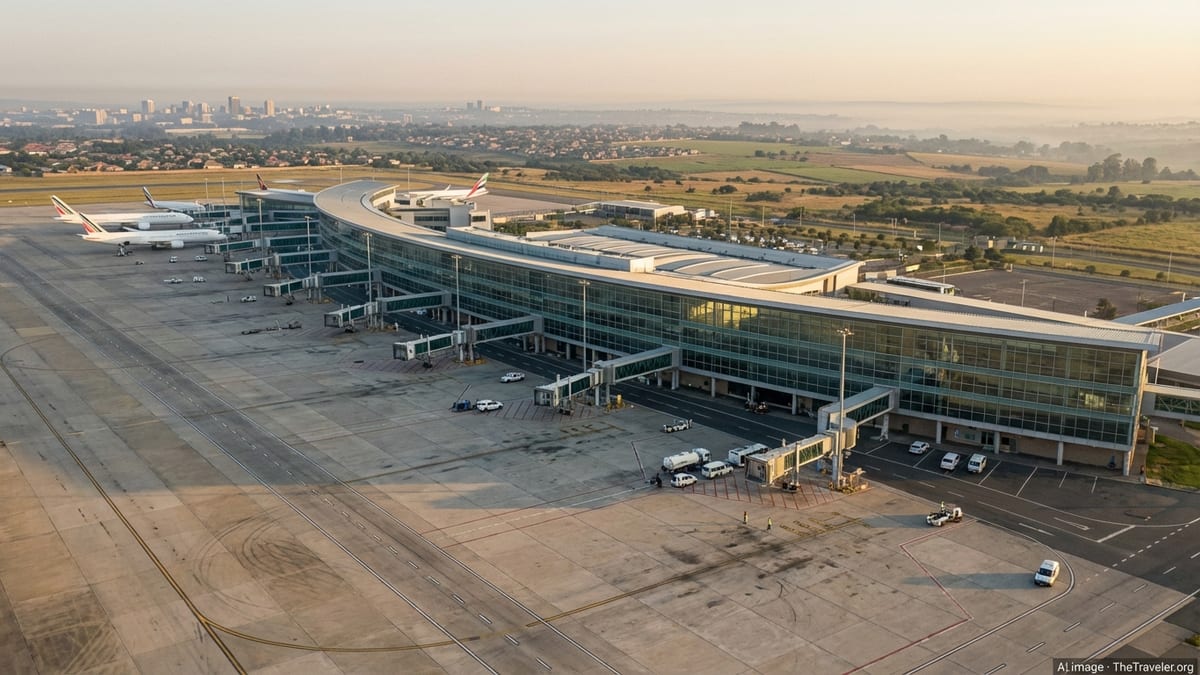
In light of the recent flooding, travel and aviation reports from the region indicate that visitors to Ghana, particularly those heading to Accra and other southern urban centres, should expect disruptions and exercise extra caution. While Kotoka International Airport in Accra continues to operate, access roads and surrounding neighbourhoods have experienced flooding, and travellers are being advised to allow additional time to reach the terminal and to monitor local updates closely.
Surface transport has been especially affected. Several of Accra’s key arterial roads, including routes linking the central business district, the Ring Road and the motorway corridor to Tema, have been partially submerged or blocked at various points, leading to traffic gridlock and delays in both public and private transport. Ride-hailing operators and intercity bus companies have reported route changes, cancellations and significantly longer journey times.
Travel industry bulletins recommend that visitors avoid driving or walking through floodwaters, which can conceal open drains, sinkholes and live electrical cables. Travellers already in the city are being encouraged to stay in higher, better-drained districts when possible, confirm hotel access conditions before moving, and keep contingency plans for extended stays if onward connections are disrupted.
Prospective tourists planning coastal itineraries that include Accra, Tema and low-lying beach communities along the Gulf of Guinea are being urged to check the latest local weather and road conditions before departure. Tour operators with programmes in southern Ghana are reviewing schedules, with some excursions rescheduled, rerouted to inland destinations or temporarily suspended pending safety assessments.
Forecast: More Rain Likely Over Coastal Ghana
The Ghana Meteorological Agency has issued a series of recent advisories warning of continued wet weather over southern Ghana, including the Greater Accra Region. According to published forecasts for the period from late June into early July, rain-bearing systems are expected to remain active over the coastal and forest zones, bringing further episodes of moderate to heavy rainfall, thunderstorms and gusty winds.
Impact-based outlooks cited in local coverage note that saturated soils, high river levels and already full drainage channels mean that even relatively short, intense storms could trigger new flash floods in vulnerable neighbourhoods. The meteorological service has advised residents and institutions in low-lying areas to remain alert for rapidly changing conditions, especially at night and in the early morning hours when some of the heaviest recent downpours have occurred.
Travel planners and airlines serving Accra are closely watching these forecasts, as additional storms could cause further delays to regional flights, road travel and coastal shipping. While major international services have largely continued, there is potential for temporary diversions, schedule adjustments or ground delays during the most intense weather periods.
Visitors with flexible itineraries are being encouraged by travel advisers and tour operators to consider building additional buffer days into their schedules, particularly if they are connecting through Accra to other destinations in West Africa. Those with essential travel are urged to remain in regular contact with their airline or carrier and to monitor broadcast and digital weather updates issued in Ghana.
Long-Standing Flood Risks Resurface
The latest floods have once again exposed Accra’s structural vulnerability to heavy rainfall, an issue that has recurred over many rainy seasons. Analyses in Ghanaian and international media point to a mix of factors, including rapid urbanisation, construction on waterways, inadequate solid-waste management and an overstretched drainage network, as key drivers of the city’s chronic flood risk.
Recent commentaries have highlighted that large numbers of homes and businesses have been built in natural floodplains and along channels that were designed to carry stormwater away from the city. When intense rain coincides with high tides, these systems can quickly become overwhelmed, causing water to back up into streets and residential areas. Blocked drains, often choked with plastic waste and sediment, further reduce capacity at critical moments.
In response to previous flood events, Ghanaian authorities have outlined plans for expanded drainage works, stricter enforcement of building regulations and the relocation of some high-risk settlements. Publicly available statements from infrastructure and interior agencies in June 2026 refer to accelerated desilting programmes, the rehabilitation of major storm drains and efforts to restore degraded wetlands that act as natural buffers.
The severity of the current flooding is likely to intensify calls from civil society groups, urban planners and residents for more sustained investment in climate-resilient infrastructure and stronger enforcement of planning rules. For travellers and tourism operators, the events of late June 2026 serve as a reminder that severe-weather risk is a central factor in planning visits to West African coastal cities, especially during the peak rainy months.