


More news on this day
Shelter-in-place and evacuation alerts have been lifted in Bensalem, Pennsylvania, after a CSX freight train derailed near the Neshaminy Falls area, prompting hazmat concerns and a temporary shutdown of roads and rail crossings in this busy corridor between Philadelphia and Trenton.
Get the latest news straight to your inbox!
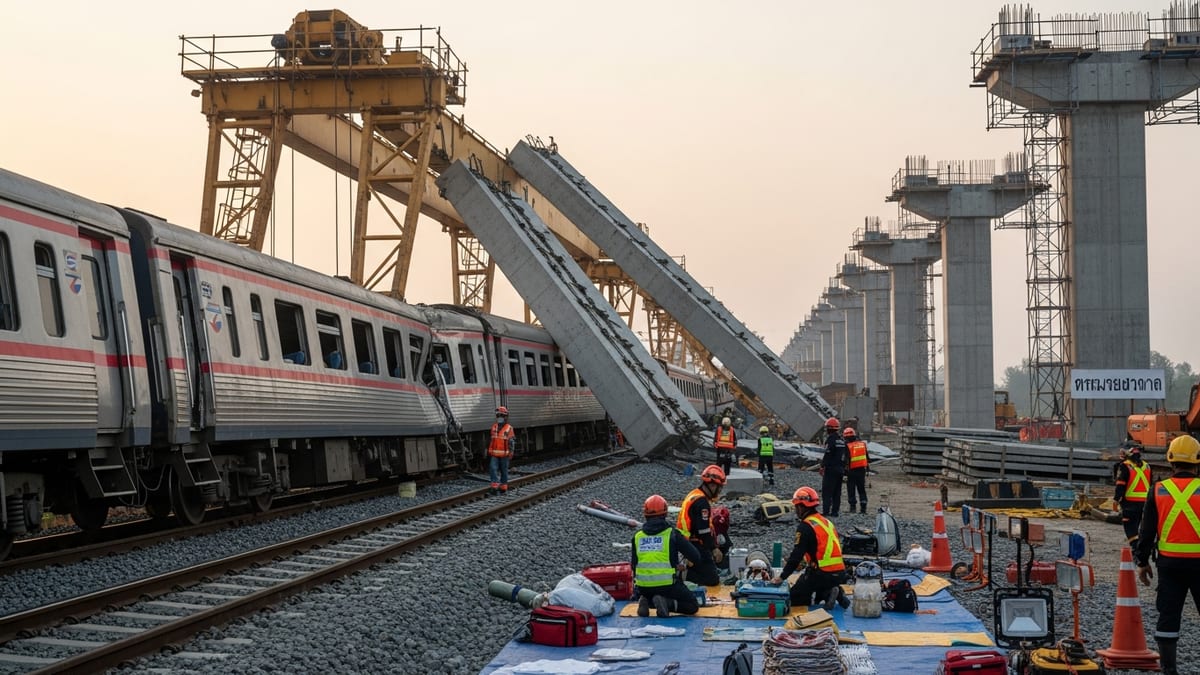
Derailment near Neshaminy Falls briefly halts travel
The derailment occurred on Tuesday, June 30, 2026, in Bensalem Township, Bucks County, on tracks running between Street Road and the Neshaminy Falls station. Publicly available information indicates that more than a dozen freight cars left the tracks shortly before 2 p.m., scattering across the right-of-way in an area bordered by residential neighborhoods, commercial strips and major commuter routes.
Reports describe the derailed train as a CSX freight consist traveling through the northeast rail corridor, a route that parallels key highways and commuter rail lines linking Bucks County with central Philadelphia. Local coverage notes that between 13 and 16 cars derailed, including several tank cars, which immediately raised concerns about hazardous materials and potential impacts on nearby homes and businesses.
Road closures and blocked grade crossings quickly rippled through the surrounding area. Drivers encountered congestion around Street Road and connecting arterials as emergency vehicles converged on the site, while residents reported delays for buses and increased traffic on smaller residential streets as motorists sought alternate routes.
Regional rail services that operate in the same general corridor experienced delays as dispatchers and rail operators assessed whether adjacent tracks or signal systems were affected. While long-distance passengers were largely unaffected, people traveling locally between Bucks County suburbs and Philadelphia faced longer transit times as trains reduced speed through the area and, in some cases, paused service during the initial response.
Hazmat response prompts shelter-in-place alerts
Concerns about possible hazardous materials triggered an immediate shelter-in-place directive for parts of Bensalem and neighboring Feasterville on Tuesday afternoon. Initial reports highlighted that the train was carrying mixed freight, including tank cars labeled for chemicals such as isopropyl alcohol, prompting hazmat protocols even before any leak could be confirmed.
Hazmat units, fire crews and specialized rail response teams moved into the corridor flanking the tracks, setting up air monitoring equipment and visual inspections around the derailed tank cars. According to published coverage, crews conducted repeated readings for flammable vapors and toxic gases while also checking drainage channels to ensure no contamination was entering nearby waterways.
Residents within the alert zone were advised to remain indoors, close windows and doors and avoid using outdoor ventilation systems until further notice. Travelers passing through the area described quiet streets, shuttered storefronts and police checkpoints guarding approaches to the tracks as the hazmat assessment progressed.
Within several hours, monitoring data and visual inspections indicated no evidence of a hazardous materials release. News reports from local outlets state that no leaks were detected from the tank cars and that soil and air samples around the derailment site did not show dangerous readings, clearing the way for emergency managers to lift shelter-in-place and evacuation advisories.
No injuries reported as cleanup shifts to long-term work
Despite the dramatic images of crumpled freight cars and twisted track, publicly available information indicates that there were no injuries among train crew members or nearby residents. This outcome has been repeatedly emphasized in regional reporting, which notes that the derailment took place in an industrial-adjacent stretch of track rather than immediately beside dense housing.
Once the immediate hazmat concerns were resolved, operations transitioned to a prolonged cleanup effort. Rail contractors began the process of stabilizing and re-railing salvageable cars, cutting up damaged rolling stock for removal and inspecting track infrastructure for warping or structural compromise. Heavy equipment, including cranes and specialized rail-mounted machinery, has been working in shifts to clear the site.
Travelers may continue to see slow orders and intermittent single-tracking in the vicinity as inspection and repair work continues. Freight traffic is expected to resume first, followed by a return to normal operating speeds once track geometry tests and signal checks are completed. For drivers, periodic lane closures near track crossings may persist as crews move equipment in and out of the work zone.
Local businesses closest to the derailment site are gradually resuming normal operations after short-term disruptions caused by access restrictions and the shelter-in-place directive. Many hotels, restaurants and retail outlets along nearby commercial corridors continued operating throughout the incident but reported a noticeable lull during the peak of the emergency response.
Travel and tourism impacts across Bucks County
For visitors, the derailment served as a reminder that Bucks County’s scenic byways and historic river towns are closely interwoven with one of the busiest freight and commuter rail networks in the United States. The incident occurred during the high summer travel season, when families head to regional attractions, parks and outlet shopping centers that cluster around the same transportation corridors.
Tourism bureaus and destination marketing groups in the Philadelphia suburbs have not reported major cancellations linked specifically to the derailment, but travelers arriving in the days immediately following the incident may encounter residual delays. Regional roads around Bensalem can experience atypical congestion at certain times of day as work vehicles and diverted traffic share the same routes.
Hotels serving the nearby casino complex, shopping centers and highway interchanges have remained open, though some guests have described longer-than-usual travel times from Philadelphia International Airport and central city rail stations during the hours after the derailment. Those planning overnight stays in the area are being advised through local media and travel advisories to allow extra time for transfers and to monitor traffic updates.
Popular day-trip destinations in Bucks County, including riverfront towns and countryside wineries, are largely unaffected, but travelers driving from the south or west may opt for alternate approaches that skirt the derailment zone. Using updated navigation apps and checking regional traffic reports shortly before departure can help minimize delays.
What travelers should know going forward
For rail passengers, publicly available information as of early July indicates that long-distance intercity rail through the greater Philadelphia region continues to operate, with only localized slow orders near the derailment zone until repairs are fully complete. Commuters and visitors using regional rail lines that parallel the freight route may experience occasional schedule adjustments or minor delays as track work continues.
Drivers passing through Bensalem and neighboring communities should remain prepared for short-notice detours around grade crossings while heavy equipment remains on site. Travel reports advise maintaining flexibility in routing between Philadelphia and destinations in Bucks County and southern New Jersey, especially during peak rush hours when even modest diversions can quickly back up traffic.
Air quality readings released through media coverage continue to indicate that there was no hazardous materials release. Nonetheless, some residents and visitors with respiratory sensitivities may choose to avoid lingering near the derailment site while cleanup operations continue to move soil and debris.
For those planning upcoming trips, current reporting points to a situation that is stabilizing, with emergency phases complete and the focus shifting to infrastructure repair and investigation. Monitoring local news and transportation alerts in the days ahead will help travelers navigate any remaining disruptions while still enjoying the region’s attractions during the peak summer season.