


Natural Habitat Adventures has built a stellar reputation for small-group wildlife trips, from polar bears in Churchill to pumas in Patagonia. The company partners with World Wildlife Fund and emphasizes conservation-focused itineraries, which attracts travelers who care about their impact as much as their Instagram feed. Yet even with a top-tier operator, guests still stumble over the same planning mistakes: misreading what a trip really involves, overlooking key fine print, or assuming every experience will match a glossy highlight reel. Understanding how Nat Hab actually works in practice can help you choose the right journey and protect both your budget and your expectations.
Get the latest updates straight to your inbox!
Confusing “Bucket List” Dreams With Realistic Timing and Budget
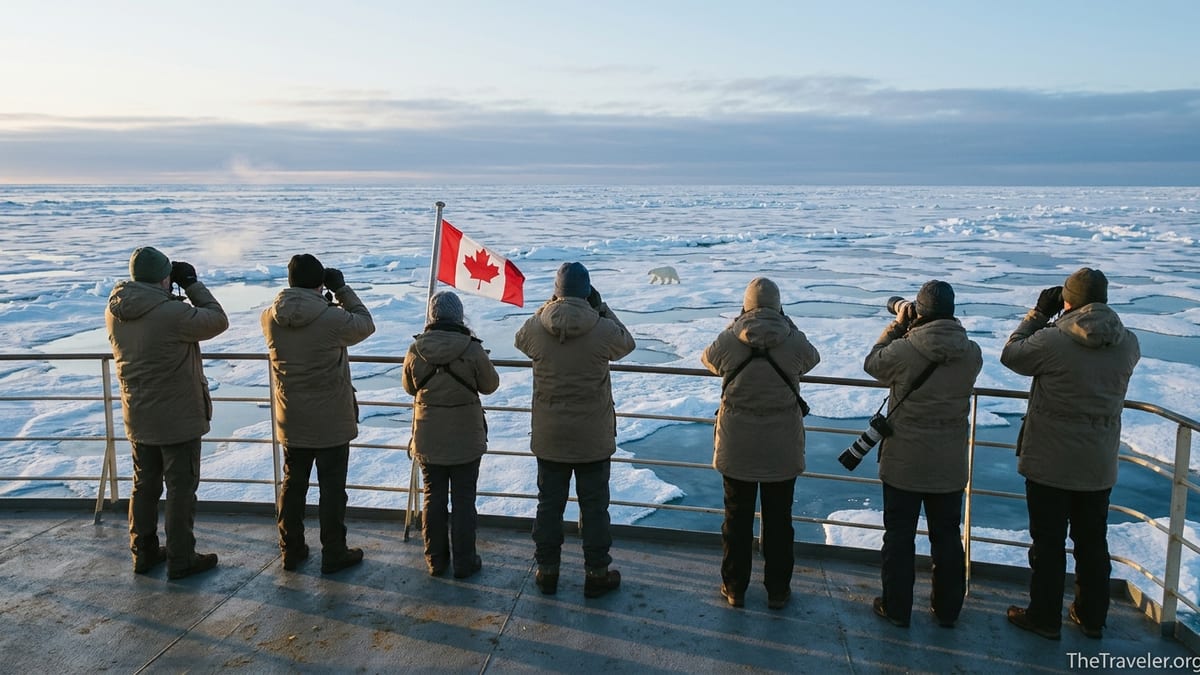
Many travelers arrive at Natural Habitat Adventures with a lifelong dream and a fixed year in mind, then try to force reality to fit. A common example is the classic polar bear season in Churchill, Canada. Those departures often sell out a year or more in advance and are priced at a premium level comparable to a high-end safari. Travelers who start looking six months ahead for the cheapest week in October are often surprised to find only waitlists or the highest priced remaining cabins. The same pattern plays out on Galapagos small-ship cruises and Botswana safaris, which are among Nat Hab’s most in-demand offerings.
Another mistake is underestimating the total trip budget by focusing only on the published land cost. A traveler might see an African safari priced in the mid-to-high four figures per person and overlook add-ons such as single supplements, internal bush flights, pre- and post-trip hotel nights and international airfare from North America that can easily add several thousand dollars more. When you include gratuities, optional excursions and gear such as cold-weather clothing for Svalbard or specialized camera equipment, the true cost can run 30 to 50 percent higher than the base brochure price.
Some guests also assume they can grab substantial last-minute discounts because they see aggressive sales from mass-market cruise lines or big bus operators. Nat Hab instead leans on small-group capacity, set departure dates and a conservation-driven model that does not rely heavily on fire-sale pricing. While you may occasionally find a limited-time promotion on a specific itinerary or shoulder-season departure, betting on a big discount for a specific peak-date trip often results in either overpaying at the last minute or missing out entirely. The more flexible you are on dates and destination, the more room you have to take advantage of those targeted offers.
Skimming the Fine Print on Deposits, Cancellations and Insurance
Travelers who are used to fully refundable hotel rates and flexible airline credits are often caught off-guard by the stricter rules that govern expedition-style trips. Natural Habitat Adventures, like most specialist operators, requires a nonrefundable deposit to confirm a reservation and applies a sliding scale of cancellation penalties as the departure date approaches. In practice, this means that canceling several months out can still cost you a portion of what you have paid, and canceling close to departure can result in the loss of most or all of your trip price.
Problems tend to arise when guests click through the booking process and accept terms out of habit without reading them. Complaints filed with consumer organizations and on public review platforms across the adventure travel sector often center on travelers who did not realize their deposit would be charged immediately or that “flexible” language did not equate to a free cancellation window. In one Better Business Bureau complaint involving a Nat Hab booking, the company pointed back to a clear statement acknowledging that a credit card would be charged once an adventure specialist reviewed the request, illustrating how important that short paragraph can be in real life.
Travel insurance is another area where rushing leads to regret. Because Nat Hab trips frequently combine remote lodges, small ships and charter flights, the company strongly encourages guests to protect their investment. Yet travelers sometimes purchase the least expensive policy offered through a comparison site without checking whether it covers pre-existing conditions, high-cost medical evacuation from remote regions or “cancel for any reason” flexibility. Later, if a family emergency, a mild illness or a nervous feeling about international travel prompts a cancellation that falls outside the policy’s covered reasons, the expectation of a full refund collides with the reality of partial or zero reimbursement.
The way to avoid these pitfalls is straightforward but requires discipline. Before you pay a deposit, read Nat Hab’s current terms line by line, note key dates when penalty levels increase, and ask specific questions by phone or email if anything is unclear. Then choose an insurance policy that matches your personal risk tolerance and the cost of your trip, even if that means spending more than the cheapest advertised premium. Treat the fine print as an essential part of the experience, not an afterthought.
Misjudging Activity Level, Climate and Comfort
Natural Habitat Adventures markets many trips as accessible to a wide range of reasonably fit travelers, but that does not mean every itinerary is light or leisurely. A traveler who chooses a Costa Rica or Costa Rica and Panama wildlife trip expecting primarily scenic drives and short strolls may find themselves on hot, humid hikes, boarding and disembarking small boats, and waking before dawn for prime wildlife viewing. Similarly, guests on the Kingdom of the Monarchs journey in Mexico spend time at elevations above 9,000 feet and often ride horses or hike steep trails to reach butterfly colonies. Those are not extreme expeditions, but they can feel demanding if your only frame of reference is a standard coach tour.
Climate also surprises many first-time guests. On a July Alaska adventure, for instance, you can experience cold rain, biting wind on glacier cruises and sudden sun within the same day. Travelers who pack as if they were going on a summer city break may end up buying last-minute layers in Anchorage or Juneau at resort-town prices. On winter departures to Yellowstone or Churchill, the difference between having proper insulated boots and gloves versus casual sneakers and knit mittens determines not just comfort but safety during long wildlife viewing sessions in subfreezing conditions.
Comfort expectations extend to accommodations and daily routines. Nat Hab generally uses intimate lodges, small ships and tented camps that fit its conservation ethos. While many are genuinely luxurious, especially on African safaris, others are best described as high-quality rustic. Someone booking a remote Patagonia or Arctic adventure expecting marble bathrooms and 24-hour room service based solely on an evocative hero image may react poorly to shared fire pits, simple furnishings and limited connectivity. Reading detailed trip dossiers, checking sample lodging names and asking how often you will be truly “offline” can prevent disappointment when you arrive.
Being candid with your adventure specialist about your mobility, medical concerns, and what you consider comfortable is not complaining. It gives the company the chance to suggest an itinerary that matches your reality, such as choosing a more leisurely Galapagos base-camp style trip instead of a constantly moving vessel, or a safari with more time in one or two camps rather than a complex circuit involving multiple flights and long drives.
Overlooking the Conservation and Partnership Context
Natural Habitat Adventures differentiates itself through long-term conservation partnerships. Since 2003 it has been the official conservation travel partner of World Wildlife Fund in the United States, supporting WWF’s mission and contributing a portion of its revenue to conservation projects. That relationship influences where Nat Hab operates, whom it hires and how it designs itineraries. Yet guests sometimes treat Nat Hab as interchangeable with any other upscale wildlife tour company and then wonder why certain options cost more or follow unusual routes.
For example, Nat Hab has been involved in journeys that support monarch butterfly conservation in Mexico’s Monarch Butterfly Biosphere Reserve and in initiatives that highlight jaguar and wetland protection in Brazil’s Pantanal. Choosing one of those trips is not just about seeing butterflies or big cats. A portion of your payment filters into local community partnerships, research support or habitat protection. Travelers who understand that context tend to view higher per-night prices or longer transfer times as part of a bigger conservation story, whereas those expecting a purely transactional vacation can feel they are paying extra for intangibles they did not ask for.
The same dynamic applies to Nat Hab’s relationships with like-minded organizations. Lindblad Expeditions, for example, is the majority shareholder in Nat Hab and brings its own long history of expedition cruising and environmental advocacy. Partnerships with institutions such as San Diego Zoo Wildlife Alliance and conservation groups that focus on pollinators or marine ecosystems often result in departures hosted by scientists, photographers or conservation leaders. For some travelers this added expertise is the main draw. For others, it feels like an academic layer they did not plan for when they just wanted a comfortable wildlife tour.
If conservation impact matters to you, ask specific questions about how your particular itinerary contributes on the ground: whether through funding, local hiring, carbon offset programs or low-impact infrastructure such as electric safari vehicles or zero-waste pilots. If your priorities are more experiential than philanthropic, it is still worth understanding the conservation framework so you can decide whether Nat Hab aligns with your values or whether a different style of operator is a better fit.
Comparing Apples to Oranges When Evaluating Other Operators
Travelers often look at a Nat Hab brochure price and then compare it directly to seemingly similar trips from large, mainstream companies or deeply discounted flash-sale platforms. On paper, a week-long Costa Rica itinerary that includes wildlife viewing and eco-lodges might appear thousands of dollars cheaper elsewhere. What is easy to miss is the difference in group size, guiding, and what is bundled into the price. Nat Hab prioritizes very small groups, often under a dozen guests, and invests heavily in specialist naturalist guides and local experts. Many lower-priced offers run with 20 to 40 people per bus, one generalist guide, and a more limited range of included activities.
It is also common to compare a Galapagos adventure aboard a small yacht or expedition vessel with a more generic cruise on a larger ship. Nat Hab’s trips usually feature low guest-to-guide ratios, flexible landing schedules designed around wildlife behavior and conservation guidelines, and included excursions such as snorkeling with naturalists or small-group hikes. A larger ship might offer shorter, more standardized shore visits with more people on each trail and less individualized attention. When you divide the per-person cost by the number of guided hours in the field, the gap often narrows considerably.
Another hidden factor is how much of the logistical heavy lifting the operator shoulders for you. Nat Hab tends to include airport transfers, internal flights, specialized gear such as parkas on polar trips, and most meals, especially in remote regions where independent dining is not practical. Some budget-friendly operators quote a low land-only price and then hand you a long list of “optional” transfers, equipment rentals and mandatory fees that you must add yourself. Comparing total trip cost door to door, including time, convenience and stress, yields a more accurate picture than focusing solely on the headline price.
That does not mean Nat Hab is always the right choice. In some cases a regional specialist or community-based operator might offer a more customizable experience at a better rate. The mistake is treating every nature-oriented itinerary as interchangeable and assuming that any price difference is pure markup rather than a reflection of small-group operations, conservation contributions and higher service levels.
The Takeaway
Natural Habitat Adventures occupies a specific niche in the travel world: high-touch, small-group wildlife trips designed with conservation at their core. The company’s long-standing partnership with World Wildlife Fund, recognition from outlets such as Outside Magazine and Travel + Leisure, and generally stellar guest reviews speak to how well it serves travelers who understand what they are buying. Most frustrations arise not because Nat Hab fails to deliver what it promises, but because guests did not fully grasp the implications of its model for their budget, comfort and flexibility.
To choose the right Nat Hab trip, start early, read closely and be candid about your needs. Match your fitness and climate tolerance to the reality of the itinerary, factor in the full cost including flights and insurance, and view conservation elements as part of the product rather than a vague afterthought. Ask detailed questions about lodging, group size, pacing and cancellation rules long before you pay a deposit. When you approach the process with the same care Nat Hab applies to designing its journeys, you are far more likely to step off the plane feeling that the experience was not only worth the price, but also aligned with your values and expectations.
FAQ
Q1. Is Natural Habitat Adventures worth the higher price compared with mainstream tour companies?
For many travelers, yes, as long as you value small groups, high-caliber naturalist guides and a strong conservation focus. When you factor in what is included, the guest-to-guide ratio and access to wildlife-rich areas that limit visitor numbers, the higher brochure price often reflects genuine added value rather than simple markup.
Q2. How far in advance should I book a Nat Hab trip to popular destinations?
For peak-season polar bear, Galapagos and top-tier African safari departures, plan to book 12 to 18 months ahead, especially if you want specific dates, cabin categories or private rooms. Shoulder-season and less well-known itineraries may have space closer in, but you still gain more choice and fare stability if you start planning at least nine months before departure.
Q3. What are the biggest financial risks if I have to cancel my trip?
The main risks are losing your nonrefundable deposit and, as you get closer to departure, a larger percentage of the trip cost under Nat Hab’s cancellation schedule. Because internal flights and small lodges are often prepaid, last-minute cancellations can mean very limited refunds. Robust travel insurance, ideally purchased soon after paying your deposit, can significantly reduce those risks, especially if it includes medical evacuation and optional cancel-for-any-reason coverage.
Q4. How honest should I be about my fitness level when choosing an itinerary?
You should be completely honest. Nat Hab staff use your descriptions to steer you toward trips that will feel rewarding rather than exhausting. If you understate mobility challenges or health conditions, you may end up on hikes that are steeper than you can manage, at elevations that aggravate existing issues, or on boats where boarding is more physical than you anticipated.
Q5. Are Nat Hab trips suitable for children and multigenerational families?
Some are, especially departures that Nat Hab designates as family-friendly and destinations like Alaska, Costa Rica and certain African safaris with shorter travel days. Others, such as remote polar expeditions or itineraries involving high altitude and long hikes, are better suited to adults and older teens. Discuss your children’s ages, interests and experience with long travel days before committing to a specific trip.
Q6. How important is it to understand Nat Hab’s conservation partnerships before I book?
Understanding the partnerships helps you make an informed decision about whether Nat Hab aligns with your values and expectations. Knowing that a portion of your trip cost supports projects connected to World Wildlife Fund or other conservation organizations can justify higher prices and help you choose itineraries where your presence has a positive impact on local ecosystems and communities.
Q7. Will I have reliable internet and phone service on most Nat Hab trips?
Not always. Many Nat Hab itineraries intentionally spend time in remote reserves, small islands or wilderness areas where connectivity is limited or intermittent. While some lodges and ships now offer Wi-Fi in common areas, you should be prepared for stretches of time where you are effectively offline and unable to stream, video call or handle time-sensitive work.
Q8. How can I accurately compare a Nat Hab trip with a less expensive alternative?
List out everything included in each option: group size, number of guided hours, internal flights, transfers, park fees, gear, tips and meals. Then consider guide credentials, conservation commitments and access to wildlife-dense areas. When you compare on a per-day, per-experience basis rather than just headline price, you will see more clearly whether a cheaper trip represents a true bargain or a very different product.
Q9. Do Nat Hab trips work for travelers who prefer more independent time?
They can, but you need to choose carefully. Many itineraries follow a structured daily rhythm to maximize wildlife viewing and manage logistics in remote areas. If you crave long, unscheduled afternoons or frequent opportunities to peel off on your own, discuss that preference with an adventure specialist so they can point you to trips and departures that allow slightly more flexibility within the group framework.
Q10. What one step would most improve my chances of having a great Nat Hab experience?
Having a detailed conversation with a Nat Hab adventure specialist before you book is the single most effective step. Share your budget, past travel experience, comfort thresholds and must-see wildlife priorities, then listen closely to their recommendations. Matching the right person to the right itinerary at the right time of year is far more important than chasing the lowest price or the next available date.