


Choosing between Heymondo and SafetyWing can feel like comparing apples to oranges. Both brands are popular with international travelers, but they are built for slightly different needs. Whether you are planning a two‑week vacation to Japan, a six‑month backpacking trip across South America, or a multi‑year digital nomad journey, the right choice can mean the difference between a smooth claim and a stressful, expensive emergency far from home.
Get the latest updates straight to your inbox!
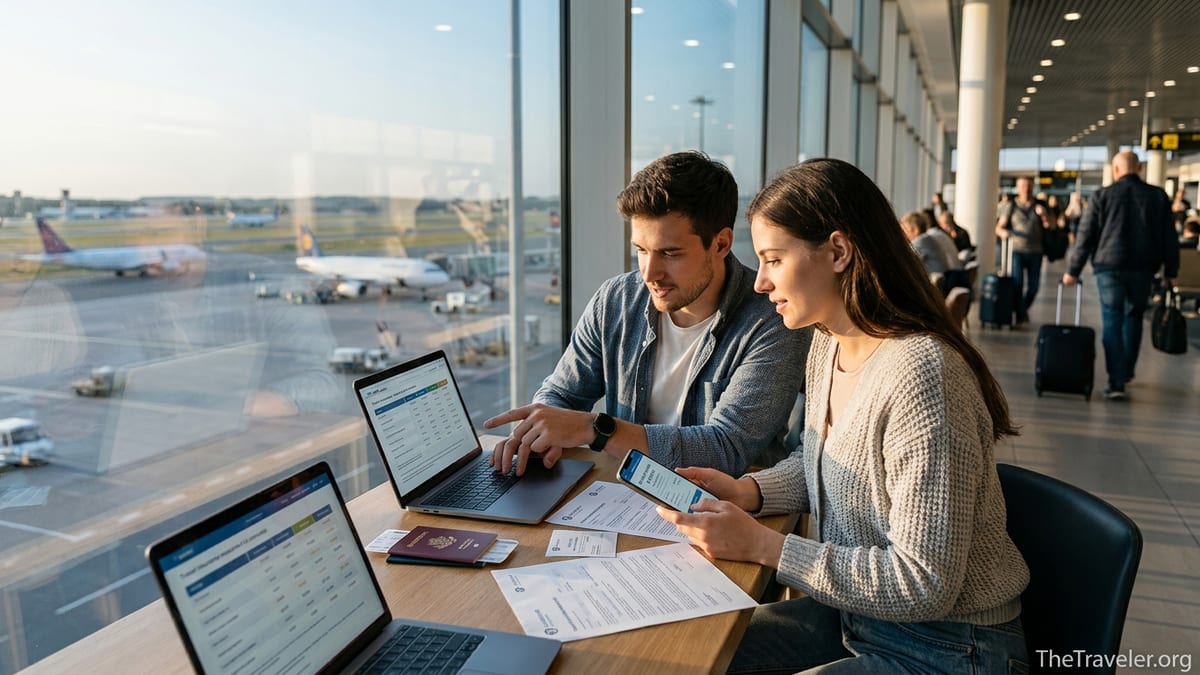
Heymondo vs SafetyWing in a nutshell
Heymondo is a traditional-style travel insurance built for single trips or short multi‑trip plans, with strong medical limits and solid trip protection. You choose your destination, travel dates and coverage level, then pay a one‑off premium for that specific trip. For example, a U.S. traveler taking a two‑week holiday to Italy might pay roughly the cost of a nice dinner out for a Heymondo plan that includes several million dollars in medical coverage, baggage protection and trip disruption benefits.
SafetyWing, by contrast, is designed primarily for digital nomads and long‑term travelers who are continuously on the move. Its Nomad Insurance works more like a subscription: you pay every 4 weeks and stay covered across multiple countries, often for months or years at a time. Recent public pricing for travelers in their 20s and 30s shows Nomad Insurance starting around the high‑50s to low‑60s U.S. dollars per 4‑week period for the Essential plan, with a medical limit of about 250,000 dollars and some basic trip protections.
Put simply, Heymondo usually offers higher medical limits and more generous trip protection for specific trips, while SafetyWing offers a more flexible, budget‑friendly solution for people traveling indefinitely. Which one is better depends heavily on how long you are away, where you are going, and whether you care more about trip costs or long‑term medical protection.
It is also important to note what neither provider is. Neither Heymondo nor SafetyWing is full, comprehensive private health insurance intended to permanently replace your home health system. Both are primarily built around emergency medical care while traveling, with varying levels of extras like trip cancellation, baggage coverage and evacuation.
Coverage highlights: medical limits, cancellation and extras
If you are comparing policies, the first thing most travelers look at is medical coverage. For high‑cost destinations such as the United States, Heymondo’s upper‑tier products for U.S. trips advertise medical coverage in the multi‑million‑euro range, with some plans marketed as offering effectively unlimited healthcare coverage for emergencies in the U.S. This kind of limit is designed to protect you if, for example, you end up needing surgery and several nights in a hospital in New York after a traffic accident, where bills can easily run into six figures.
SafetyWing Nomad Insurance’s Essential tier typically provides a medical limit of about 250,000 U.S. dollars per insured period. That is often enough for common emergencies in low‑ to medium‑cost countries such as Thailand, Mexico or Portugal. However, it can start to feel tight if you spend significant time in the United States, Japan or other very expensive healthcare markets, where a complicated hospital stay can approach or exceed that cap.
When it comes to trip cancellation, Heymondo offers dedicated cancellation products and optional cancellation add‑ons on many of its main travel policies. These can cover a wide range of reasons, such as a serious illness, the death of a close relative, being called for jury duty, or other specified events, with reimbursement up to a defined trip cost limit. A typical real‑world use case would be a couple who have prepaid several thousand dollars for a honeymoon in Bali; if one partner suffers a covered medical issue before departure, Heymondo’s cancellation benefit can help recover those non‑refundable payments.
SafetyWing’s Nomad Insurance is built with nomads in mind, so it includes more modest trip protection. You might find coverage for trip interruption in narrowly defined situations, like having to fly home urgently due to a close family member’s death, and some reimbursement for travel delays and lost checked luggage. But you will not generally find the kind of broad, high‑limit “cancel for many reasons” protection that a vacation‑focused policy such as Heymondo’s cancellation add‑on provides. If you have prepaid an expensive cruise or safari and want to insure those non‑refundable costs, Heymondo tends to be a more natural fit.
How pricing actually works for different types of trips
Price comparison between Heymondo and SafetyWing can be confusing, because they use very different models. Heymondo uses trip‑based, dynamic pricing that varies by destination, traveler age, trip duration and coverage level. You get a single quote that covers your entire trip. For instance, a 30‑year‑old traveler from Europe booking a three‑week trip to the United States might be quoted a premium that reflects both the high cost of American healthcare and the choice of a premium plan, with a discount if they accept a small deductible on claims.
SafetyWing’s Nomad Insurance charges a flat rate per 4‑week period, based primarily on age and whether you include U.S. coverage. A traveler in their early 30s without U.S. coverage might pay a figure in the high‑50s per 4 weeks for the Essential plan, renewed automatically until they cancel. Turning on U.S. coverage increases that price noticeably, reflecting the much higher risk and cost of claims there. For a nomad who spends most of the year in places such as Vietnam, Spain and Colombia, and only short stints in the U.S., leaving U.S. coverage off and buying a separate policy when visiting the States can be more cost‑effective.
In practice, this means that for a short, well‑defined trip of a few weeks, a Heymondo policy with generous medical limits and trip cancellation can sometimes cost roughly the same as two 4‑week SafetyWing payments, while often providing higher caps and broader coverage for that single trip. On the other hand, for someone traveling continuously for 9 or 12 months through multiple regions, repeatedly buying single‑trip policies from a provider like Heymondo can quickly become more expensive and administratively annoying than letting a SafetyWing subscription renew.
Real‑world example: a U.S. freelancer planning a 6‑month journey through Southeast Asia with no return ticket may find that a Heymondo quote for the full 6‑month block is substantially higher than paying SafetyWing every 4 weeks, especially if they exclude U.S. coverage. Meanwhile, a Canadian family booking a 10‑day ski holiday in Colorado with prepaid lift passes and resort accommodation might find that a single Heymondo plan with high U.S. medical coverage and robust cancellation is more attractive than subscribing to SafetyWing for one or two billing periods.
What kind of traveler is each brand best for?
Heymondo is usually strongest for travelers with clearly defined trips and a fixed return date. This includes classic vacations, short city breaks, backpacking trips of one to three months, gap years with known start and end dates, and family holidays where a lot of money is tied up in flights, resorts and tours. The ability to add powerful cancellation coverage, cover cruises, and secure very high or even unlimited medical limits in high‑cost destinations makes Heymondo especially appealing to people who want to insulate a specific trip from financial shocks.
For example, a family of four from the United Kingdom heading to Orlando for a two‑week theme park vacation might prioritize high medical caps, good coverage for kids’ illnesses, and protections if one of the children gets sick before departure. A tailored Heymondo trip policy could tick all those boxes in a single purchase, without needing to think about ongoing billing after they return home.
SafetyWing, on the other hand, is built with digital nomads, remote workers and long‑term backpackers in mind. These are people who may not know when or where their travels will end. They might bounce from Mexico to Portugal to Thailand over the course of a year, working from co‑working spaces and cafés along the way. SafetyWing’s subscription model and global coverage across most countries allows them to “set and forget” their travel medical protection, only adjusting their plan if they decide to add U.S. coverage or upgrade to a more comprehensive tier.
A common SafetyWing user profile would be a 28‑year‑old software developer who has sublet their apartment in New York and plans to live in Medellín, Lisbon and Chiang Mai over the next 12 months. Rather than buying multiple overlapping single‑trip policies, they turn on a SafetyWing subscription, receive ongoing coverage that includes basic travel benefits, and keep the same policy as they cross borders. For that traveler, Heymondo could still be useful for a separate, specific high‑risk side trip, such as a two‑week ski expedition or a luxury cruise that they particularly want to insure against cancellation.
Real‑world strengths and weaknesses: claims, exclusions and sports
Beyond glossy marketing, real‑world experience with claims is where differences start to show. Travelers who have reviewed Heymondo in recent years often highlight its smartphone app, which lets you contact assistance, manage documents and in some cases handle claims digitally. For straightforward emergencies such as food poisoning in Mexico or a broken wrist after a fall in Italy, users report that Heymondo’s emergency assistance can help arrange care and settle bills directly with clinics where possible, reducing the need to pay out of pocket and seek reimbursement later.
SafetyWing’s claims experience is more mixed in public traveler discussions. Many nomads report successful reimbursements after routine clinic visits or minor hospital stays in countries with moderate healthcare costs. Others describe frustrations with denied trip delay claims, strict interpretations of exclusions, or long processing times for non‑medical claims like missed connections and lost luggage. As with any insurer, reading the policy wording carefully and keeping detailed documentation is crucial, especially if you are relying on coverage in complex situations such as multi‑leg flight disruptions or adventurous activities.
Adventure sports coverage is another important differentiator. Heymondo’s brochures and localized sites list a broad range of sports that can be covered, including activities such as scuba diving, rafting, certain kinds of sailing and even some higher‑risk water sports, provided they fit within policy definitions and safety requirements. This means that a traveler planning a Red Sea diving trip or a rafting expedition in Costa Rica can often secure specific confirmation that those activities are included.
SafetyWing’s Nomad Insurance generally covers many amateur, non‑professional sports and activities, but with limits. High‑risk or professional‑level sports and certain extreme activities may be excluded or require an optional add‑on. A digital nomad who signs up for SafetyWing and then decides to do multi‑day high‑altitude mountaineering or technical diving might find that their chosen plan only offers partial protection or none at all for injuries arising from those pursuits. In both cases, the lesson is clear: do not assume your chosen sport is covered. Always confirm in the policy wording whether that volcano trek, motorbike rental or underwater cave dive is included.
Home‑country coverage, long stays and visas
A subtle but important difference between Heymondo and SafetyWing is how they handle your home country and very long trips. Heymondo’s products are structurally single‑trip or multi‑trip policies, often with maximum trip lengths of a few months. They are not designed to cover you indefinitely while you live abroad. If you are going abroad for a year or more, some Heymondo plans may no longer be available or may not be the most economical choice, especially if you are effectively emigrating rather than traveling.
SafetyWing tries to bridge the gap between travel insurance and lightweight global health insurance. Its Nomad Insurance includes a modest amount of home‑country coverage each policy period for eligible travelers, often around a month per 90‑day block, to protect you when you briefly return home between trips. This suits the classic nomad pattern of spending 9 or 10 months abroad and 1 or 2 months back home each year. Still, the coverage is usually limited compared with full domestic health insurance, and pre‑existing conditions are generally excluded.
For visa purposes, both Heymondo and SafetyWing can provide documentation that shows you hold travel insurance. Some nomad visas and long‑stay permits require proof of health coverage with specified minimums. In practice, travelers have used SafetyWing’s certificate, for example, to meet basic requirements for digital nomad visas in parts of Europe or Latin America, while others have presented Heymondo policies as proof of adequate medical and repatriation cover for Schengen‑area trips from outside Europe.
However, if you are trying to satisfy very strict visa or residency criteria that demand comprehensive, locally compliant health insurance, neither Heymondo nor SafetyWing may be sufficient on its own. In those situations, travelers often pair one of these products with an international health insurance provider or a domestic plan from the country issuing the visa, especially if authorities require coverage of pre‑existing conditions, maternity or routine medical care.
How to decide: practical scenarios and decision points
The choice between Heymondo and SafetyWing becomes clearer when you map each option to specific travel scenarios. Imagine you are a couple from Canada planning a three‑week self‑drive tour of the western United States, including national parks and a few days in San Francisco. You have prepaid car rental and several thousand dollars of accommodation. In this situation, Heymondo’s U.S.‑focused plans with very high or unlimited medical coverage and optional trip cancellation are likely to be more attractive. The risk of a multi‑day hospital stay after a car accident and the high non‑refundable costs of the trip both argue for strong, trip‑specific coverage.
Now consider a 26‑year‑old designer who leaves her job in London to freelance from Bali, Ho Chi Minh City and Taipei over the next 10 to 12 months. She has no fixed return date and will be booking flights and accommodation gradually. For her, SafetyWing Nomad Insurance offers predictable, recurring payments, coverage that follows her across borders, and enough basic trip protection to cover lost checked luggage or an emergency flight home. Heymondo could still be added for a separate two‑week ski trip in Japan or a special, prepaid group tour, but SafetyWing would likely be her core, everyday safety net.
Another example: a retired couple in their late 60s planning a luxury cruise through the Mediterranean, with business‑class flights and shore excursions all prepaid months in advance. They care deeply about cancellation protection if one of them gets sick before departure, coverage for onboard medical issues, and assistance if they need emergency evacuation from the ship. In this case, a Heymondo policy that explicitly includes cruise coverage, high medical limits and comprehensive cancellation reasons may feel more appropriate than a nomad‑oriented subscription designed for younger, continuously traveling remote workers.
Ultimately, your decision points should include trip length and structure, the importance of cancellation coverage, tolerance for medical risk in high‑cost countries, age and health profile, and whether you prefer a trip‑by‑trip or subscription model. It can be helpful to sketch out your next 12 months of travel on paper, then price out both options based on realistic routes rather than hypothetical, one‑off trips.
The Takeaway
Heymondo and SafetyWing both serve important but slightly different roles in the current travel insurance landscape. Heymondo generally excels for short to medium‑length trips with clear start and end dates, especially when those trips involve high medical‑cost countries or large non‑refundable expenses. Its strong medical limits, optional cancellation coverage and good app‑based support make it a solid choice for family vacations, honeymoons, cruises and multi‑week journeys where you know exactly when you are coming home.
SafetyWing, in contrast, has become a go‑to option for digital nomads, long‑term backpackers and location‑independent workers who value a subscription‑style policy that follows them across borders. It trades some of the very high medical caps and rich cancellation benefits you see in trip‑based policies for flexibility, relatively low recurring prices and simple global coverage. For many people who live on the road for months or years, that trade‑off is worth it.
Neither brand is universally “better” in all circumstances. If you mostly take one or two big trips per year and care a lot about protecting prepaid costs, Heymondo will often come out ahead. If you live out of a backpack and hop between countries with no fixed itinerary, SafetyWing’s Nomad Insurance usually fits more naturally into your life. Many seasoned travelers even mix and match, using SafetyWing as a baseline for everyday nomad life and adding a separate Heymondo policy for particular high‑risk or high‑value trips.
Whichever you choose, read the policy wording in full, pay attention to exclusions such as pre‑existing conditions and adventure sports, and keep records of bookings and medical documents. Travel insurance is one of those products you hope never to use, but when things go wrong far from home, picking the right provider for your style of travel can make all the difference.
FAQ
Q1. Is Heymondo or SafetyWing better for a short vacation?
For a clearly defined trip of a few days or weeks, especially to a high‑cost country or with lots of prepaid bookings, Heymondo is usually the better fit thanks to higher medical limits and stronger trip cancellation options.
Q2. Which is cheaper overall, Heymondo or SafetyWing?
For one‑off trips, overall costs can be similar, and Heymondo may even offer more coverage for the money. For continuous, year‑round travel without a fixed end date, SafetyWing’s subscription model is often cheaper and easier to manage.
Q3. Does SafetyWing cover me in my home country?
SafetyWing’s Nomad Insurance typically includes a limited amount of home‑country coverage each period, mainly for brief visits home, but it is not a full replacement for domestic health insurance.
Q4. Can I buy Heymondo or SafetyWing if my trip has already started?
SafetyWing is explicitly designed to be purchased while you are already abroad, with coverage starting shortly after purchase. Heymondo may allow buying close to departure, but you generally get the best value and widest protection if you arrange it before your trip begins.
Q5. Which option is better for digital nomads?
SafetyWing is usually better for digital nomads and long‑term remote workers, because it works on a rolling subscription, follows you across many countries and does not require a fixed return date.
Q6. Which option is better for cruises, tours and package holidays?
Heymondo tends to be stronger for cruises, guided tours and package holidays, as its policies often include or can add cruise coverage and broad trip cancellation that protects expensive, non‑refundable bookings.
Q7. How do both insurers handle pre‑existing medical conditions?
Both Heymondo and SafetyWing typically exclude pre‑existing conditions from standard coverage. If you have a known condition, you should read each policy’s definition carefully and consider specialist insurance if necessary.
Q8. Are adventure sports like diving or skiing covered?
Heymondo clearly lists many sports it can cover, sometimes with conditions, while SafetyWing covers a range of amateur sports but excludes some high‑risk activities. Always check the specific wording for the activities you plan to do.
Q9. Will either policy help with visa applications?
Both providers can issue proof of insurance documents that many consulates accept for tourist and some nomad visas, but stricter residency or long‑stay visas may require more comprehensive, locally compliant health insurance.
Q10. Is it ever worth having both Heymondo and SafetyWing?
Yes. Some long‑term travelers keep SafetyWing as an ongoing baseline for everyday emergencies, then buy an additional Heymondo policy for high‑value or high‑risk specific trips where they want stronger medical caps and cancellation protection.