


More news on this day
Raleigh-Durham International Airport experienced widespread flight disruptions on Wednesday after a collision between a small corporate jet and a box truck on a taxiway led to a brief airfield shutdown at the height of the afternoon travel period.
Get the latest news straight to your inbox!
Collision on Taxiway Briefly Shuts Down Airfield
Publicly available information from multiple news outlets indicates the incident occurred on the afternoon of July 1, when a general aviation jet and a box truck came into contact on a taxiway at Raleigh-Durham International Airport. Local coverage describes the aircraft as a small corporate or business jet operating on the general aviation side of the airfield, rather than as part of the commercial airline schedule.
Reports indicate that the nose of the aircraft sustained visible damage and the truck also appeared significantly damaged after the impact. Initial images and video shared by regional broadcasters and on social media show emergency vehicles surrounding the scene while the aircraft remained on the taxiway.
According to published coverage, two people were on board the aircraft when the collision occurred. Early reports state that there were no serious injuries, and both the truck driver and aircraft occupants were able to leave the vehicles without life-threatening harm.
Airport statements cited in local reporting describe the event as a taxiway collision, not a runway overrun or inflight emergency. Even so, the location and timing of the impact were enough to halt operations across the airfield while response teams secured the scene and inspected for debris.
Dozens of Flights Delayed and Several Diversions
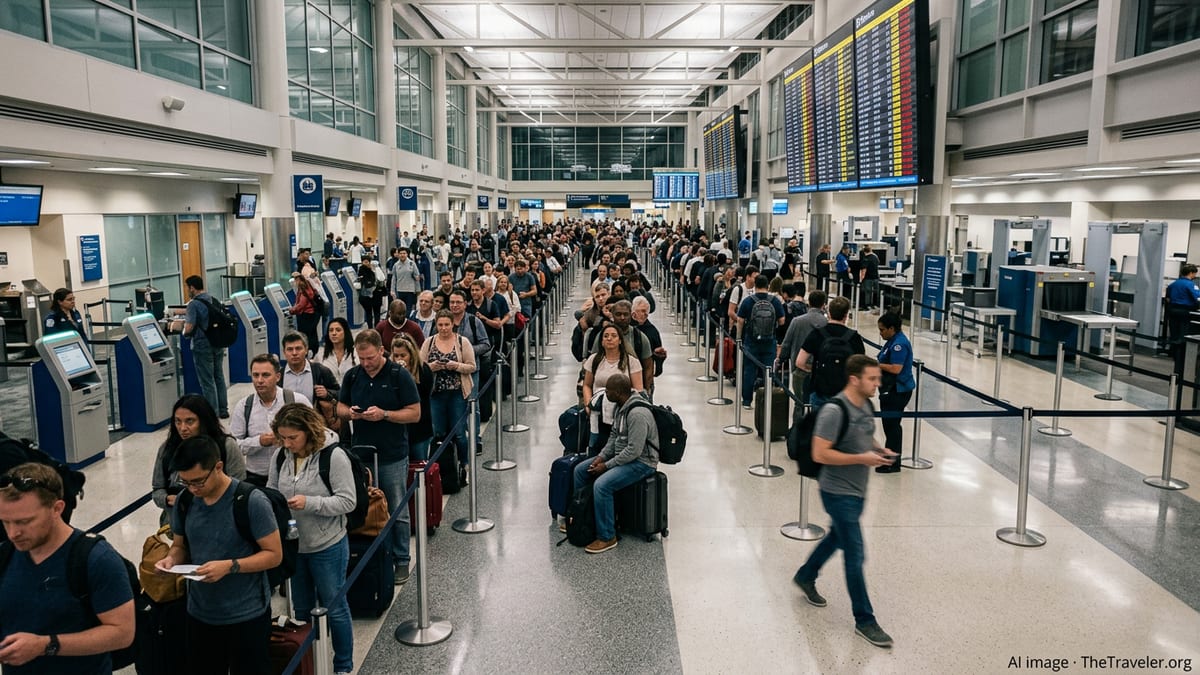
Regional news outlets and aviation tracking data show that the temporary closure rippled quickly across the commercial schedule, delaying dozens of departing and arriving flights at RDU. Flights already in the air were placed in holding patterns or diverted to other airports while the airfield remained closed.
Published coverage points to a series of diversions to nearby hubs, including Charlotte and other regional airports, as carriers adjusted routings to avoid the suspended operations at RDU. Passengers reported extended ground delays, with some aircraft waiting at gates or on taxiways until normal movements could safely resume.
Flight-tracking services for July 1 show clusters of delayed departures during the closure window and in the hours that followed, as airlines worked through a backlog of aircraft and crew assignments. The knock-on effects were most visible on late-afternoon and evening services, particularly for short-haul routes up and down the East Coast that rely on tight turn times.
While the airfield reopened later in the afternoon, recovery from a full stop of movements typically takes several hours. Travelers with connections through RDU faced missed onward flights and rebookings, while origin passengers encountered rolling delays and occasional cancellations as schedules were reset.
Safety Response and Initial Investigation
Emergency response teams and airport operations crews moved quickly to the scene after the collision, according to media reports and eyewitness accounts shared online. Fire and rescue vehicles were photographed surrounding the damaged jet and truck, and personnel appeared to be inspecting the aircraft structure and the taxiway surface.
Publicly available information indicates that the airport temporarily closed the airfield to ensure that no debris or spilled fluids posed a risk to other aircraft. This type of precaution is standard after a ground collision, even when there is no fire and injuries are minor or absent, and often requires both visual inspections and cleanup before movements can safely resume.
Coverage from regional outlets notes that federal aviation investigators and airport officials are expected to review flight data, vehicle movements, and communications to determine how a box truck and aircraft came to occupy the same space on the taxiway. That process commonly includes examining airfield markings, signage, lighting, and any work or service activity underway in the area at the time.
As of early July 2, reports describe the cause of the collision as still under review. There is no public indication yet of mechanical failure, visibility problems, or miscommunication, and analysts caution that definitive findings typically emerge only after a formal investigation.
Timing Heightens Impact on Summer Travelers
The collision occurred during the busy lead-up to the July 4 holiday period, amplifying the disruption for travelers already contending with crowded flights and tight connections. RDU serves as a key regional gateway for North Carolina’s Research Triangle, and summer demand has remained strong as leisure and business travel continue to rebound.
According to earlier airport planning documents and recent local reporting, RDU has been operating amid ongoing construction and modernization projects on its airfield and terminal infrastructure. These projects can increase the complexity of ground movements, with temporary taxiway changes, added service-vehicle traffic, and evolving routings for aircraft between runways and gates.
On social media and community forums, some passengers described spending extended periods waiting on parked aircraft while crews awaited clearance to move. Others recounted diversions to alternate airports and last-minute itinerary changes as airlines worked through limited spare capacity in the peak season.
Travel industry observers note that even brief closures can have outsized effects at mid-sized hubs during holiday peaks. With many flights operating close to full, rebooking options are limited, and a single afternoon of delays can spill into the next day’s operations as aircraft and crews end up out of position.
Ground Incidents Highlight Importance of Taxiway Safety
While large-scale crashes in flight typically draw the most public attention, analysts point out that ground incidents involving service vehicles and aircraft are an enduring safety concern at busy airports. Collisions on taxiways and aprons can cause significant damage and disruption even when they occur at low speeds, particularly when they happen at critical choke points on the airfield.
Aviation safety databases and prior case studies show that close coordination between air traffic control, ramp operations, and service providers is essential to prevent conflicts between aircraft and ground vehicles. Clear markings, consistent training, and effective radio communication are often cited as key tools for reducing risk in areas where jets, fuel trucks, catering vehicles, and maintenance equipment all operate in close proximity.
Recent years have seen industry-wide emphasis on runway and taxiway incursion prevention, including better surveillance technology, updated signage, and procedural changes at many airports. The collision at RDU is likely to renew attention on how these measures function during peak traffic, construction periods, and complex ramp operations.
Publicly available information suggests that, despite the damage and disruption, the absence of serious injuries at RDU underscores the role of robust airfield safety standards and emergency planning. Investigators’ findings from this incident may ultimately inform further refinements to how airports manage ground traffic and protect travelers during increasingly busy travel seasons.