


More news on this day
Holland America Line is set to maintain a permanent presence in European waters for the first time, with published information confirming that the premium cruise brand will operate a year-round program in Europe beginning with the 2027–2028 season.
Get the latest news straight to your inbox!
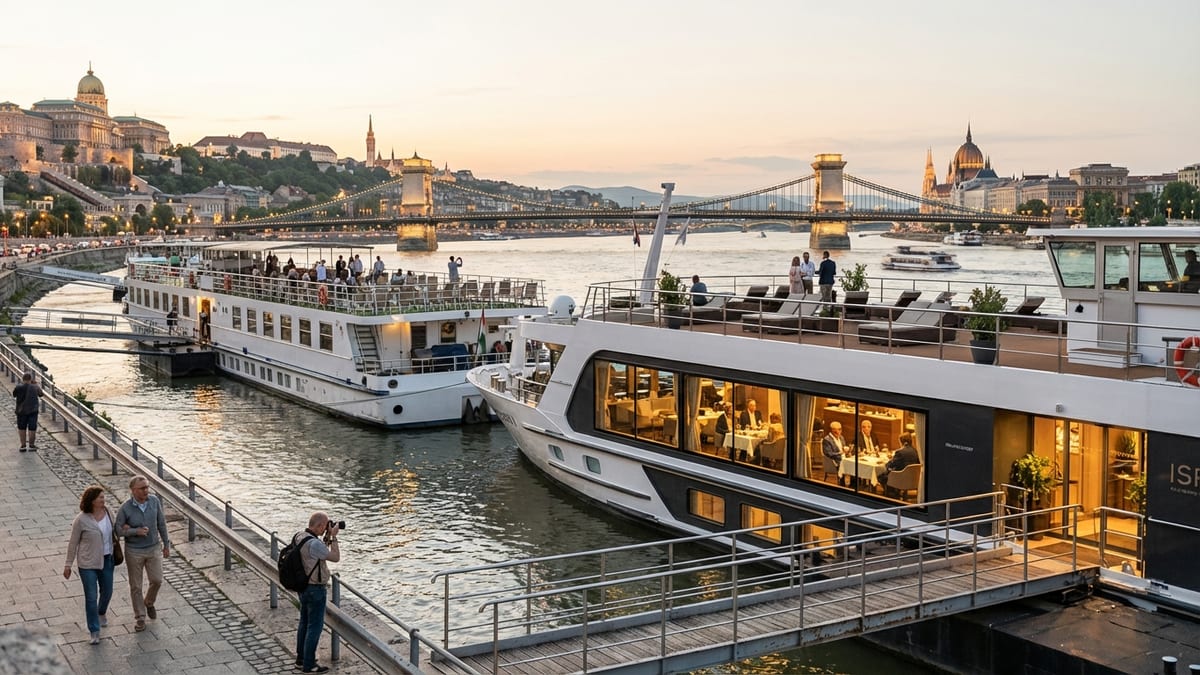
Nieuw Statendam Anchors First Year-Round Europe Program
According to recent announcements and industry coverage, Holland America Line intends to base the 2,666‑guest Nieuw Statendam in Europe throughout the 2027–2028 season, creating the company’s first continuous European deployment across all four seasons. Publicly available information shows that the ship will operate a mix of Mediterranean and Northern Europe itineraries, rather than returning to the Caribbean or other warm‑weather regions in winter as has been typical.
Reports indicate that the expanded program will comprise roughly a dozen cruises spanning both regions, with sailings scheduled through the traditional off‑season months. Itineraries are expected to include a combination of week‑long and longer voyages, offering travelers increased flexibility on length and timing of trips. The move aligns Holland America more closely with rivals that have been steadily extending their European calendars.
Coverage in travel media characterizes the decision as a strategic pivot designed to capture rising demand for shoulder‑season and winter travel in Europe. By keeping a large, modern ship like Nieuw Statendam in the region all year, Holland America appears to be positioning itself to compete more aggressively in a market where cultural, culinary, and holiday‑themed cruises are drawing new interest.
The year-round deployment also builds on the line’s broader European presence. In recent seasons, the company has fielded multiple ships across the Mediterranean, Baltic, British Isles and Norwegian fjords, and has incrementally expanded spring and autumn sailings. Moving to a full 12‑month schedule marks a step change from these extended seasons to a continuously operating program.
Winter Itineraries Bring Christmas Markets and Milder Crowds
Details highlighted in coverage of the new program indicate that Nieuw Statendam’s winter schedule will feature a selection of holiday and cold‑season itineraries, including voyages that visit traditional European Christmas market cities. These cruises are expected to call at ports known for festive street markets, seasonal decorations and regional specialties, adding a new style of itinerary to the line’s portfolio.
In the Mediterranean, the ship is projected to focus on ports where weather remains relatively mild even in winter, allowing guests to explore historic sites and coastal towns with thinner crowds than in peak summer. Industry analysts note that this approach mirrors a wider trend, as cruise lines identify strong demand for European travel during school breaks, year‑end holidays and lower‑priced winter weeks.
For Northern Europe, published information suggests that Holland America will emphasize itineraries that balance cooler conditions with culturally rich city stays. While seas and temperatures are more variable in winter, cruise commentators point out that extended evenings, indoor attractions and seasonal events can make these sailings particularly appealing to repeat European travelers seeking a different perspective on familiar destinations.
Travel trade reports also highlight that off‑season cruises can help distribute visitor flows in ports that have faced capacity pressures during the height of summer. By spreading arrivals more evenly through the year, destinations may see a steadier, less concentrated stream of cruise tourism, while still benefiting from ship calls and passenger spending.
Part of a Broader European Expansion Strategy
The shift to year-round cruising follows several seasons in which Holland America has been gradually strengthening its European deployment. The line previously announced an extended 2026 schedule, adding late‑season voyages and Northern Lights‑focused itineraries, and has positioned ships such as Nieuw Statendam, Rotterdam and Zuiderdam as core assets for Northern Europe, with Oosterdam concentrating on the Mediterranean.
Reports from cruise industry publications indicate that this expansion dovetails with the company’s multiyear “Holland America Evolution” investment program, which is refurbishing six ships with updated public spaces, dining venues and accommodations. Enhancing onboard hardware is viewed as an important factor in competing for guests who are increasingly comparing premium lines on both itinerary design and ship amenities.
Industry commentary also notes that Europe is a strategically attractive region, with a mix of North American, British and continental European guests able to embark without long‑haul flights. By basing a ship in Europe through winter, Holland America appears to be targeting both existing loyal guests and new travelers in source markets such as the United Kingdom, Germany and the Benelux countries, who may find it easier to join cruises closer to home.
Analysts point out that the decision may allow the line to command stronger pricing on certain itineraries than in saturated warm‑weather markets, while still utilizing a large vessel efficiently throughout the year. Maintaining continuity in Europe can also deepen relationships with key port authorities, tour operators and local suppliers that support shore excursions and turnaround operations.
Implications for Travelers and the Competitive Cruise Landscape
For travelers, Holland America’s move means more departure dates, itinerary combinations and seasonal themes to choose from in Europe starting in 2027. Guests who prefer cooler temperatures, cultural events and lower crowd levels will have additional options beyond the traditional spring‑to‑autumn window, while those limited to school holidays may gain access to winter sailings that coincide with breaks.
Travel agents and cruise specialists are expected to incorporate the year‑round program into longer‑range trip planning, especially for clients seeking back‑to‑back itineraries that string together Mediterranean and Northern Europe routes. Published itineraries show that Holland America has increasingly offered non‑repeating back‑to‑back voyages, and a continuous European presence could make such combinations more accessible across a wider part of the calendar.
From a competitive standpoint, the decision underscores how major cruise brands are recalibrating deployment in response to evolving travel patterns. Other companies have already introduced winter sailings in regions such as the Canary Islands and Western Mediterranean, and Holland America’s entry into the year‑round segment signals that demand for off‑season Europe has reached a scale that supports additional capacity.
Independent analysts quoted in trade coverage have suggested that the move could encourage further experimentation with niche itineraries, including longer voyages that connect lesser‑visited ports or emphasize wine, food and cultural themes. While the full impact on pricing and capacity remains to be seen, the presence of a dedicated year‑round ship in Europe is likely to keep the region at the center of Holland America’s deployment strategy in the years ahead.