


Snowcard is one of the best known specialist travel insurance brands for skiers, climbers and adventure travellers in the UK. But in 2026 its reputation is more mixed, with strong technical cover for risky activities on one side and a growing number of frustrated claimants on the other. After reading the latest policy wording, comparing it with mainstream insurers and digging into recent customer experiences, this is an honest look at when Snowcard makes sense, when it does not, and what you should watch for before you buy.
Get the latest updates straight to your inbox!
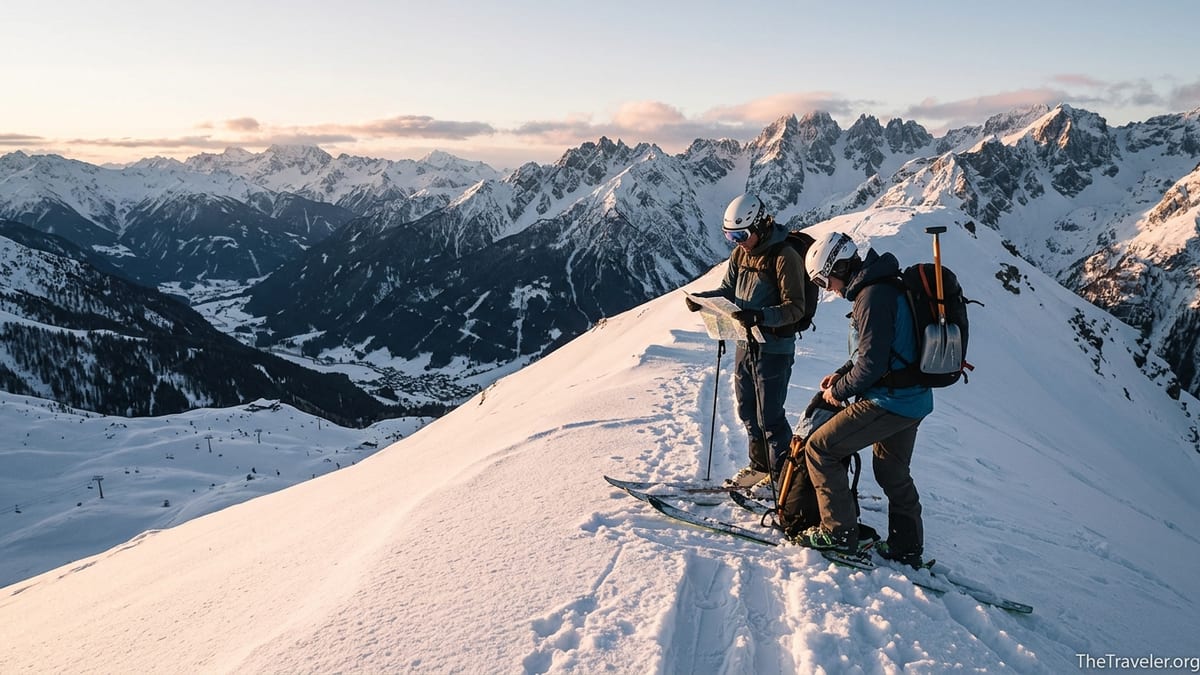
What Snowcard Actually Is – And Who It Is For
Snowcard is a UK-based specialist travel insurance intermediary that focuses on adventure and mountain sports rather than beach breaks. Policies are arranged via a Lloyd’s of London broker and are designed around activities like skiing, ski touring, alpine climbing, trekking at altitude and technical mountain sports, with emergency medical, rescue and repatriation cover at the core of the product.
In practice that means Snowcard is not aimed at someone booking a single week in a city with minimal activities. It is aimed at travellers planning trips such as a week of off piste skiing in Chamonix, an alpine climbing course in the Dolomites, or a three-week trekking and climbing expedition in the Alps or Andes. The product is built to accept higher-risk activities that many mainstream annual policies either exclude outright or cover only under limited add-ons.
Snowcard offers both single-trip and annual multi-trip policies, with trip lengths typically up to 90 days for single trips and shorter limits per trip, often 31 days, on annual cover, with paid extensions available for longer durations. The key choice is not a traditional “Bronze, Silver, Gold” tier. Instead you pick an activity level that reflects the risk of what you are doing, then choose your sums insured for cancellation, baggage and other sections to tailor the policy to your budget.
This modular design is attractive if you are, for example, a climber who does not need a high baggage limit but does need robust medical and rescue cover at altitude. It is less compelling for a casual traveller who simply wants a cheap, all-round annual policy that throws in a few days on the slopes.
Activity Levels, Winter Sports and Technical Cover
Snowcard’s most distinctive feature is its activity-based structure. At the time of writing, there are several tiers such as Adventure Basic, Adventure Plus, Max Adventure, Extreme Adventure and Pro Adventure. Each tier unlocks a different list of covered sports, from low-risk activities like resort cross-country skiing to high-consequence pursuits like ski mountaineering and backcountry split-boarding.
For winter sports, Snowcard explicitly lists covered activities and notes that off piste skiing and snowboarding are not automatically excluded, provided you follow local resort rules and safety advice. That is a major difference from many mainstream policies, where off piste may only be covered with a guide or may be excluded entirely. With Snowcard, a typical scenario such as skiing unpisted itineraries within marked resort boundaries in Tignes or Verbier is within scope as long as you stay within resort rules and act responsibly.
Higher tiers extend to activities such as heli-skiing, ski touring using skins, telemark skiing, and backcountry touring with a splitboard. The top Pro Adventure tier can, subject to acceptance, cover serious objectives like ski mountaineering and high-altitude trekking or climbing, sometimes up to 6,000 or even 7,000 metres depending on the specific plan. That makes Snowcard one of the few retail policies that can be appropriate for, say, a guided Mont Blanc ascent combined with off piste skiing, or a backcountry ski expedition in Norway or the Alps.
The trade-off is price. A week of basic on-piste skiing in Italy for a family might be cheaper on a generic winter sports add-on from a bank or package provider. But if you plan to mix lift-accessed resort skiing with unguided ski touring days and occasional park or freeride lines, Snowcard’s willingness to cover that spectrum under a clearly documented activity level can be worth the premium, because you are less likely to discover a hidden exclusion after an accident.
Search and Rescue, Medical and Repatriation: The Core Strength
Where Snowcard stands out most clearly is in its treatment of mountain rescue and emergency medical costs. All policy levels include search and rescue benefits under the medical and accident sections, with a stated upper limit in the region of six-figure sums, which is designed to include helicopter and air ambulance where medically necessary. For a serious off piste incident in the Alps, where a helicopter rescue can cost several thousand pounds, that cover can make a critical difference.
Consider a real-world scenario. You are ski touring above Chamonix, trigger a small slide and are injured. Local rescue teams deploy a helicopter to evacuate you to hospital in Sallanches. A policy that only covers standard medical treatment may not pay for the helicopter cost if the wording excludes search and rescue. Snowcard’s policy wording specifically highlights search and rescue as included, albeit with conditions such as following local safety advice and not knowingly taking on objectives that exceed your skill level. That alignment with how mountain incidents actually unfold is a key reason many mountain guides and clubs historically pointed their clients toward specialist policies like this.
Repatriation back to the UK is integrated with the emergency medical cover. If you break a leg and cannot fly home on a standard ticket, the assistance provider can arrange a medical repatriation, sometimes in a stretcher section or business-class seat with medical clearance. Again, generic budget policies may have lower limits or more restrictive wording, particularly around sports injuries.
That said, Snowcard is primarily built for recreational, non-professional trips. If you are being paid to guide clients or working abroad in a mountain job, you may need to declare that and possibly seek a bespoke or professional policy. The small print makes clear that some pro-level activities and longer expeditions require referral and acceptance before cover is confirmed.
How Prices and Value Compare in Practice
Price comparisons in adventure insurance are tricky because premiums depend on age, trip length, destination and activity level. However, a few broad patterns emerge when you compare Snowcard with generalist travel insurers, and with other niche providers such as club-backed schemes or climbing-focused brokers.
For a simple 7-day winter sports trip to France for a healthy 35-year-old, a mainstream UK travel insurer might quote something in the region of 20 to 40 pounds for single-trip cover that includes on-piste skiing only. The same traveller choosing an appropriate Snowcard tier that allows on and off piste, plus a modest amount of ski touring, is likely to see a higher premium, often in the range of 40 to 80 pounds depending on the cancellation limit and add-ons selected. You are paying extra for the broader activity acceptance, the higher search and rescue limit and the tailored medical cover.
For more complex trips, the value equation can flip. A two-week alpine climbing course with routes up to 4,000 metres or a multi-activity itinerary combining ice climbing and ski touring may be declined outright by many mainstream insurers. Another might offer cover only after phoning to underwrite the risk individually, sometimes at a steep premium. Snowcard is designed to accept these trips within its defined activity bands, so while the headline price can still feel high, it is often one of the few realistic options that will actually pay out if something goes wrong.
Where Snowcard can look poor value is for travellers who barely use the adventure features. For example, a family buying Snowcard annual cover for occasional lift-served skiing in the Alps and one summer beach holiday may be paying a specialist premium for benefits they never use. In that case, a standard annual policy with a winter-sports add-on, even with stricter conditions around off piste, might represent better value as long as they are happy to stay on marked runs and accept narrower rescue cover.
In short, Snowcard’s value is tightly linked to how committed you are to mountain sports. The more your itinerary resembles a guidebook to Chamonix or the Alps rather than a package brochure, the more its specialist terms justify the extra cost.
Customer Experience: Strong Technical Cover, Patchy Claims Handling
Coverage is only half the story; how an insurer handles claims matters just as much. Here, recent public reviews of Snowcard are sobering. On Trustpilot, Snowcard currently shows a low overall score with a modest number of reviews. Several 2026 reviewers describe very long delays and poor communication when trying to settle claims, including cases involving trip curtailment after a family death or medical expenses abroad.
It is important to note that Snowcard acts as an intermediary; claims are typically administered by a large assistance and insurance company partner. Some negative reviews mention that partner by name and criticise its responsiveness. The practical effect for you as a traveller, however, is the same: if your claim is delayed, you will experience the frustration regardless of whether the bottleneck sits with Snowcard, the underwriter or the claims handler.
At the same time, there are also positive and neutral reviews from long-time customers who have insured multiple trips without issues, or who praise the clarity of the activity lists and the ability to tailor cover. This split pattern is common across many travel insurers: people who never claim are broadly satisfied, while those with complex claims are more likely to leave negative feedback.
From a practical perspective, the takeaway is not that Snowcard never pays, but that you should be prepared for potentially slow, bureaucratic claims resolution compared with the ideal. Keep every receipt, medical report and confirmation email, and be prepared to chase. If fast, concierge-style claims handling is your top priority, you may want to consider alternative high-end products or credit card-linked policies with established reputations for service, and then carefully check that their activity and rescue cover matches what you need.
Key Exclusions, Fine Print and Real-World Pitfalls
Like every insurer, Snowcard has exclusions and conditions that can void cover if you are not careful. Some of these relate to health, others to behaviour in the mountains, and others to documentation and pre-trip planning. Understanding these is crucial, because many of the worst claim disputes arise not from outright refusal to cover a sport, but from a technical breach of a condition.
First, Snowcard expects you to act within your competence and to follow local safety rules. The policy wording and FAQs highlight that while off piste is not automatically excluded, you must respect resort boundaries and safety warnings. If you duck a closed rope labelled avalanche risk, or ski into an out-of-bounds canyon, you could find a serious accident scrutinised against clauses about knowingly putting yourself at risk.
Second, pre-existing medical conditions need to be disclosed accurately during the quote process, and any required medical screening must be completed. A traveller with a history of heart problems who omits that information to keep the premium low could later face a declined claim if they suffer a related incident on the mountain.
Third, some high-risk expeditions, altitudes or professional activities require referral and written acceptance before cover is valid. A climber planning a 6,500-metre peak who assumes that a standard online selection of the highest activity tier is sufficient, without checking the altitude limits and referral requirements, may discover after an incident that their trip should have been individually underwritten.
Finally, like many policies, Snowcard’s cancellation and curtailment sections have specific triggers. For example, cancellation due to a close relative’s serious illness or death usually requires documentary proof and may be interpreted narrowly. Some of the recent negative reviews appear to centre on disagreements over whether a situation met the policy wording. Reading those sections carefully, and choosing realistic cancellation limits, can help avoid surprises later.
How Snowcard Compares With Mainstream and Club Policies
When you compare Snowcard with general travel insurance from banks, package holiday brands or mass-market brokers, three differences stand out: activity acceptance, search and rescue cover, and altitude or technical limits. Generalist products often cap winter sports to on-piste skiing and snowboarding within resort boundaries, exclude park jumps or racing, and do not explicitly cover mountain rescue or helicopter evacuation except in limited circumstances.
In contrast, Snowcard’s documentation is relatively explicit about off piste, ski touring, mountaineering and technical climbing, and it highlights search and rescue as a specific benefit. For someone planning a Haute Route ski tour or a week of ice climbing and mixed routes in the Alps, that clarity is worth a lot. With a mainstream policy, you might have to call and hope that a phone note about your activities will be honoured later; with Snowcard, the activity matrix and policy wording give a clearer baseline.
Compared with club-backed policies such as those offered via mountaineering councils or specialist alpine clubs, Snowcard sits in the same broad niche. Club schemes sometimes offer strong rescue and liability cover tied to membership, and can be excellent value for members who mainly climb within Europe. However, they may lack extensive cancellation or baggage benefits, or may have narrower cover for non-climbing parts of a trip. Snowcard aims to be a complete travel policy, with typical sections for personal possessions, money, travel delay and so on, alongside the mountain-specific elements.
Where club or alternative specialist policies can have an edge is claims culture. Some are praised within their communities for responsive claims handling. Others partner with different underwriters who may have their own strengths or weaknesses. If you are heavily involved in a particular sport, asking guides, instructors or club officials what they see in practice can give you a useful supplement to anything written in marketing materials.
Who Snowcard Is Best For – And When to Look Elsewhere
Putting all of this together, Snowcard makes the most sense for a specific type of traveller. If you live in the UK, travel frequently to mountain regions, and your idea of a holiday involves activities that many insurers treat as high risk, Snowcard’s detailed activity structure and inclusive search and rescue cover are strong arguments in its favour. That includes ski tourers linking up huts across the Alps, ice climbers on Scottish or European routes, alpine mountaineers heading for classic 4,000ers, and freeriders who spend as much time off the sides of marked pistes as on them.
It is also attractive if you like to mix activities on one trip. A typical example might be a fortnight in the Alps where you plan three days of resort skiing, two guided ski touring days, a day of snowshoeing and a couple of days of bolted sport climbing in a valley crag if the snow conditions deteriorate. Snowcard is set up to handle that combination cleanly within a single policy by putting you on the right activity tier.
Conversely, Snowcard is unlikely to be the best choice if you rarely venture off groomed runs, do not climb or trek at altitude, and simply want an inexpensive safety net for medical and cancellation cover. In that case, a mainstream annual policy with a transparent winter sports add-on, and perhaps a lower search and rescue limit, may deliver similar peace of mind at a lower price.
It is also not a magic fix for poor organisation. If you are uncomfortable navigating detailed policy documents, or you have had bad experiences with large claims handlers in the past, then the reports of delayed or difficult claims should give you pause. The product can be excellent for the right person, but it still demands that you document everything, follow procedures precisely and sometimes chase for updates.
The Takeaway
Snowcard remains one of the most technically capable travel insurance options on the UK market for serious skiers, climbers and mountain travellers. Its activity-based design, willingness to cover off piste, ski touring and mountaineering, and explicit inclusion of search and rescue and helicopter costs address real gaps left by many mainstream policies.
At the same time, the brand’s recent customer feedback highlights a softer underbelly: slow and sometimes opaque claims handling via large partners, and disputes around policy wording in emotionally charged situations such as family bereavement. These issues are not unique to Snowcard, but they matter, and travellers should weigh them alongside the strengths.
If your trips are genuinely adventurous and you are willing to read the small print, declare your medical history honestly and keep meticulous records, Snowcard can offer a level of relevant cover that many competitors simply do not attempt. If your travel is more conventional, or you value ultra-smooth claims above all else, you may find better overall satisfaction with a high-quality mainstream or club-based alternative.
Ultimately the honest verdict is this: Snowcard is neither a scam nor a universal solution. It is a powerful specialist tool. Used in the right context, it can be exactly the protection an adventure traveller needs. Used casually or without understanding its conditions, it can disappoint. The responsibility, as always with insurance, lies partly with the policy design and partly with how carefully the traveller chooses and uses it.
FAQ
Q1. Is Snowcard travel insurance worth it for a normal ski holiday on groomed pistes only?
For most people who ski only on marked pistes and do not plan ski touring, park jumps or off piste, a mainstream travel insurer with a clear winter sports add-on can often be cheaper and sufficient. Snowcard becomes more worthwhile when you add higher-risk elements like off piste itineraries, ski touring or mountaineering.
Q2. Does Snowcard cover off piste skiing without a guide?
Snowcard’s wording does not automatically exclude off piste skiing or boarding, but you must follow local resort rules, respect closures and warnings and ski within your competence. If you deliberately enter closed or out-of-bounds terrain, you risk breaching policy conditions even if you are technically “off piste.”
Q3. How good is Snowcard’s search and rescue cover in real life?
All Snowcard policy levels include a specific search and rescue benefit designed to cover costs such as helicopter evacuation and organised rescue teams, subject to conditions. In typical European mountain incidents where a helicopter is dispatched and you are taken to hospital, that cover is designed to respond, provided you complied with safety advice.
Q4. Why do some Snowcard reviews online look so negative?
Recent online reviews include reports of long delays, poor communication and disputes over claims, particularly where another large company administers claims on Snowcard’s behalf. This pattern is common across travel insurance, where unhappy claimants are more likely to post reviews. It does indicate that you should expect a formal, sometimes slow process if you need to claim.
Q5. Can Snowcard cover high-altitude climbing or expeditions?
Some Snowcard activity tiers extend to serious mountaineering and high-altitude trips, sometimes up to 6,000 metres or more, but upper limits and conditions vary. Certain expeditions and altitudes require referral and written acceptance before cover is valid, so you should always discuss your exact itinerary with Snowcard rather than assume it is included.
Q6. Is Snowcard suitable if I am guiding clients or working in the mountains?
Snowcard is primarily designed for recreational travellers rather than professionals. Paid guiding, instruction or mountain work can fall outside standard terms or require special acceptance. If you are earning an income from the activity, you should seek clarification or look for a professional indemnity or specialist guide policy instead.
Q7. How do Snowcard prices compare with other insurers?
For simple, low-risk trips, Snowcard is usually more expensive than basic mass-market policies. For complex adventure itineraries involving off piste, ski touring or technical climbing, it often sits in the same price bracket as other specialist or club-based policies, and can represent reasonable value given the activities it is willing to insure.
Q8. What documents should I keep if I might need to claim on Snowcard?
You should keep medical reports, hospital bills, prescriptions, rescue invoices, police or resort incident reports where relevant, proof of travel bookings, receipts for equipment and a record of any communication with airlines, tour operators and the assistance company. Having a complete paper trail is essential for a smooth claim.
Q9. Does Snowcard cover non-mountain trips like city breaks or beach holidays?
Yes, Snowcard policies can cover general travel such as city breaks or beach holidays, as long as you choose appropriate benefits. However, if you never engage in adventure sports, you may find better-priced, simpler cover from a mainstream insurer, since Snowcard’s strengths are focused on active and mountain travel.
Q10. What is the single biggest mistake people make when buying Snowcard?
The most common mistake is underestimating the risk level of their activities and choosing too low an activity tier, or not reading the conditions around off piste, altitude and pre-existing medical conditions. Being conservative when selecting your activity level and taking time to understand the small print are the best ways to avoid unpleasant surprises later.