


More news on this day
Hong Kong’s long-awaited tourism revival is gathering pace, with visitor arrivals climbing back toward pre-pandemic levels even as retailers, caterers and hoteliers confront a tougher reality of weaker per-capita spending and changing travel habits.
Get the latest news straight to your inbox!
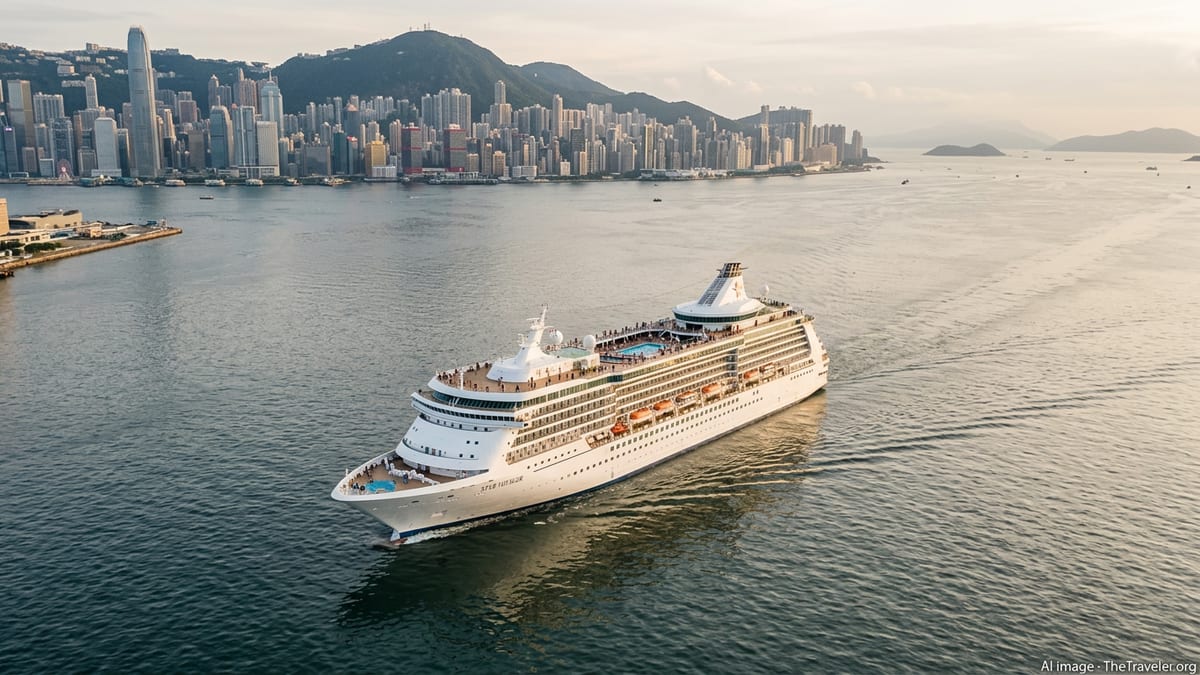
Arrivals surge back toward pre-pandemic highs
Recent data from the Hong Kong Tourism Board shows that the city continues to rebuild its visitor base at a rapid clip after border restrictions were lifted. Provisional figures indicate that Hong Kong received about 45 million visitors in 2024, roughly 31 percent more than the previous year and approaching three quarters of the levels recorded in 2018.
The momentum has carried into 2026. In the first six months of the year, arrivals reached about 26.7 million, a 13 percent increase over the same period in 2025, according to published coverage of tourism figures. That puts the city on track for another year of double-digit growth, driven by a steady return of regional travelers and a broader line-up of events and trade shows.
Government and tourism board statistics highlight that mainland China remains the backbone of Hong Kong’s visitor base, accounting for the majority of arrivals. However, markets in Southeast Asia and long-haul destinations such as Europe and North America have also rebounded, with tourism officials pointing to faster growth in these segments and a rising share of overnight stays.
Peak travel periods underscore the scale of the resurgence. During the 2024 Lunar New Year and Labour Day Golden Week holidays, inbound traffic reached or surpassed pre-2019 levels, with border checkpoints handling well over a million visitor movements in a matter of days. Hotel occupancy in core districts has frequently climbed back to around or above 90 percent during major festivals and mega-events.
Spending lags as cost-conscious visitors reshape the market
Behind the headline figures, a more complex picture is emerging. Official economic reports and industry commentary indicate that tourism exports by value have grown more slowly than arrivals, and that visitor spending patterns are shifting toward lower budgets and shorter stays.
Data released by the Hong Kong government for 2024 showed that while tourism-related exports increased, they remained below pre-pandemic peaks, reflecting both a structural change in consumption and a more subdued macroeconomic backdrop in mainland China. Industry groups have repeatedly noted that many visitors now prioritise sightseeing and low-cost dining over luxury shopping or big-ticket tours.
Reports from local travel trade bodies during the 2024 Chinese New Year Golden Week suggested that some group tour participants spent only a few hundred Hong Kong dollars per person on average, a fraction of typical pre-2019 levels. Travel agents and retailers have attributed this shift partly to a weaker renminbi, tighter household budgets on the mainland and the growing popularity of budget-friendly day trips rather than multi-night city breaks.
Even where per-capita spending is edging higher among long-haul and higher-yield visitors, the gains have not fully offset the drop in big-spending mainland tourists who once drove Hong Kong’s luxury goods, cosmetics and jewellery trade. The result is a widening gap between bustling visitor numbers in popular districts and softer overall takings across the consumer economy.
Day trippers and outbound locals dilute the tourism windfall
A rising share of cross-border visitors are treating Hong Kong as a day-trip destination, especially those coming from neighbouring cities in the Greater Bay Area. Publicly available data from immigration records and tourism surveys show that same-day arrivals have recovered more quickly than overnight stays, putting pressure on sectors that depend on hotel bookings and evening dining.
Many travellers now stay in Shenzhen, where hotel and dining costs are lower, and commute into Hong Kong for shopping or sightseeing before returning across the boundary at night. While these visitors still contribute to transport, attractions and casual dining revenue, their spending profile is significantly leaner than that of tourists who book multi-night stays in the city.
At the same time, Hong Kong residents themselves are increasingly heading north to shop and dine. Over several holiday periods since 2024, departures to mainland cities and Macau have exceeded arrivals, according to official border statistics cited in local media. Restaurant and retail groups have reported that festive business has often been weaker than anticipated, blaming competition from cheaper options across the border and a broader shift toward outbound leisure travel.
This two-way flow means that even as inbound visitor numbers climb, a substantial portion of local consumption is leaking out of the city. For small businesses that once relied heavily on mainland tour groups or spontaneous shopping by overnight visitors, the combination of leaner inbound spending and a more mobile local population has created a challenging operating environment.
Policy responses and industry strategies at a crossroads
In response to the changing landscape, Hong Kong has stepped up efforts to diversify its tourism offering beyond shopping and short breaks. Official strategies highlighted in policy papers and tourism board publications emphasise a mix of mega-events, international conventions, cultural attractions and outdoor experiences aimed at attracting higher-value visitors and encouraging longer stays.
Since early 2024, the city has hosted an expanded calendar of art fairs, sports tournaments and entertainment festivals, alongside a push to grow the meetings, incentives, conferences and exhibitions segment. Tourism board briefings show that business and convention arrivals have recovered faster than some leisure segments and are seen as a key driver of higher per-capita spending.
The government has also broadened the Individual Visit Scheme that allows mainland residents from more cities to travel independently to Hong Kong, in an effort to capture more mid- to high-income travellers. Infrastructure upgrades at border checkpoints and changes to immigration procedures, such as the removal of arrival cards, are intended to streamline entry and support higher volumes.
Industry stakeholders, however, remain divided over how quickly such measures can translate into stronger retail and hospitality revenues. Some trade groups are calling for more targeted incentives, including accommodation packages, cross-border marketing campaigns and support for neighbourhood tourism projects that spread visitors beyond traditional hotspots and encourage deeper engagement with local communities.
Retail and hospitality adapt to a leaner, more competitive era
For frontline businesses, the tourism comeback is forcing a rapid rethink of pricing, product mix and service models. Several hotel operators have maintained room rates below pre-pandemic highs to keep occupancy stable, especially outside peak seasons, while experimenting with themed stays and partnerships tied to arts, sports and culinary events.
Retailers in core shopping districts are similarly recalibrating, shifting floor space toward mid-range fashion, lifestyle brands and experiences that appeal to younger, more value-conscious travellers. Some long-standing luxury-focused outlets have downsized or relocated, while others have doubled down on exclusive products and personalised services aimed at the remaining high-spend clientele.
Food and beverage operators are caught between rising operating costs and customers who are more price sensitive than before. Restaurant associations have pointed to volatile holiday takings and uneven foot traffic, with some areas benefiting from event-driven surges and others seeing notable declines as residents and tourists cross the border for cheaper meals.
The overarching picture is of a tourism economy that is numerically robust but financially thinner than in its pre-pandemic heyday. Hong Kong’s ability to convert record or near-record arrivals into sustainable, broad-based spending growth will depend on how quickly it can adapt to new visitor profiles, strengthen its appeal as an overnight destination and balance the powerful pull of cross-border competition.