


Few airports inspire stronger feelings in frequent travelers than New York’s John F. Kennedy International. It can be hectic, sprawling and, at times, confusing, but it also offers some of the most impressive airport lounges in the United States. Whether you are flying economy and buying one-time access or holding an elite status or premium credit card, a good lounge at JFK can completely change how your trip begins. This guide focuses on the very best lounges across the terminals, with up to date access details and real-world examples of what you can expect in 2026.
Get the latest updates straight to your inbox!
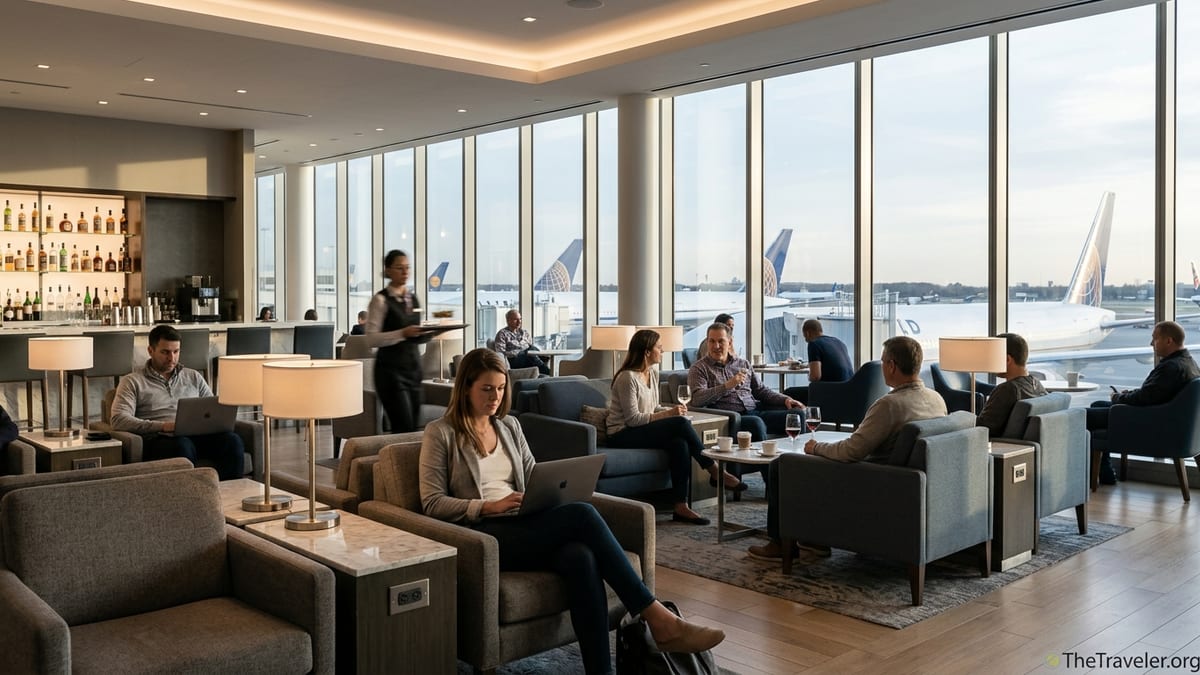
How JFK’s Terminals Shape Your Lounge Choices
Before you pick a lounge, it is important to understand that JFK’s terminals are effectively separate islands. You cannot freely move between them after security, so your lounge options are almost always limited to the terminal your flight departs from. The AirTrain connects terminals landside, but once you clear security in, say, Terminal 4, you are committed to that terminal’s lounges for that trip. As a result, the “best” lounge overall may not be the best choice for you if it is in another terminal.
Delta now operates its hub from Terminal 4, which has become JFK’s most lounge-rich concourse, with multiple airline, pay-per-use and premium credit card lounges clustered there. JetBlue’s operations are centered at Terminal 5, which at the time of writing does not offer a traditional full-service lounge but does provide upgraded seating areas and restaurants for longer waits. American Airlines and British Airways share revamped premium facilities in Terminal 8, while smaller international carriers are spread among Terminals 1 and 4 with their own business and first class lounges.
Because lounge access rules can be complicated and are updated frequently, you should always double-check the latest information with your airline or card issuer before you travel. Flight time, cabin, elite status and even same-day international or domestic connections can affect whether you are admitted. For travelers planning a long layover, choosing flights that depart from a terminal with strong lounge options, especially Terminal 4 or Terminal 8, can be a worthwhile strategic decision.
In the sections below, we will focus on the standouts at JFK: lounges that consistently receive strong reviews, offer a clear step up from the general concourse and are realistically accessible to many travelers through airline tickets, status or credit cards.
The Centurion Lounge at JFK: Flagship Comfort in Terminal 4
The American Express Centurion Lounge in Terminal 4 has quickly become one of JFK’s headline attractions for eligible cardholders. Located after security on Level 4, to the left after you clear the main checkpoint in Terminal 4, it opens early in the morning and typically closes around 10 p.m. The space is large by lounge standards and spread over multiple zones, including quiet areas for working, a family room, a dedicated coffee bar and a cocktail bar that often draws comparisons to high-end city lounges.
Access is restricted primarily to holders of premium American Express cards such as the U.S. Platinum Card and Centurion Card, along with same-day departing or connecting boarding passes. Guests are usually limited and guest policies have tightened in recent years, so families and groups should check the latest rules and be prepared for possible per-guest charges. During peak evening bank departures for long-haul flights, particularly between 5 p.m. and 9 p.m., the lounge can approach capacity and there may be a short wait list at the entrance, so arriving slightly earlier can make the experience more relaxed.
A typical visit feels closer to a boutique hotel lobby than a traditional airline club. The buffet often features hot and cold dishes with some New York accents, such as bagels and smoked fish at breakfast or seasonal salads and braised meats at dinner. Travelers frequently remark on the quality of barista coffee from the Blue Roast coffee counter and the craft cocktails at the main bar. Practical amenities, including showers and plenty of power outlets, make it particularly attractive for long-haul passengers connecting through JFK or arriving from red-eye flights.
For many U.S. travelers, a single round-trip in economy where airport meals and drinks can easily top 50 to 70 dollars per person is enough to justify using the lounge if they already hold an eligible Amex card. For instance, a couple traveling to Europe from Terminal 4 who would otherwise buy a full dinner and a few glasses of wine in the terminal may find the Centurion Lounge offers better food and drinks in a quieter setting without additional cost beyond their annual card fee.
Delta Sky Club and Delta One Lounge: Premium Hubs in Terminal 4
Delta’s massive presence at JFK means its Delta Sky Club network is central to the lounge experience in Terminal 4. The terminal now offers multiple Sky Clubs, including large spaces in both the A and B concourses and a more exclusive Delta One Lounge concept for long-haul business class customers. For many domestic and transatlantic travelers flying Delta, these clubs are the most convenient and consistently available option, with direct access from the departure gates.
Entry is typically granted to Delta One and SkyTeam business class passengers, Sky Club members, eligible American Express Delta Reserve cardholders, and certain elite status holders, subject to evolving rules that limit access during peak congestion. In practice, a frequent scenario is a traveler flying Delta to Los Angeles or London who uses a Delta Reserve card for complimentary entry or buys an annual membership that pays off over several trips per year. Same-day international itineraries can open access even when flying domestically on a connecting segment, which is useful for travelers starting in a smaller U.S. city and connecting through JFK.
Inside, the Sky Clubs in Terminal 4 tend to provide extensive seating, self-serve buffets with rotating hot dishes, salads and snacks, open bars with complimentary house wines and well spirits, and premium drinks available for purchase. The larger B concourse club is often described as one of Delta’s more impressive lounges, with big picture windows looking out to the ramp and multiple work and relaxation zones. At busy evening departure times, seat hunting can still be a challenge, but the overall experience is a noticeable step up from the crowded departure gates.
For Delta One passengers, the dedicated Delta One Lounge concept offers a more curated environment that aims to compete directly with the best transatlantic business class lounges. Expect upgraded dining options, more attentive service and quieter spaces designed for work and rest before overnight flights. For example, a traveler flying Delta One to Paris or Tel Aviv from Terminal 4 can often enjoy a sit-down meal in the lounge, allowing them to sleep longer on the aircraft and treat the flight more like a hotel night than a dinner service.
Virgin Atlantic Clubhouse: Boutique Style with Caveats
The Virgin Atlantic Clubhouse in Terminal 4’s A concourse is frequently cited by travelers as one of JFK’s most stylish spaces. Situated above gates A4 and A5, it combines mid-century inspired furniture, views of the apron and a relaxed, almost lounge-bar atmosphere that feels more like a private members’ club than an airport facility. For Virgin Atlantic Upper Class passengers and certain Delta elites departing on Virgin-operated flights, access is typically bundled with the ticket, which is one of the reasons the Clubhouse commands such loyalty among transatlantic flyers.
One of the hallmarks of the Clubhouse is its full-service restaurant experience. Instead of a standard buffet only, staff serve food and drinks at tables, with an all-day menu that may include items such as a full English-style breakfast, burgers, curries or lighter salads, depending on the time of day and seasonal menu. Travelers often schedule their airport arrival to allow at least ninety minutes in the lounge so they can enjoy a proper sit-down meal and arrive on the aircraft ready to rest, particularly on late-night departures to London.
Access, however, is where things get complicated. In addition to eligible Virgin Atlantic and Delta passengers, the lounge has at times partnered with networks like Priority Pass and certain premium credit card programs, but in practice many travelers report being turned away when the Clubhouse is busy. Capacity controls are strict, and at peak evening departures around the daily flights to London and other European destinations, staff often restrict non-Virgin premium guests and day-pass holders. For example, an economy traveler relying on a Priority Pass membership might find that while the Clubhouse is technically listed as accessible, entrance is denied due to “member access suspended” signs during those busy windows.
As a result, travelers who have guaranteed access through an Upper Class ticket or invited status will likely find the Clubhouse to be one of the best lounges in the airport, while those hoping to enter via a general lounge program should manage expectations and have a backup plan in Terminal 4, such as the Centurion Lounge or another pay-per-use option.
Other Notable Lounges in Terminal 4
Beyond the Centurion Lounge, Delta Sky Clubs and the Virgin Atlantic Clubhouse, Terminal 4 hosts several other lounges that appeal to different types of travelers. The terminal’s role as a major international gateway means that many airlines offer their own branded business class lounges, as well as third-party options that can be accessed through memberships or one-time payments. For travelers holding cards like Capital One Venture X or participating in programs like Priority Pass, Terminal 4 can feel like a small ecosystem of options compared with other U.S. airports.
Examples include airline-specific lounges, such as the Air India Maharaja Lounge, which primarily serves Air India’s premium passengers but may also partner with select lounge networks. Reviews often describe it as a quieter space with Indian-inspired hot dishes and basic amenities, ideal for passengers on long flights to Delhi or Mumbai who want familiar food before boarding. Similarly, various pay-per-use lounges operated by international hospitality companies cater to travelers who are not flying in premium cabins but are willing to pay a fee, typically in the range of 40 to 80 dollars, for several hours of access, food, drinks and showers.
Credit card branded lounges beyond American Express are also becoming part of the Terminal 4 mix. Banks such as Capital One and Chase have opened or announced lounge spaces at major U.S. hubs, often located airside and targeting holders of their top-tier travel cards. These lounges emphasize elevated food and beverage offerings, barista coffee, co-working style seating and spa-like restrooms. At JFK, travelers with qualifying credit cards should check their issuer’s lounge locator shortly before departure, as opening dates and access policies have been updated frequently as new spaces come online or expand.
For travelers who do not hold any premium credit cards but want a better experience than the public concourse, advance purchase of a day pass online can be worthwhile, particularly before a long overnight flight. As an example, a solo traveler on a late departure to Europe might choose a three-hour pass at a pay-per-use lounge where they can enjoy a hot meal, a glass of wine and a shower before boarding, a package that can compare favorably with buying separate airport meals and drinks.
Premium Options in Terminals 1, 5 and 8
While Terminal 4 dominates the conversation, some of JFK’s most improved premium facilities are actually in Terminal 8, home to American Airlines and British Airways. The two carriers have consolidated and upgraded their lounges, including a flagship-level space for long-haul business and first class passengers. Business travelers flying from New York to London, for instance, often seek out the co-branded lounges in Terminal 8 for pre-flight dining, Champagne and showers. Access rules typically include oneworld business and first class passengers and higher-tier elite members on international itineraries.
Terminal 1, used by several European and Asian carriers, offers a patchwork of airline lounges, from Lufthansa and Air France to Korean Air and others. Many of these lounges follow the classic international business class model: buffet dining that can include regional dishes, self-serve drinks, and quiet areas for work and rest. For example, a passenger flying Lufthansa business class to Frankfurt from Terminal 1 can expect access to a Lufthansa-branded lounge where German-style cold plates and hot dishes are available, along with showers for freshening up before an overnight flight.
Terminal 5, dominated by JetBlue, is different. Rather than traditional lounges, the terminal focuses on open concourse amenities, branded restaurants and work-friendly seating. JetBlue’s premium Mint passengers currently rely more on priority check-in, early boarding and upgraded in-flight service than on a dedicated ground lounge at JFK. That said, many travelers still find Terminal 5 one of the more pleasant spaces at the airport due to its relatively modern design, large windows and a mix of dining from recognizable New York names.
Across these terminals, the pattern is clear. If you are flying a foreign carrier in business or first class, you will almost always have access to at least one dedicated airline or alliance lounge. If you are flying in economy but hold a premium card such as Amex Platinum or a bank travel card that partners with lounge networks, you may still have options, though often fewer than in Terminal 4. Checking your specific flight and terminal against your card benefits is the most reliable way to uncover what is available on your travel date.
How to Decide Which JFK Lounge Is Really “Best” for You
When travelers debate the “best” lounge at JFK, they often focus on headline features such as design, food quality or bar offerings. The Centurion Lounge, Virgin Atlantic Clubhouse and Delta’s flagship Sky Clubs routinely appear at the top of those lists. However, from a practical standpoint, the best lounge for your trip is the one that balances access convenience, crowd levels and the specific needs of your journey, whether that is a shower after a red-eye, a quiet corner to work or a full dinner before a short overnight flight.
For instance, a traveler with an American Express Platinum card flying Delta economy from Terminal 4 may find the Centurion Lounge the most attractive choice for its buffet and cocktail program, provided they can access it with their card and boarding pass. By contrast, a business traveler flying Virgin Atlantic Upper Class to London will almost always prefer the Clubhouse because of the guaranteed sit-down dining and the convenience of being steps from the departure gate. A loyal Delta flyer on a domestic run to the West Coast might simply walk into the nearest Sky Club, valuing the extensive seating and reliable Wi-Fi over more elaborate food.
Budget also matters. A pay-per-use lounge charging around 60 dollars for three hours can seem expensive at first glance, but compared with two full restaurant meals and drinks plus the stress of hunting for seats in a crowded terminal, many travelers judge it a good value on long layovers. On the other hand, for a short domestic hop where you will be in the airport for only an hour, it may make more sense to skip the lounge entirely and grab a quick snack at a concourse cafe.
Time of day should be part of your planning. Early mornings are often calmer, while the late afternoon and evening waves of international departures can overwhelm even the best lounges, leading to wait lists or reduced service levels. If your schedule allows it, arriving at JFK slightly earlier for a morning flight can yield a far more peaceful lounge experience than pushing your arrival to the last possible minute before a busy evening departure.
The Takeaway
New York JFK is not always an easy airport, but its growing collection of premium lounges means that with a bit of planning, you can dramatically improve your time on the ground. Terminal 4 stands out as the heart of the lounge scene, anchored by the Centurion Lounge, multiple Delta Sky Clubs, the Delta One Lounge and the visually striking Virgin Atlantic Clubhouse, alongside a widening range of airline and pay-per-use options. Elsewhere, upgraded spaces in Terminal 8 and established international lounges in Terminal 1 give premium passengers reliable havens before long-haul flights.
The key is to start with your confirmed terminal and airline, then layer on your card benefits, elite status and budget to see which lounges are realistic options on your travel date. Think about what matters most for that particular journey: a hot shower, a quiet desk, a proper pre-flight dinner or simply a calm place to sit with a drink and watch the ramp. JFK’s best lounges deliver on all of those needs, but not every lounge is ideal for every traveler.
As lounge access rules, partnerships and new openings keep evolving, it is wise to confirm details close to your departure, especially if you are relying on a general lounge program or a pay-per-use pass. With that small bit of homework done, you can walk past the crowded gate areas, step into a well-designed lounge and start your trip feeling more like a guest than a passenger.
FAQ
Q1. Can I use a lounge at JFK if I am flying economy?
Yes, in many cases. You may be able to access lounges through a premium credit card, a paid day pass, a lounge membership such as Priority Pass, or by flying economy on an international ticket that comes with status-based access. Availability varies by terminal and lounge, and some popular spaces restrict third-party access during busy periods.
Q2. Is the Amex Centurion Lounge at JFK worth planning around?
For travelers who already hold an eligible American Express card and are departing from Terminal 4, the Centurion Lounge is often worth arriving a bit early. It provides higher quality food and drinks than typical concourse options, along with showers and quiet seating, which can justify using it instead of dining in the terminal, especially before long flights.
Q3. Can I visit the Virgin Atlantic Clubhouse with a lounge membership like Priority Pass?
Access for third-party memberships such as Priority Pass has been offered at times but is frequently restricted when the lounge is busy. Many travelers report being turned away during peak evening hours even when their program technically lists the Clubhouse. Passengers flying Virgin Atlantic Upper Class or holding eligible Delta status on Virgin-operated flights have the most reliable access.
Q4. Do any lounges at JFK offer showers?
Yes. Several lounges, including the Centurion Lounge in Terminal 4, multiple international airline lounges in Terminals 1 and 4, and select premium spaces in Terminal 8, offer shower facilities. These are especially popular with travelers connecting from overnight flights or preparing for long-haul departures.
Q5. Can I move between terminals after security to use a different lounge?
In practice, no. JFK’s terminals are separated once you are airside, and there is usually no way to move between them without exiting and re-clearing security, which would require a boarding pass for the new terminal. You should plan to use a lounge located in the same terminal as your departing flight.
Q6. How crowded do JFK lounges get, and when is the best time to visit?
Lounges at JFK can become very crowded during late afternoon and evening waves of international departures, especially in Terminal 4. Early mornings and midday periods are generally calmer. Arriving a bit earlier for a morning or midday flight can result in a more relaxed lounge experience and reduce the risk of being turned away due to capacity limits.
Q7. Are food and drinks free inside JFK lounges?
Most lounges include a selection of food and non-alcoholic drinks at no additional cost, and many also offer complimentary beer and house wine. Premium spirits or a la carte dishes may carry extra charges in some lounges. The exact inclusions vary, so it is wise to glance at menus or ask staff upon arrival.
Q8. Do lounges at JFK have good Wi-Fi and places to work?
Yes, reliable Wi-Fi is a core feature of modern airport lounges at JFK. Many of the better lounges provide individual work pods or quiet zones with power outlets and comfortable chairs. Spaces such as the Centurion Lounge and major airline clubs are particularly geared toward business travelers needing to work between flights.
Q9. Can families with children use JFK lounges?
Families are generally welcome, and some lounges, like the Centurion Lounge in Terminal 4, include dedicated family or play rooms. However, guest policies for children depend on the specific lounge and the card or ticket being used for access. It is important to check age limits, guest fees and rules about unaccompanied minors before arrival.
Q10. How much does a one-time lounge pass typically cost at JFK?
Prices vary widely by lounge and provider, but a common range for a three-hour stay is roughly 40 to 80 dollars per person. Premium airline or credit card branded lounges may not offer cash day passes at all, while independent pay-per-use lounges often publish their pricing in advance so travelers can compare the cost with what they might otherwise spend on airport food and drinks.