


More news on this day
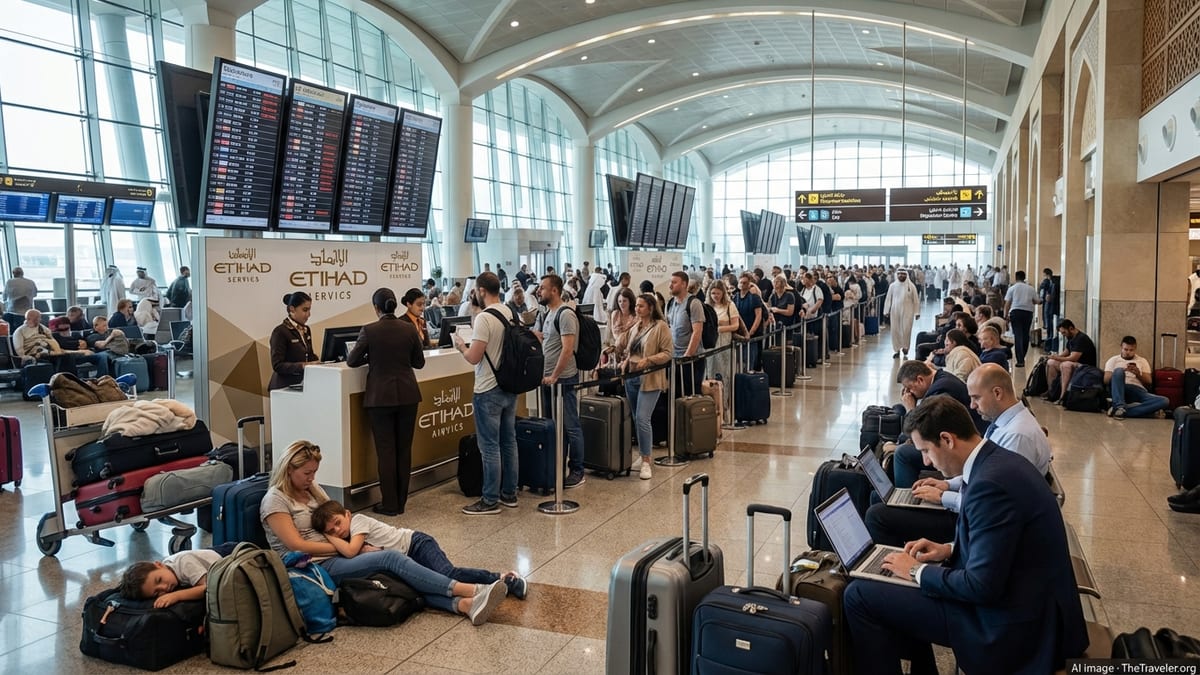
Flight schedules across parts of Saudi Arabia were thrown off course after reports of a Houthi attack prompted heightened operational disruption, with some services delayed, diverted, or cancelled, including an Etihad Airways cancellation affecting travel to and from Abu Dhabi.
Get the latest news straight to your inbox!
What happened and why flights were affected
Published coverage over the weekend described renewed Houthi strikes targeting Saudi Arabia, including reported ballistic missile and drone activity that has periodically led to temporary restrictions around airports, route adjustments, and short-notice airline decisions. Recent reports have also pointed to visible smoke near Riyadh’s King Khaled International Airport following an attempted strike on the capital, adding to passenger concern even when airports remain open.
In aviation, disruptions can stem from multiple triggers: airspace management measures, runway or approach constraints, precautionary ground stops, or capacity reductions as carriers and airports work through irregular operations. Even brief operational pauses can cascade into missed slots, aircraft out of position, and crew duty-time constraints that ripple through schedules for the rest of the day.
Travel advisories have also highlighted the regional security backdrop, noting the resumption of direct conflict involving the Houthi group and warning that airports near certain areas may be impacted. For travelers, the practical effect is that a flight can be on time one moment and then delayed or cancelled the next if conditions change.
Etihad cancellation: what travelers should know
Etihad’s cancellation referenced in published coverage was one of several carrier decisions taken amid the broader volatility affecting regional aviation. The airline’s public-facing flight status tools and airport departure boards are typically the fastest way for passengers to confirm whether a specific service is operating, delayed, or cancelled, since flight plans can change rapidly in response to operational limitations.
When an airline cancels a flight, the next steps often depend on fare conditions, local regulations, and the carrier’s disruption policy for that event. Travelers may be offered rebooking on a later service, re-accommodation via alternate routings, or a refund, but options can narrow quickly when multiple flights are disrupted at the same time.
Passengers transiting Abu Dhabi should also pay attention to how a single cancellation can affect onward connections. A missed inbound sector may automatically cancel subsequent legs on the same ticket in some airline systems if the traveler is recorded as a no-show, making it important to manage the itinerary through official channels rather than waiting at the gate.
Saudi airport operations and knock-on effects across the region
Even when only one airport is directly affected, neighboring routes can absorb the impact. Diversions can push arrivals into alternate airports, increasing demand for stands, ground handling, and hotel capacity. That, in turn, may delay other scheduled movements as airports prioritize diversions and recovery operations.
In recent months, published coverage has shown how attacks or closures around certain airports in the Kingdom have led airlines to cancel or divert specific services, especially where runway availability or approach procedures are constrained. Temporary closures can lead to immediate cancellations, while partial restrictions often produce rolling delays that are harder for passengers to interpret because the flight remains “scheduled” until late in the process.
Separately, publicly available NOTAM feeds frequently show runway, approach, and navigational constraints that can affect on-time performance even without a security incident. Travelers typically do not need to read NOTAMs directly, but their existence helps explain why an airport can look “open” while still operating at reduced capacity.
Practical steps for travelers facing sudden cancellations
For travelers impacted by short-notice disruption, the most time-sensitive step is confirming the flight’s status and any rebooking options through the airline’s official digital channels before heading to the airport. If the flight is cancelled, rebooking earlier can improve the odds of securing remaining seats on the next departure or an alternate routing.
Passengers booked on journeys that include connections should check whether their ticket is protected through to the final destination. If separate tickets are involved, a cancellation on the first itinerary may not trigger protection on the second, and travelers may need to act quickly to preserve later flights or request changes before departure deadlines.
Travelers should also keep documentation of disruption notices, updated boarding passes, and any rebooking confirmations, and verify baggage status if a flight was delayed after check-in. During irregular operations, checked baggage can be routed differently from the passenger if plans change late.
What to watch next as airlines manage volatility
Airlines operating in and around Saudi Arabia, the UAE, and nearby air corridors have repeatedly adjusted schedules during periods of heightened regional tension, including altering flight paths, changing departure times, or consolidating services. Travelers may see longer routings or later arrival times if aircraft avoid certain airspace or if air traffic flow restrictions are introduced.
For passengers planning trips in the coming days, the key indicators are airline advisories, airport operational updates, and real-time flight status changes. Even when major hubs report normal operations, disruptions can be localized to specific routes, times, or aircraft rotations.
With tensions remaining high in published reporting, travelers on flights to or from Saudi Arabia and the UAE may want to build extra buffer time into itineraries, especially for tight connections, and avoid non-refundable add-ons that depend on precise arrival times until operations stabilize.