


Buying travel insurance in 2026 is less about ticking a box and more about building a safety net that actually matches how you travel. Etiqa sells popular plans across Malaysia, Singapore and the region, but the real value comes from how you choose between its single trip and annual covers, what add ons you select and when you buy. If I were arranging an Etiqa policy today for a year of mixed trips, this is exactly how I would approach it to maximise protection without overpaying.
Get the latest updates straight to your inbox!
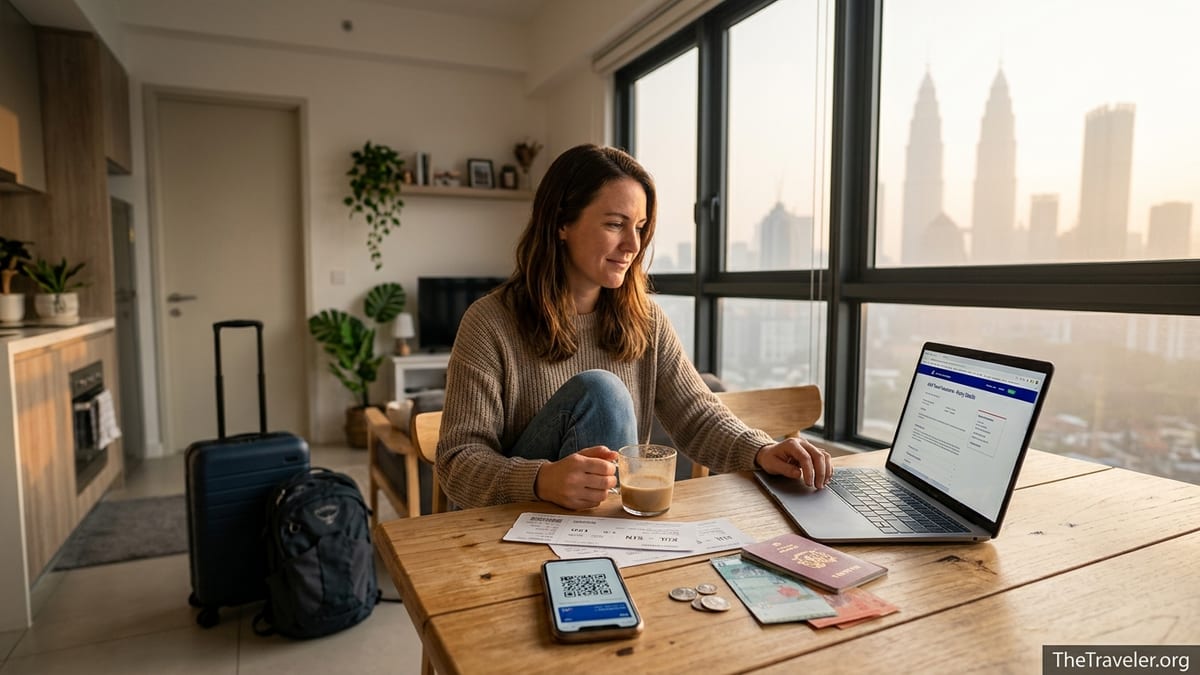
Start With Where You Live and How You Actually Travel
The first decision with Etiqa is jurisdiction. Etiqa operates in several markets, and the details differ between, say, a Malaysian TripCare 360 plan and a Singapore Travel Infinite policy. The broad ideas are similar, but benefit limits, age bands and even how COVID 19 add ons work are country specific. So the first step I would take is to go to the Etiqa site for my country of residence and confirm that the trip starts and ends in that country, which is a common eligibility rule.
Next I would look honestly at how I travel. If I know that this year I have a five day work trip to Tokyo, a two week family holiday to Europe and a long weekend in Bali, I am already at three international trips. In Malaysia, Etiqa’s TripCare 360 offers both single trip and annual plans; annual is designed for frequent travellers who take multiple journeys within 12 months. If I expect three or more international trips in a year, I would almost always lean toward an annual plan because you get automatic coverage every time you leave the country without having to remember to buy a new policy.
Then I would consider who is travelling with me. Etiqa lets you cover yourself, you and a spouse, family groups and even small groups of up to around 20 adults on certain variants. For example, under TripCare 360 in Malaysia you can choose “Myself,” “Spouse and I,” “Family” or “Group” and the premium is priced accordingly. For a Europe trip with my partner and two school age children, I would compare the premium for a family plan against buying two adult and two child single policies and almost always find the family pricing more efficient.
Finally, I would decide whether I need domestic coverage. Etiqa also sells domestic travel plans that cover trips within Malaysia or Singapore. If I have big ticket domestic flights, such as a family trip from Kuala Lumpur to Sabah with prepaid diving and resort stays, I would include domestic cover inside an annual regional or worldwide plan if my local Etiqa product supports it, to avoid buying a separate one off policy every time I fly internally.
Choosing Between Single Trip and Annual Plans in Practice
Once I know my travel pattern, I would run real numbers. On Malaysian TripCare 360, Etiqa positions single trip policies as ideal for one off getaways and annual plans for frequent travellers. Single trip premiums for a short regional holiday can be relatively low, while annual plans cost more upfront but cover unlimited trips within the year, each up to a maximum trip length which is typically around 90 days per journey for many insurers in the region.
Imagine I am based in Kuala Lumpur and planning a 10 day holiday to Japan in November, plus a likely but not yet ticketed work visit to Bangkok and a possible summer break in Australia. If I only buy a single trip plan for Japan, I save money today but I am relying on my memory and schedule to buy more cover later. If I buy an annual TripCare 360 international plan now, I pay more in June but I lock in protection for any trip I take until next June, provided each trip stays within the allowed trip duration. This matters if I book a last minute flight; the annual plan means I am already covered for flight delays, baggage issues and emergencies the moment I book because the policy is in force.
In Singapore, Etiqa’s Travel Infinite and Tiq Travel insurance lines offer both single trip and annual multi trip options. If I live in Singapore and cross into Johor Bahru several times a year by car, plus take two regional flights, an annual multi trip plan can be particularly convenient. I do not want to log in to buy a policy every time I pop over the border. Instead, I would choose the annual variant and check that land travel to neighbouring countries counts as a covered trip under the policy wording.
One more factor is cancellation cover. On Travel Infinite, COVID 19 related trip cancellation and postponement benefits are available if I purchase the policy a certain number of days before departure, for example up to 14 days in advance for some COVID benefits. If I know I will secure non refundable flights months ahead, I would buy either the single or annual policy as soon as I pay for the trip to start the clock on cancellation benefits.
Dialing In Core Benefits: Medical, Evacuation and Trip Disruption
After deciding on plan type, I would focus on the big three protections: medical expenses, emergency evacuation and trip disruption. On Malaysian TripCare 360 insurance for international trips, Etiqa highlights overseas medical treatment limits that can reach into the hundreds of thousands of ringgit, with separate limits for evacuation, repatriation and death or permanent disability. A related COVID 19 add on can provide up to about RM300,000 in overseas medical treatment and RM100,000 in evacuation and repatriation benefits.
If I am planning that Europe family holiday, I would choose at least a mid tier plan such as Gold rather than the base Silver tier, specifically to increase medical and evacuation limits. Hospitalisation in Western Europe or the United States can run into tens of thousands of dollars for a serious illness. I do not need precise parity with worst case costs, but I want a level that would reasonably handle intensive care, a week of hospitalisation and a medical escort flight home if needed. That is precisely where the higher Gold or Platinum bands tend to differentiate themselves.
Trip disruption is the next pillar. On Singapore’s Travel Infinite product, Etiqa advertises trip cancellation coverage up to S$15,000 on the highest Suite tier, with lower limits on the Classic and Deluxe tiers. The COVID 19 section details coverage for non refundable costs if I have to cancel or postpone a trip within a defined window, such as 14 days before departure if I am diagnosed with COVID 19 and a doctor certifies I am unfit to travel. In Malaysia, Etiqa’s TripCare 360 COVID 19 add on offers up to RM5,000 for trip cancellations or disruptions due to COVID 19 for international trips. When I plan a cruise or a premium tour with significant non refundable deposits, I would ensure my selected tier’s cancellation limit at least matches the prepaid amounts.
Finally, I would study the definitions around flight delay and missed connections. Etiqa’s Malaysian travel documentation shows that flight delay coverage usually triggers only after a minimum delay, for instance more than two hours, and does not apply to changes caused by government regulations or non commercial flights. If I have tight, self made connections such as a low cost carrier hop not on the same ticket as my long haul flight, I would not assume that a missed connection is covered unless the wording specifically includes it. That understanding shapes how aggressively I schedule transit times, not just which plan I buy.
Smart Add Ons: COVID 19, Adventure Sports, Golf and Home Protection
Optional extras are where I would precisely tailor Etiqa coverage to my upcoming trips. On TripCare 360 from Malaysia, Etiqa lists several add ons: COVID 19 coverage, Adventurous or Extreme Activities coverage, Golf coverage and Extended Home Care. In Singapore, similar concepts exist under Travel Infinite and Tiq Travel, with COVID 19 coverage now built into many policies rather than being a separate rider.
COVID 19 coverage is still relevant because it impacts cancellation, overseas treatment and quarantine costs. With Etiqa’s Malaysian TripCare 360, the COVID add on can cover trip cancellation or disruption up to RM5,000, overseas medical treatment up to RM300,000 and evacuation or repatriation up to RM100,000 if COVID 19 directly affects the trip. If I am booking a long haul journey with multiple non refundable elements, I would almost always include this add on, especially when travelling to countries that still have varying public health rules.
The adventure sports add on is essential for energetic itineraries. Etiqa’s Malaysian site notes that standard exclusions apply to hazardous activities such as skydiving unless I select Adventurous Activities Coverage. If my Bali weekend includes white water rafting, ATV riding and perhaps a licensed scuba dive, I would pay close attention to the list of covered activities and add the rider if any of my planned sports appear there. Without it, even a minor injury on a jet ski could fall outside the policy, leaving me to pay for local treatment.
Golf coverage and Extended Home Care are more situational. If I am heading to a golf focused trip in Vietnam with expensive clubs, I would add the golf rider that covers damage or loss of golf equipment and unused green fees. If I am leaving my apartment empty for a month long trip, the Extended Home Care rider, which protects against burglary, fire or water damage to home contents up to roughly RM20,000, becomes attractive. I would look at my existing home insurance first; if I have strong home contents cover already, I may skip this add on to avoid duplication.
Real World Scenarios: How I Would Structure Cover for Different Trips
It is easier to see how these pieces fit together with concrete examples. Suppose I am a 35 year old Malaysian planning a 12 day honeymoon to Italy in September, with flights from Kuala Lumpur to Rome, a domestic connection to Venice and a mix of boutique hotels and an Airbnb. I pay roughly RM16,000 in non refundable costs. I would select an international TripCare 360 annual plan at the Gold level, with the COVID 19 add on. Gold gives higher medical and disruption limits than Silver, and the annual format means that any later trips, such as a short getaway to Bangkok, are automatically covered.
On this honeymoon, my biggest financial risk is trip cancellation or major disruption. I would confirm that the cancellation limit under my chosen tier is at least RM16,000 equivalent, or accept that a portion of my upfront costs may not be reimbursed if I choose a lower tier. I would buy the policy at least a week before departure, ideally as soon as I confirm flights, so that covered reasons like a sudden serious illness before the trip would qualify for reimbursement of non refundable costs. I would also ensure that my policy includes coverage for losses related to lost or delayed baggage given multiple European connections.
Now consider a different profile: a 42 year old Singaporean consultant who flies regionally almost every month, often booking flights a week or two ahead. She takes quick trips to Jakarta, Bangkok, Hong Kong and sometimes Europe once a year. For her, I would choose Etiqa’s Travel Infinite annual multi trip policy at the Deluxe or Suite level, which provides COVID 19 coverage across all policies and trip cancellation benefits up to S$15,000 on the top tier. An annual plan simplifies administration and prevents gaps when she books last minute flights. When she adds a hiking weekend in South Korea that includes licensed outdoor activities, I would review policy exclusions and, if necessary, pick a plan variation or add on that covers those activities.
A third example is a Malaysian retiree couple in their seventies planning a domestic flight from Penang to Kota Kinabalu for a nature retreat. Here, I would pay close attention to age related benefit reductions. Etiqa notes that for individuals above 70 years old on some products, benefits for personal accident, medical expenses and evacuation are reduced. I would still buy a domestic TripCare 360 plan for flight delays, missed connections, baggage issues and emergency medical treatment in Sabah, but I would not expect the same high limits that a younger traveller receives. In this case, I might also confirm what their existing health insurance covers within Malaysia so I can focus the travel policy on logistical disruptions.
Timing, Exclusions and Claim Practicalities
To maximise protection, when I buy is almost as important as what I buy. Etiqa’s guidance for TripCare 360 in Malaysia states that I must purchase travel insurance before the trip begins and at least two hours before departure, although it recommends buying six hours before the flight. For cancellation benefits to apply, it suggests purchasing at least seven days before the trip start. Singapore’s Travel Infinite COVID 19 documentation indicates that cancellation or postponement benefits due to COVID 19 typically apply within a specified period before departure, such as 14 days. I would therefore buy the policy as soon as I commit significant non refundable funds, not the night before I fly.
I would also study exclusions carefully. Etiqa’s Malaysian travel information highlights standard exclusions such as participation in illegal acts, actions by government authorities that cause loss or delay and hazardous jobs or sports unless I have taken the appropriate add on. Sports like skydiving, for instance, are generally excluded in the base policy. If I am travelling for work in a higher risk occupation or planning to rent a powerful motorbike, I would double check whether those scenarios are covered. If not, I might adjust my activities or accept that some risks are self insured.
Practicalities matter when a trip goes wrong. Etiqa emphasises cashless medical care at overseas partner hospitals for TripCare 360, which can be crucial if I am hospitalised in a foreign country. It also promotes a 24 hour travel assistance helpline and mobile support via the Etiqa+ app for both claims and policy services. In Singapore, Etiqa offers fast and easy claims payouts via widely used local payment rails for certain products. If I am stuck abroad with a delayed flight and a hotel bill, being able to submit documents through an app and receive reimbursement quickly is worth as much as an extra small benefit limit on paper.
Finally, I would keep all documents. If I experience a flight delay, I would ask the airline for a written delay confirmation or keep screenshots of updated departure times. For baggage damage, I would get a Property Irregularity Report at the airport. For medical issues, I would keep original receipts and doctors’ notes. Travel insurers, including Etiqa, require proof that the loss occurred and that it fits a covered reason. Filing a well documented claim is often the difference between a smooth experience and a lengthy back and forth.
The Takeaway
Buying Etiqa travel insurance in 2026 is primarily about matching real travel behaviour with the right structure of protection. I would start by choosing the correct country site and confirming eligibility rules, then decide between single trip and annual plans based on how often I expect to leave home. From there I would pick a tier where the medical, evacuation and disruption limits align with the most expensive and medically challenging destination on my horizon.
The biggest levers for maximising protection are often optional extras. COVID 19 coverage remains relevant for cancellation and medical costs. Adventure sports riders are essential if my itinerary includes anything beyond standard sightseeing. Golf and home protection riders are useful but situational, chosen only when the trip or my living arrangements clearly justify them. Buying early, before non refundable costs mount and well before departure, unlocks the full value of cancellation benefits.
Equally important is knowing what is not covered. Age based benefit reductions, hazardous activities and losses tied to government actions or pre existing conditions are all common areas where travellers misunderstand coverage. I would read those sections carefully, adjust my expectations and activities accordingly and keep thorough documentation whenever something goes wrong on the road.
Approached this way, Etiqa’s travel offerings can form a robust safety net for everything from a long awaited honeymoon in Europe to regular cross border business trips. The combination of adequate limits, well chosen add ons and prompt purchase gives you a realistic level of financial and practical protection, so that you can focus your attention where it belongs: on the journey itself.
FAQ
Q1. When is the best time to buy Etiqa travel insurance for maximum protection?
Ideally I would buy as soon as I pay significant non refundable costs, and at least several days before departure. Etiqa’s Malaysian guidance suggests purchasing TripCare 360 at least seven days before the trip to fully benefit from cancellation cover, and at least two to six hours before departure for standard benefits. In Singapore, COVID 19 related cancellation benefits often apply within a set period, such as 14 days before departure, so early purchase gives the widest protection.
Q2. How do I choose between a single trip and an annual Etiqa plan?
I would look at how many trips I realistically expect over 12 months. If I have one major holiday and perhaps a short weekend away, single trip cover is usually sufficient. If I expect three or more international journeys or make frequent regional visits for work, an annual plan such as TripCare 360 annual in Malaysia or Travel Infinite annual multi trip in Singapore often offers better value and ensures I am automatically covered each time I travel.
Q3. What level of medical coverage should I choose with Etiqa?
I would pick a tier whose overseas medical and evacuation limits reasonably match the costs in my most expensive destination. For trips to Europe or North America, that generally means choosing a mid or top tier such as Gold or Platinum under TripCare 360, or Deluxe or Suite under Travel Infinite, rather than the lowest tier. Exact numbers vary by product and country, so I would check current benefit tables and aim for a limit that could handle serious hospitalisation and an emergency medical evacuation.
Q4. Does Etiqa still provide COVID 19 coverage on its travel policies?
Yes, but how it is structured depends on the market and product. In Malaysia, TripCare 360 offers an optional COVID 19 add on that can cover trip cancellation or disruption, overseas medical treatment and evacuation within specific limits for international trips. In Singapore, Travel Infinite and Tiq Travel include COVID 19 benefits as part of the policy, with defined sub limits for cancellation, quarantine and post trip hospitalisation. I would always review the latest wording for my country before buying.
Q5. Are adventure sports like scuba diving and rafting covered by Etiqa travel insurance?
Basic Etiqa policies typically exclude hazardous or extreme sports unless I specifically select an Adventurous or Extreme Activities add on. Licensed, low risk activities may be covered on some plans, but sports such as skydiving and certain types of diving are often excluded by default. Before booking activities like white water rafting, ATV rides or scuba diving, I would check the list of covered activities on my chosen Etiqa plan and add the relevant rider if needed.
Q6. How does trip cancellation coverage work with Etiqa?
Trip cancellation coverage is designed to reimburse non refundable prepaid costs if I have to cancel for a covered reason, such as serious illness, injury or certain COVID 19 scenarios, depending on the policy. On Singapore’s Travel Infinite, cancellation limits can reach up to around S$15,000 on higher tiers, while in Malaysia the TripCare 360 COVID 19 add on provides up to about RM5,000 for cancellations or disruptions due to COVID 19. It will not cover voluntary changes of mind or reasons outside the listed covered events.
Q7. Does Etiqa cover delays and lost baggage on connecting flights?
Yes, but with conditions. Etiqa’s travel documentation indicates that flight delay benefits usually kick in after a minimum delay, such as more than two hours, and only on regular commercial flights. Loss or damage to baggage is covered up to stated limits, often with per item caps. Missed connections may or may not be covered, especially if segments are on separate tickets. I would read those sections carefully and avoid overly tight self made connections that rely on generous insurance interpretation.
Q8. What should older travellers know about Etiqa travel insurance?
Older travellers should pay special attention to age bands and reduced limits. On some Etiqa products, benefits for personal accident, overseas medical expenses and evacuation decrease for travellers above a certain age, such as 70. Eligibility for certain plan types may also be capped at around 80 years old. Before buying, I would check the latest age related tables and consider how the reduced benefits interact with any existing health or retirement medical coverage.
Q9. How do I actually make a claim with Etiqa if something goes wrong?
If I need to claim, I would first contact Etiqa’s 24 hour assistance line or use the Etiqa app to notify them, especially in a medical emergency. For non emergency claims like flight delays or baggage damage, I would collect all evidence, such as airline delay letters, baggage reports, receipts and medical certificates. Claims can usually be submitted online or through the app, and in markets like Singapore, payouts for approved claims may be made through local instant payment systems, which helps with speed and convenience.
Q10. Can I rely only on my credit card travel insurance instead of buying Etiqa?
Some premium credit cards offer embedded travel benefits, but coverage is often limited in scope, destination and trip cost. Limits on medical and evacuation benefits from card insurers can be modest compared with dedicated plans, and cancellation or adventure sports benefits may be narrow. If I am taking a complex or expensive trip, or if I travel frequently, I would treat card coverage as a bonus and still buy a dedicated Etiqa policy tailored to my itinerary for more comprehensive and predictable protection.