


For frequent travelers in Southeast Asia, Etiqa has quietly become one of the most visible names in travel insurance, from Maybank branch counters in Kuala Lumpur to flash sales on Singapore comparison sites. But buying a policy simply because it is widely advertised does not automatically mean it is the right move. The real question is more specific: in which concrete situations does Etiqa travel insurance actually make financial and practical sense for people who are on planes several times a year?
Get the latest updates straight to your inbox!
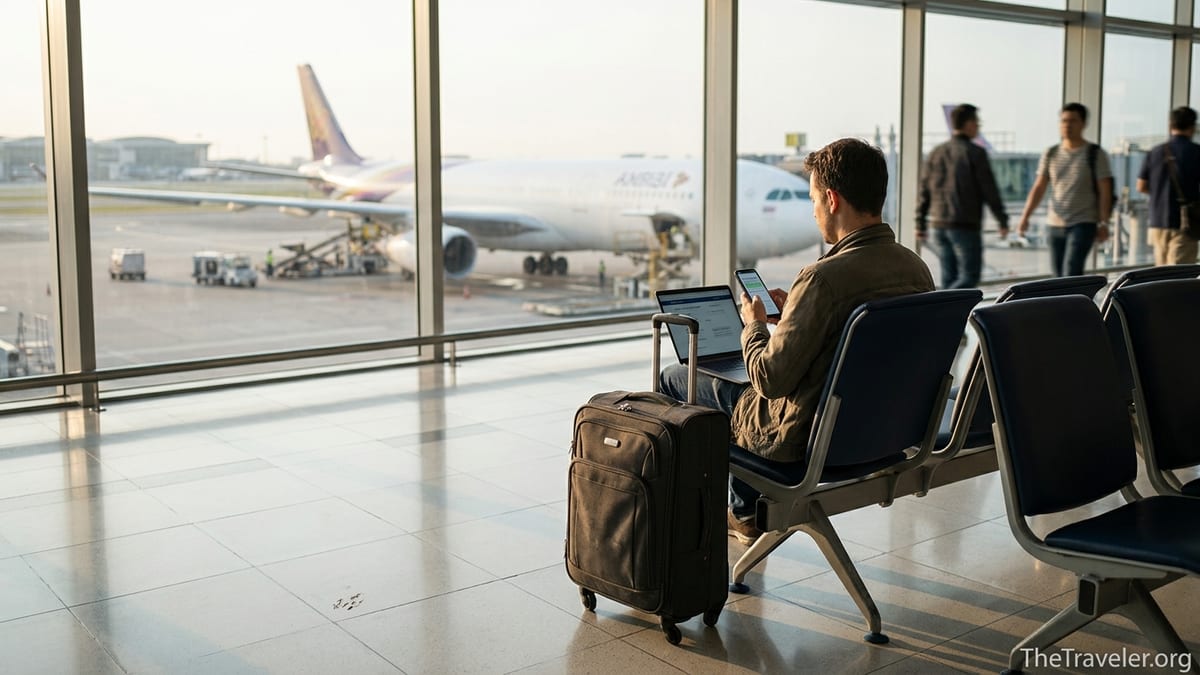
Who Etiqa Travel Insurance Is Really Built For
Etiqa operates out of Malaysia and Singapore, offering both conventional insurance and takaful products, and has positioned its travel lines squarely at regional residents who travel regularly within Asia and beyond. A Kuala Lumpur-based consultant who flies to Jakarta every month, a Singaporean family that takes three or four regional holidays a year, or an Indonesian digital nomad shuttling between Bali, Bangkok, and Tokyo will see Etiqa’s TripCare 360, Tiq by Etiqa, and Travel Takaful plans repeatedly at banks, airline upsell pages, and comparison platforms.
The product line-up typically includes single-trip policies for one-off holidays or business trips, and annual multi-trip plans that cover unlimited trips within a policy year, subject to a maximum duration per journey. In Singapore, Tiq by Etiqa offers annual plans in tiers such as Classic, Deluxe, and higher-coverage options, while in Malaysia the TripCare 360 branding dominates, again with different benefit levels. For a frequent traveler, the annual option is usually where the value equation begins to look interesting.
Consider a Singapore-based regional sales manager who flies to Bangkok, Manila, and Ho Chi Minh City at least once a quarter, plus one longer trip to Europe. With that pattern, she is looking at a minimum of five international trips a year. If she buys bare-bones single-trip cover every time from random providers at around the equivalent of 20 to 30 US dollars for short regional journeys and more for Europe, she could easily spend the equivalent of 150 to 250 US dollars a year without ever enjoying higher-tier benefits. An annual Etiqa plan at a promotional rate in that same rough price band can consolidate those trips into one contract, often with more generous medical and disruption limits, making it far more compelling.
Etiqa also actively sells to families and older travelers, with benefits aimed at children and seniors. In Singapore’s 2026 Travel Takaful brochure, for example, the upper-tier family plan shows personal accident and medical coverage sums that scale with adults and children sharing a policy, which can be more economical for a household that tends to travel together several times a year. If your family profile matches that pattern, it is worth looking at Etiqa’s family annual options before defaulting to ad-hoc single-trip policies.
When Annual Multi-Trip Plans Beat Single-Trip Cover
The clearest case where Etiqa makes sense for frequent travelers is when you cross a certain threshold of trips per year. In practice, this threshold is lower than many people assume. If a Malaysian executive based in Penang makes four three-day work trips to Singapore and Bangkok, plus one ten-day holiday to Japan, he is already at five trips. If each regional trip costs around the equivalent of 7 to 15 US dollars to insure on a basic single-trip policy and Japan costs closer to 20 to 30 US dollars, the total for the year quickly creeps toward 70 to 100 US dollars or more with relatively modest coverage limits.
An Etiqa annual multi-trip plan, especially when purchased during a regional promotion or via a banking partner, can often come in at a similar or only slightly higher cost, but with higher overseas medical coverage and stronger disruption protection. Singapore-based comparison platforms that track Tiq by Etiqa frequently highlight annual Classic or Deluxe plans with overseas medical limits in the hundreds of thousands of Singapore dollars, and with automatic trip extensions if a return flight is delayed. For a traveler making at least four to six trips a year, the cost per journey on an annual plan can drop to the equivalent of under 10 US dollars per trip while preserving these high limits.
Another pragmatic angle is convenience. Frequent travelers often end up buying last-minute cover at the airport or skipping it entirely on short hops because of the friction of comparing products every time. An annual Etiqa plan solves for that behavioral problem: once the policy is active, every qualifying trip within the coverage region and duration is automatically insured. A Singapore-based start-up founder who regularly shuttles between Changi and Suvarnabhumi for investor meetings, sometimes booking flights a day before departure, no longer needs to remember to buy a separate policy for each short trip.
Annual plans, however, usually cap the maximum length of any individual journey, often around 90 days for mid-tier products, and may have geographical limitations. If you are planning to spend six months backpacking across Europe, a single-trip long-stay product, possibly with a different insurer, may still be more suitable. Etiqa’s annual multi-trip policies shine for those whose travel is frequent but not extremely long in duration per trip.
Coverage Strengths That Matter to Frequent Travelers
For seasoned travelers, it is not just about how often you fly but which coverage features you realistically expect to use over time. Etiqa’s travel offerings, particularly in Singapore’s Tiq and Travel Takaful ranges, place meaningful emphasis on medical coverage, evacuation, and travel disruption. In the 2026 Travel Takaful brochure, the overseas medical expenses limit for adults below 70 under the Suite tier runs into the low seven figures in Singapore dollars, while emergency medical evacuation can be unlimited at higher tiers. That level of protection matters far more to someone who clocks 60 or 80 travel days a year than to a once-a-year beach tourist.
Imagine a Kuala Lumpur-based engineer who divides his work year between projects in Hanoi, Manila, and Dubai. Repeated exposure to foreign healthcare systems means that even a single hospital admission overseas without insurance could erase the financial benefit of years of premiums. In such a scenario, Etiqa’s stronger medical and evacuation limits, compared with bare-minimum budget policies, can be a decisive factor. Over a few years of heavy travel, the chance of a medical incident or serious accident is no longer trivial.
Travel inconvenience benefits are another practical strength. For instance, the 2026 Singapore Travel Takaful brochure details structured payouts for trip cancellation and loss of deposits, with caps that rise alongside the tier, as well as benefits for travel curtailment, postponement, and disruption due to airline schedule changes. A frequent flyer who regularly books non-refundable low-cost carrier tickets from Singapore to Bali or Kuala Lumpur can recoup a meaningful portion of sunk costs if a sudden illness, family emergency, or natural disaster forces a last-minute change.
Some Etiqa products also feature add-ons for pre-existing medical conditions. For repeat travelers with controlled chronic illnesses, such as hypertension or diabetes, this can be a game changer. Without such an option, a frequent traveler might technically be insured but find key health issues excluded. With Etiqa’s add-on, subject to age and underwriting, a regular traveler in his 60s taking three cruises and two long-haul flights per year gains protection specifically tailored to his risk profile.
Real-World Scenarios Where Etiqa Can Pay Off
Real value becomes more tangible through examples. Consider a Singaporean couple in their thirties who love extended weekend breaks. Over one calendar year, they book three four-day trips to Phuket, Langkawi, and Lombok, plus a ten-day holiday in Melbourne and a week in Hokkaido for skiing. If they insure each trip separately via airport counters or airline upsells, they might mix providers and ends up with fragmented coverage and duplicated paperwork. By opting for an Etiqa annual multi-trip plan at a mid-tier level, they cover all six journeys, benefit from consistent claims processes, and often gain higher medical and baggage limits than those attached to low-cost airline policies.
Another example: a Penang-based entrepreneur who flies budget carriers to Bangkok every month for wholesale sourcing. On one trip, a checked-in suitcase with fabric samples and small electronics disappears. Under a bare-bones policy, the baggage limit might be low enough that he recovers only a fraction of the value. In contrast, an Etiqa plan at a Deluxe or equivalent tier, as shown in the Singapore brochures, carries higher per-item and overall personal effects limits and can include coverage for laptops, subject to documentation and caps. Over several years and dozens of flights, that stronger protection against cumulative small losses can materially offset the premium differential.
Medical examples are more sobering but equally instructive. A Malaysian retiree in his late 60s, insured under an Etiqa plan that includes senior-focused benefits, joins a guided tour of Eastern Europe. In Prague he suffers a minor stroke and is hospitalized for a week. Overseas treatment, emergency evacuation decisions, and post-trip follow-up in Malaysia quickly add up to significant costs. Because the policy’s overseas medical expenses and evacuation benefits were calibrated for older travelers and specifically extended to certain pre-existing conditions via an add-on, the bulk of these costs are covered, sparing both the traveler and his adult children a substantial financial shock.
Then there are disruption-heavy scenarios. A digital marketer based in Singapore plans to work remotely from Seoul for three weeks, with a non-refundable Airbnb and cheap sale-fare tickets on a regional carrier. Days before departure, severe illness strikes a close family member, forcing him to cancel the trip. Under Etiqa’s Travel Takaful Suite-tier benefits, as outlined in the 2026 brochure, trip cancellation and loss of deposits for non-refundable bookings can be claimed up to a specified limit, softening the financial blow of the canceled month abroad.
Limits, Exclusions, and Situations Where Etiqa May Not Fit
Even frequent travelers should recognize where Etiqa may not be the best fit. Policy wording documents for products like Travel Infinite in Singapore explicitly highlight exclusions for certain extreme or competitive sports, high-risk motor activities, and participation in professional events. If your travel calendar revolves around backcountry skiing, technical mountaineering, or racing motorbikes on foreign circuits, a specialist adventure insurer or specific sports add-on from another provider could be more appropriate, or you may need to check with Etiqa whether separate adventurous sports coverage is available and sufficient.
Trip duration caps are another limitation. Annual multi-trip plans often restrict each individual trip to a fixed number of days, commonly around 90, though this can vary by product and tier. If you are a backpacker planning a continuous six-month overland journey from Istanbul to Tokyo, or a digital nomad who spends half the year in Europe, you may need a different long-stay travel medical policy or expatriate-style coverage instead of an Etiqa annual product designed for shorter, more frequent regional trips.
Pre-existing medical conditions, although sometimes insurable via add-ons, still come with conditions, co-payments, and upper age limits. For example, in the 2026 Travel Takaful brochure, medical expenses and evacuation related to pre-existing conditions have specific combined limits that are lower than general medical benefits and may involve co-payment arrangements. A frequent traveler with complex cardiac history might find that a specialized international medical plan better addresses his risk than a standard travel policy with optional pre-existing coverage.
Finally, pricing competitiveness can fluctuate. In some sale periods, Etiqa appears near the top of comparison tables in Singapore for value, especially when campaigns advertise large percentage discounts on online purchases. At other times, competing insurers may undercut Etiqa on annual premiums for similar benefit levels, particularly for travelers focused narrowly on medical coverage rather than disruption benefits. Frequent travelers who are price-sensitive should therefore compare not just Etiqa’s brochure limits but real, current premiums across providers before renewing each year.
How Etiqa Compares in the Regional Market
Within Singapore and Malaysia, Etiqa is part of a crowded field that includes regional giants and international brands. On Singapore-focused financial comparison sites in 2026, Tiq by Etiqa is usually listed alongside providers like NTUC Income, MSIG, Allianz, and FWD. Reviews often highlight Tiq’s high overseas medical limits on top-tier plans and the inclusion of COVID-19-related medical coverage in many standard offerings. Some reviewers also point to features such as coverage for traditional Chinese medicine consultations in Singapore after an overseas injury, which resonates with local treatment preferences.
In Malaysia, Etiqa’s TripCare 360 and related products compete with offerings from AIG, Tune Protect, AXA-affiliated players, and others. Online guides note that Etiqa is relatively strong on ease of purchase via digital channels and, for some hospitalizations, cashless admission networks at selected overseas medical facilities. Informal feedback from Malaysian travelers on community forums suggests that Etiqa is a common default choice for annual policies when people want simple, app-based management rather than juggling multiple one-off providers.
For a frequent traveler deciding between an annual Etiqa plan and a competitor, the comparison often comes down to a few key metrics: overseas medical and evacuation caps, how generous trip cancellation and disruption benefits are, whether adventurous sports are covered at the base level or via add-ons, and the practicalities of claims. If two annual plans are within a small margin in price, but Etiqa’s offers higher medical limits and clearer coverage for travel curtailment or airline insolvency, Etiqa can be the more rational pick for someone taking ten or more flights a year.
Another comparison factor is the availability of Shariah-compliant takaful options. For Muslim travelers in Malaysia and increasingly in Singapore, Etiqa’s travel takaful products allow frequent flyers to align coverage with religious preferences without sacrificing mainstream features like high medical limits and baggage protection. A Kuala Lumpur-based family that holidays in Turkey, Saudi Arabia, and Indonesia several times a year may prefer an Etiqa takaful annual family plan to a conventional policy from another brand for this reason alone.
Getting the Most Value from an Etiqa Policy
Once you decide Etiqa is suitable for your travel pattern, a few practical steps help you extract maximum value. First, match tier to reality. If you routinely book business-class tickets, stay in higher-end hotels, or rent cars on every trip, a higher-tier Etiqa plan with stronger trip cancellation, personal effects, and rental vehicle excess benefits is easier to justify. A budget traveler who flies low-cost carriers, stays in guesthouses, and carries a low-cost backpack might sensibly choose a mid-tier or Classic-level annual plan, focusing on medical and evacuation rather than extras.
Second, pay attention to add-ons and regional specifics. In Singapore, for example, separate brochures cover Travel Takaful and other Etiqa travel products, with optional pre-existing condition coverage and sometimes senior-specific enhancements. If you are in your late 50s or 60s and planning several long-haul trips per year, adding pre-existing cover where available can be far more valuable than, say, paying extra for golf hole-in-one benefits you will never use. Likewise, if you regularly check in sports equipment such as skis or golf clubs, higher-tier plans that include sports equipment protection and golf benefits merit a closer look.
Third, document everything. Frequent travelers are more likely to experience claimable events simply because of their exposure. Keeping digital copies of boarding passes, hotel confirmations, medical reports, and police statements in a cloud folder or secure app dramatically smooths the claims process with Etiqa or any insurer. A Bangkok-based consultant with an Etiqa annual plan who has her laptop stolen in a Barcelona co-working space will find that having a local police report and purchase receipts at hand makes a reimbursement claim far more straightforward.
Finally, re-evaluate annually. Travel patterns change. A year in which you take monthly regional flights justifies a robust annual multi-trip plan, but if the following year you primarily stay domestic or make only one overseas trip, a single-trip policy might be more economical. Make it a habit to reassess how many international journeys you realistically expect to take in the upcoming 12 months before automatically renewing any Etiqa plan.
The Takeaway
Etiqa travel insurance starts to make clear sense for frequent travelers once you cross from one-off holidays into a lifestyle where flying is routine. Annual multi-trip plans aimed at residents of Malaysia and Singapore can compress the cost of insuring numerous journeys into a predictable premium, while boosting overseas medical, evacuation, and disruption cover to levels that meaningfully protect your finances if something goes wrong.
The product is especially compelling for regional business travelers shuttling between major Asian hubs, families who take several holidays a year, and older travelers who want strong medical and evacuation benefits, sometimes with pre-existing conditions addressed via add-ons. It is less suitable for ultra-long single journeys, highly specialized adventure travel, or travelers whose needs are primarily domestic. By realistically mapping your travel calendar, comparing plan tiers and competitors, and using add-ons selectively, you can decide whether Etiqa is the right anchor insurer for your next year of flights.
FAQ
Q1. Is Etiqa travel insurance worth it if I only take two trips a year?
For most people taking just one or two overseas trips annually, a single-trip policy, whether from Etiqa or another provider, usually works out cheaper than an annual multi-trip plan. Etiqa becomes more compelling once you realistically expect four or more international trips in a year.
Q2. How many trips do Etiqa annual multi-trip plans usually cover?
Etiqa’s annual multi-trip products generally allow unlimited trips during the policy year, subject to a maximum trip duration per journey, often around a few months. Each trip must start and end within the insured period and comply with geographical limits in the policy wording.
Q3. Does Etiqa travel insurance cover COVID-19 for frequent travelers?
Many recent Etiqa travel products in Malaysia and Singapore include some form of COVID-19 coverage, such as overseas medical treatment and trip disruption benefits, but the limits and conditions depend on the specific plan and brochure version. Frequent travelers should check the latest policy wording to confirm exactly what pandemic-related events are covered.
Q4. Are adventurous sports like skiing or diving covered under Etiqa plans?
Coverage for non-competitive winter sports and recreational diving is available under some Etiqa plans, particularly higher tiers, but certain extreme or competitive activities can be excluded or require add-ons. If your frequent travel is strongly sports-focused, you should review the sports and activities section of the policy before relying on Etiqa as your sole insurer.
Q5. What makes Etiqa attractive compared with other regional insurers?
In markets like Singapore and Malaysia, Etiqa is often competitive on overseas medical and evacuation limits at higher tiers and is known for digital purchase and claims options. For frequent travelers, that combination of strong core benefits and online convenience can be more important than the last few dollars of premium savings.
Q6. Do Etiqa annual plans cover long backpacking trips of several months?
Most Etiqa annual multi-trip policies cap the duration of each journey, so very long continuous trips of several months can fall outside standard terms. Backpackers planning extended overland journeys may need to consider long-stay single-trip policies or specialist travel medical plans instead.
Q7. Can I get cover for pre-existing medical conditions with Etiqa?
Some Etiqa products, especially in Singapore, offer optional add-ons for pre-existing medical conditions with specific combined limits and co-payment requirements. Frequent travelers with chronic illnesses should look carefully at these sections to see whether the benefits offered match their health profile.
Q8. Is family coverage with Etiqa good value for frequent holidaymakers?
For families that take multiple holidays a year, Etiqa’s family plans, particularly at higher tiers in brochures like Singapore’s 2026 Travel Takaful, can bundle adults and children into a single policy with shared higher limits. This often works out better value than buying separate single-trip cover for each person on every journey.
Q9. How easy is it to make a claim with Etiqa when something goes wrong?
Etiqa promotes online and app-based claims submission in Malaysia and Singapore, and some plans support cashless hospital admission at selected facilities. In practice, the ease of claiming still depends heavily on having proper documentation such as medical reports, police statements, and receipts ready to upload.
Q10. Should I auto-renew my Etiqa annual plan every year?
Frequent travelers should reassess their expected trips each year before renewing. If your travel volume remains high and the pricing and benefits still compare well with competitors, auto-renewal can be convenient. If you anticipate fewer trips or see stronger offers elsewhere, it may be time to adjust or switch providers.