


More news on this day
As the current El Niño strengthens heading into late 2026, climate outlooks suggest a year of more volatile weather patterns that could reshape how and where people travel, from ski slopes and beach resorts to cruise routes and wildlife destinations.
Get the latest news straight to your inbox!
What the Latest El Niño Forecasts Show
El Niño refers to a natural climate pattern driven by warmer than average sea surface temperatures in the central and eastern tropical Pacific Ocean. According to recent updates from United States climate agencies, El Niño conditions are present in October 2026 and are expected to intensify through late 2026 before gradually weakening in spring 2027. Publicly available model guidance indicates a reasonable chance that conditions return toward neutral in the second quarter of 2027, though the exact timing and strength remain uncertain.
Seasonal outlooks issued in late September and early October 2026 point to a broad tendency for above average temperatures across many land areas during the Northern Hemisphere winter of 2026 to 2027. Forecast discussions highlight that stronger El Niño events are often associated with more predictable regional patterns, such as wetter conditions in parts of the southern United States and drier conditions in some regions of Southeast Asia and Australia, but stress that no location is guaranteed a particular outcome.
For travelers, these forecasts translate into an elevated likelihood of unusual or disruptive weather in many popular destinations over the next 6 to 12 months. Because El Niño interacts with background warming trends, several agencies note that heat, rainfall extremes and coastal impacts may be more intense than during similar events in past decades, affecting everything from flight operations to outdoor sightseeing plans.
Global organizations that track El Niño and La Niña developments emphasize that even as El Niño eventually fades, overall climate change continues to raise the baseline for temperature and sea level. This means that some risks relevant to travel, such as marine heatwaves, coral bleaching and coastal flooding, may persist or recur even after the current event ends.
Storms, Flooding and Flight Disruptions
El Niño shifts the balance of tropical rainfall and upper level winds in ways that can influence storm tracks and intensity. In the eastern Pacific, past El Niño events have been linked to more active tropical cyclone seasons, while in the North Atlantic, El Niño conditions have often coincided with suppressed hurricane activity. However, recent outlooks describe a growing complexity in these relationships as ocean temperatures set new records in multiple basins, complicating expectations about storm numbers and strength.
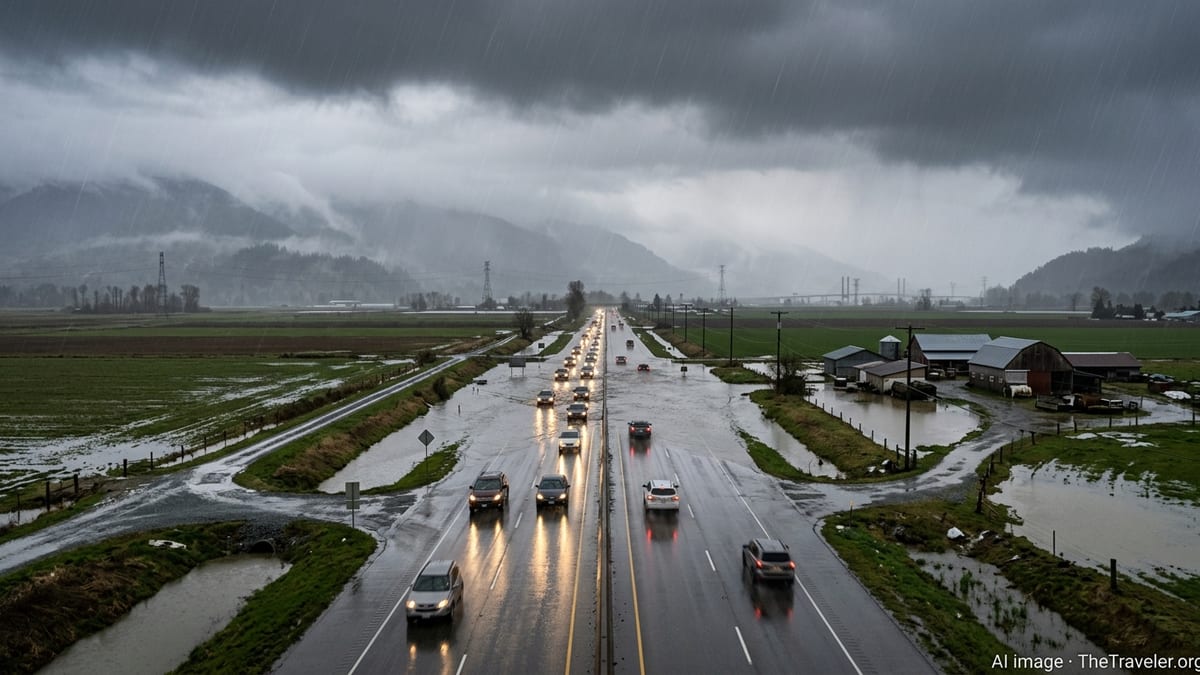
For coastal destinations along the Pacific in the Americas, stronger El Niño conditions through early 2027 are associated with an increased chance of heavy rain events, flash flooding and coastal erosion. Published assessments of previous events show that infrastructure such as coastal highways, smaller regional airports and low lying resort areas can be particularly vulnerable, at times forcing road closures, flight diversions or evacuations. Travelers planning trips to Pacific Mexico, Central America, Peru or Ecuador over the coming wet season may see a higher risk of itinerary changes on relatively short notice.
At the same time, El Niño related shifts in the jet stream can alter the pattern of winter storms across North America. Climate outlooks for October through December 2026 highlight a tendency for stronger storm tracks over parts of the southern United States and potentially fewer cold air outbreaks in the north. For airlines, these shifting patterns can mean changes in turbulence zones, altered transcontinental routes and occasional operational challenges at hub airports during intense rain or wind events, even when overall temperatures are milder.
Air travel impacts can cascade globally through missed connections and aircraft repositioning. While major carriers generally build weather related flexibility into schedules, passengers may face an uptick in delays and cancellations during periods when El Niño related storms coincide with peak holiday travel in late 2026 and early 2027. Travel insurance policies that explicitly cover weather disruptions, and flexible ticket options, are likely to be more valuable in this environment.
Ski Seasons, Heatwaves and Outdoor Tourism
El Niño has well documented effects on winter conditions in parts of North America, Europe and Asia, which can play a decisive role in ski tourism. In the western United States, historical data show that strong El Niño winters often bring wetter conditions to parts of California and the Southwest but can coincide with reduced snowfall in some inland and northern ranges. Seasonal outlooks for late 2026 indicate above normal temperatures in many mountain regions, raising the risk that precipitation falls as rain at lower elevations or that snowpacks develop later and melt earlier than average.
For ski resorts operating at mid elevations, this pattern can shorten the viable season, reduce natural snow cover and increase dependence on snowmaking systems. Public reports from previous El Niño winters describe resorts delaying opening dates, limiting terrain or consolidating operations to higher slopes when temperatures stay above freezing, all of which can change the value of early season ski bookings. Travelers targeting late 2026 or early 2027 ski trips may find that higher altitude destinations or dates later in the core winter window offer more reliable conditions.
Outside of cold weather tourism, many destinations face a heightened risk of heatwaves under El Niño conditions layered on top of long term warming. Analyses following the 2023 to 2024 El Niño linked the event to record breaking global average temperatures and prolonged heat episodes in parts of Europe, Asia and the Americas. With the new El Niño strengthening into 2027, climate agencies caution that another period of exceptional heat remains possible, particularly during the 2027 warm season.
For city breaks, desert tours and popular summer destinations, this can mean more frequent days where outdoor sightseeing is uncomfortable or unsafe at midday, greater wildfire risk in some regions and higher demand for accommodations with effective cooling. Tour operators may respond by shifting activities to early morning or evening, and some destinations could introduce temporary trail closures or capacity limits on the hottest days to protect visitors and staff.
Coasts, Oceans and Cruise Itineraries
El Niño driven changes in sea surface temperatures have direct consequences for coastal tourism and the cruise industry. Warmer waters in the tropical Pacific increase the likelihood of marine heatwaves, which in turn are associated with coral bleaching episodes. After the strong 2023 to 2024 El Niño, scientific monitoring programs documented significant bleaching in parts of the Great Barrier Reef and other coral systems, and coral reef watch services have continued to highlight elevated risk where sea temperatures remain far above average.
Looking into 2027, similar concerns apply for reef based tourism in the central and eastern Pacific, as well as in parts of the Indian Ocean where local conditions can amplify broader climate signals. Snorkeling and diving destinations could experience degraded underwater visibility, coral mortality and temporary closures of sensitive areas if bleaching intensifies. Travelers focused on marine biodiversity may wish to monitor local conservation updates and consider travel windows outside peak thermal stress periods when available.
For cruise lines, El Niño affects both storm climatology and port conditions. In the eastern Pacific, increased cyclone risk can push operators to adjust or cancel itineraries that rely on small island ports or exposed anchorages during the late 2026 and early 2027 storm seasons. On the other side of the Americas, even if Atlantic hurricane numbers are not dramatically higher, anomalous sea levels and shifting storm tracks can increase the chance of coastal flooding in ports commonly used by Caribbean and Gulf cruises, potentially disrupting embarkation and shore excursion schedules.
Sea level extremes tied to El Niño can also exacerbate so called king tides, bringing higher than normal water levels to low lying atolls and coastal cities. For travelers to Pacific island nations and parts of Southeast Asia, this can mean more frequent nuisance flooding of roads, waterfront promenades and beach fronts, an issue that may be especially visible during the strongest oceanic phases of El Niño through early 2027.
Planning Trips Around an Uncertain Pattern
Despite the extensive research devoted to El Niño, forecasts still come with significant regional uncertainty. Official outlooks stress that El Niño changes probabilities instead of guaranteeing specific outcomes for any given city or resort. Some locations historically linked to wetter or drier conditions during El Niño years may not follow those patterns closely every time, particularly as background warming alters typical responses.
For travelers and the tourism industry, this uncertainty argues for flexible planning rather than rigid avoidance of entire regions. Monitoring seasonal updates from national meteorological services and global agencies over the coming months can help identify areas where risks such as flooding, drought or heat are becoming more pronounced. Many tourism boards and major operators now incorporate climate outlooks into their own planning, adjusting marketing, staffing and maintenance schedules in response.
On the individual level, travelers can respond to the 2026 to 2027 El Niño by building more contingency into itineraries, favoring refundable bookings when visiting weather sensitive destinations and checking whether travel insurance policies explicitly cover trip curtailment due to extreme weather. For outdoor focused trips, choosing dates outside the historical peak periods for hazards such as tropical cyclones or intense heat can further reduce exposure, even if it does not eliminate it.
As the current El Niño evolves over the next year, the overarching message from climate outlooks is that weather driven disruptions may become more frequent in certain regions, but informed and flexible planning can still allow travelers to experience many destinations safely. The coming seasons are likely to highlight how closely the future of travel is intertwined with the state of the global climate system.