

Japan is often seen as a high-tech country where robots, bullet trains and vending machines are everywhere. Yet when it comes to paying for everyday purchases, the reality can be surprisingly traditional. Visitors quickly discover that some small restaurants accept only cash, certain shops welcome international cards, and transport systems increasingly rely on contactless IC cards and mobile wallets. Understanding how to pay in Japan before you arrive can save time, avoid awkward moments at the register, and help you enjoy your trip with confidence.
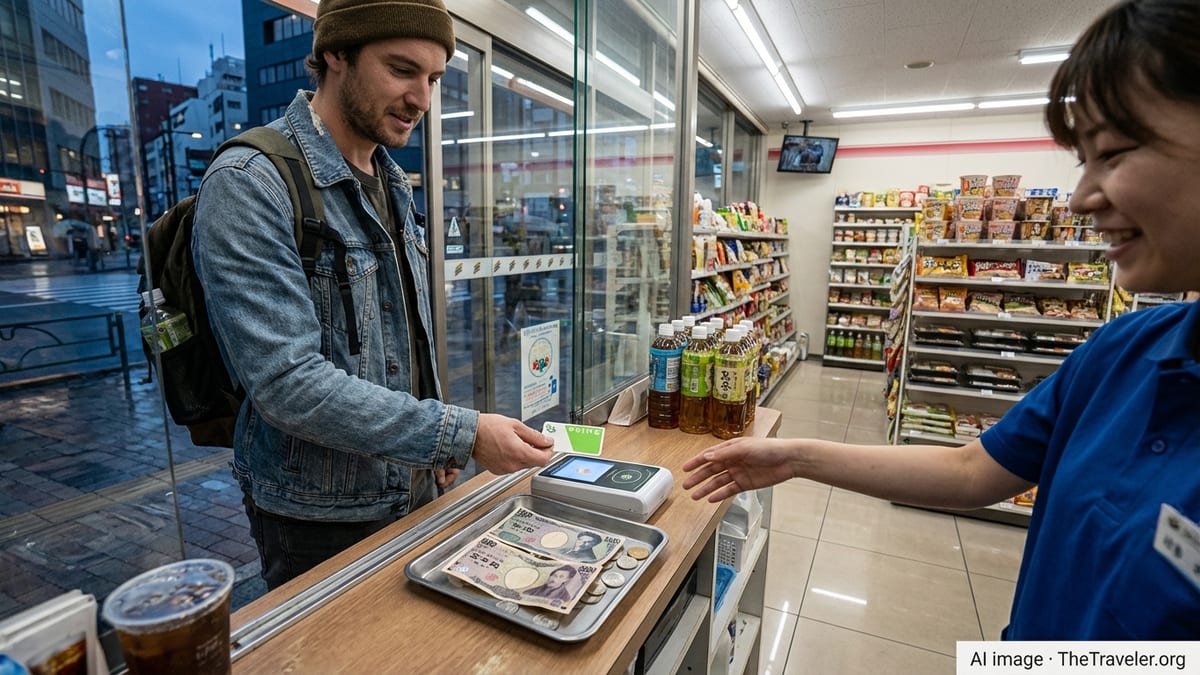
The Big Picture: How Japan Handles Payments Today
Japan is in the midst of a slow but steady shift from cash to cashless payments. Cash is still widely used, especially for small purchases, at local eateries, in rural areas and at older family-run businesses. At the same time, major cities and chains increasingly accept credit cards, debit cards and contactless payments. As a visitor, you should be prepared to use both cash and digital options, and expect the mix to vary depending on where you are.
Government campaigns and large retailers have encouraged more cashless adoption in recent years, particularly in urban centers such as Tokyo, Osaka and Kyoto. Many hotels, department stores and tourist attractions now readily accept cards and mobile payments. However, the culture of carrying cash remains strong. It is common for residents to pay rent, utilities or even medical bills in cash, and for older customers to prefer physical money over apps or cards.
The safest strategy for tourists is a hybrid approach. Plan to carry enough yen in notes and coins for daily expenses while relying on international cards or mobile wallets for larger purchases where accepted. This balance will cover most situations, from paying for a simple bowl of ramen in a side-street shop to buying electronics in a big-box store.
The good news is that Japan is generally low risk for handling cash compared with many other destinations. Crime rates are relatively low, and locals often carry significant amounts of cash without concern. Still, it is wise to use normal precautions such as money belts, secure bags and hotel safes, particularly in very crowded areas.
Cash in Japan: When You Still Need Yen
Despite increasing digital options, yen remains essential. Many small, family-run restaurants, local souvenir shops, temples, shrines, older ryokan inns and countryside businesses accept only cash. Vending machines and coin lockers may accept IC cards, but some still require coins. Local festivals, food stalls and neighborhood markets also typically prefer cash payments for speed and simplicity.
It is sensible to arrive with at least a modest amount of yen or to withdraw cash soon after landing. Japanese banknotes come in 1,000, 5,000 and 10,000 yen denominations, while coins cover smaller amounts. Visitors are sometimes surprised by how often they receive 10,000 yen notes from ATMs, so it can help to break large notes at convenience stores or larger shops early in the day.
Most travelers rely on international ATMs for yen rather than currency exchange counters. ATMs inside major convenience store chains and in post offices are widely used by tourists because they typically support foreign cards and offer multilingual menus. These ATMs are common in cities and transport hubs, though they can be harder to find in very remote areas late at night.
When carrying cash, keep it organized and accessible. Japanese wallets and money clips often have separate slots for banknotes and coins, and coin purses are common. Cashiers expect to receive and return money using trays placed on the counter. Place your notes or coins on the tray, and the cashier will count them, confirm the amount aloud, and return your change neatly.
Using Cards: Credit, Debit and Prepaid Options
International credit and debit cards are widely accepted in large cities and tourist-focused businesses, but not everywhere. Hotels, department stores, major restaurant chains, airports, high-end shops and many attractions commonly accept Visa, Mastercard and, to a lesser extent, American Express and other brands. Smaller businesses, local cafes and independent shops may still be cash-only or may accept cards only above a minimum spend.
Before traveling, inform your bank or card issuer of your trip to Japan so that foreign transactions are not flagged as suspicious. Check fees for international purchases and cash withdrawals, including dynamic currency conversion, where a terminal may offer to charge you in your home currency instead of yen. In most cases, choosing to pay in local currency is more cost-effective, but fees vary by card and bank.
Chip-and-PIN and contactless cards are increasingly recognized, although the experience can be inconsistent. Some terminals require a signature rather than a PIN, especially in smaller shops or hotels. Others may not support tap-to-pay for foreign cards even if they accept contactless for domestic cards. When in doubt, hand your card to the cashier and follow their instructions; staff are usually accustomed to assisting visitors.
Prepaid travel cards issued in your home country that hold multiple currencies can be useful but may not always offer better rates than a standard credit or debit card. Research their fees and acceptance levels before relying on them as your primary method. It is generally wise to carry at least two different cards from separate networks to reduce the risk of one being rejected or blocked.
IC Cards and Transit: Suica, Pasmo and Friends
One of the most convenient payment tools in Japan is the rechargeable IC card system, used extensively for public transport and increasingly for small everyday purchases. Brand names vary by region, such as Suica and Pasmo in the Tokyo area, Icoca in the Kansai region, and others elsewhere, but they work similarly. In many cases they are interoperable, meaning you can use a card issued in one region on trains and buses in other major regions.
IC cards are typically loaded with stored value that you can tap at ticket gates, bus readers and participating shops. They are ideal for short train rides, subway trips and buses, freeing you from buying individual tickets. Many convenience stores, vending machines, coin lockers and some cafes and fast-food outlets also accept IC cards for quick tap-to-pay purchases.
Travelers can usually buy physical IC cards at ticket machines or counters in major stations, subject to availability. There is usually a small deposit for the card itself, refundable when you return the card at designated locations, minus any processing fee. Card kiosks often have an English-language option, and station staff are accustomed to helping tourists set up and top up cards.
In recent years, mobile versions of some IC cards have become available for certain smartphones. Depending on your device and region settings, you may be able to add a transit card to your phone or smartwatch and charge it with a foreign credit card. This can be extremely convenient in big cities but may require some setup before or soon after arrival. If the process seems complicated, a physical IC card remains a reliable and simple choice.
Mobile Payments and QR Codes
Domestic mobile payment apps and QR code systems have grown rapidly within Japan, but they are primarily designed for residents with local bank accounts or phone contracts. Popular services may include smartphone apps linked to Japanese banks, mobile carrier billing, or retail group wallets used for loyalty points and promotions. For many tourists, these options are difficult or impossible to set up without local documentation.
However, some international mobile wallets are gaining ground, especially in urban areas and tourist spots. Where accepted, they are often integrated with existing card terminals, allowing visitors to pay using the same cards they would otherwise insert or tap. Acceptance varies by store and chain, so you cannot assume that mobile wallets will work everywhere, even if card payments are available.
QR code payments are common in certain shops, restaurants and taxis. In many cases, these QR codes are linked to domestic apps. A few brands allow visitors to pay from international accounts or cards, but compatibility can be inconsistent. Always have a backup method such as cash or a physical card ready in case a particular QR option cannot be used with your setup.
Because of these limitations, mobile payments should be treated as a useful extra rather than your primary way to pay. If you enjoy using your phone or watch for day-to-day purchases, you will find opportunities to do so in larger cities, but it is risky to rely on them exclusively across the country.
ATMs, Banks and Currency Exchange
Finding a reliable way to obtain yen during your trip is essential. For most visitors, using ATMs is the simplest and often the most cost-effective approach. Machines inside major convenience stores, at airports, in large train stations and at post offices are generally the most tourist-friendly, with language options and support for a range of international cards. Operating hours can vary; while many convenience store ATMs are available around the clock, some bank-operated machines may close at night or on holidays.
Currency exchange counters are common in international airports and in busy districts of major cities. They can be useful for converting a small amount of cash on arrival, but rates and fees may be less favorable than ATMs, depending on your home bank and the provider. Hotel front desks sometimes offer exchange services, usually with clear notice of the rate and service fee. As always, compare approximate rates when possible and avoid exchanging more than you need at less competitive counters.
When withdrawing cash from ATMs, pay attention to both local ATM fees and fees charged by your own bank. Some banks refund or reduce international ATM charges, while others levy a flat fee plus a percentage. Try to withdraw in larger amounts less frequently to minimize the number of separate fees, while still balancing safety and how comfortable you feel carrying cash.
Keep in mind that ATMs in rural areas, small towns and on some islands may be limited in number and may not always accept foreign cards. If your itinerary includes remote destinations, plan ahead by withdrawing extra yen in a city or transport hub before you move on. It is also sensible to carry a backup card in case one card does not work in a particular machine.
Typical Payment Scenarios for Tourists
Understanding how payments usually work in everyday situations can help you plan how much cash and which cards to carry. In city hotels, business hotels and many ryokan that cater to international visitors, credit cards are generally accepted. Reservation platforms may secure payment details in advance, while final settlement often happens at check-in or check-out. Some smaller, traditional inns still prefer cash, especially for additional charges such as drinks, onsen fees or souvenirs.
In restaurants, large chains, hotel buffets, department store food halls and trendy city eateries increasingly take cards and sometimes mobile wallets. However, small local restaurants, ramen counters, izakaya pubs and sushi bars can be cash-only. It is common to pay at the register near the exit rather than at the table, and you will usually receive a printed bill that you take to the cashier. Many establishments clearly display accepted payment methods at the entrance or near the register.
When shopping, department stores, electronics retailers and major brand boutiques generally accept cards and sometimes IC cards or mobile payments. Smaller artisan shops, family-run souvenir stores, antique dealers and market stalls may ask for cash. In some tourist areas, you may encounter tax-free shopping arrangements for foreigners where a minimum purchase is required. These transactions typically require showing your passport and paying by card or cash at the designated counter.
For transport, local trains, subways and buses in major cities can usually be paid with IC cards, transport passes or tickets purchased in cash. Long-distance trains, including shinkansen services, can be booked using international cards at ticket machines and counters, though some routes and promotions have specific conditions. Local taxis in cities increasingly accept cards, IC cards or QR payments, but there are still vehicles that prefer cash, especially in smaller towns. If you plan to rely on taxis late at night or in less central areas, carrying sufficient yen is wise.
Etiquette, Security and Common Pitfalls
Payment etiquette in Japan is generally straightforward, but a few small habits can help you blend in and avoid misunderstandings. At many counters, a small tray is placed in front of you. Place your notes or coins on the tray rather than handing them directly to the cashier. When receiving change, the cashier may place it back in the tray or hand it to you while counting aloud. Take a moment to confirm the amount before putting it away.
Tipping is not customary in Japan and can sometimes cause confusion. In most restaurants, taxis and hotels, service charges are either included in the bill or not expected at all. Leaving coins or small notes on the table may lead staff to run after you to return what they assume you forgot. There are rare exceptions for certain high-end services or private guides, but in general you do not need to budget for tips when paying in Japan.
Security is typically strong at payment points. Chip-based cards, PINs and signed receipts are standard practices, and it is uncommon to encounter overt scams at legitimate businesses. Nevertheless, you should still shield your PIN, keep track of your cards and receipts, and review your statements after the trip for any unusual charges. Avoid letting your card out of sight for long periods, and decline unsolicited offers to handle money or make transactions on your behalf.
Common pitfalls for tourists include assuming that every business in a modern-looking area takes cards, running out of cash in a cash-only neighborhood at night, or discovering that an ATM does not accept foreign cards when banks are closed. To avoid these problems, regularly check your cash level, test your cards early in the trip, and note the location of nearby convenience stores or post offices with ATMs that accept international cards.
The Takeaway
Paying in Japan is simpler when you recognize that it is a country in transition between traditional cash habits and modern digital payments. You cannot rely solely on your usual card or mobile wallet, but you also do not need to carry your entire budget in banknotes. A balanced approach that combines a reasonable amount of yen, at least one or two internationally accepted cards and, where practical, an IC transit card or compatible mobile wallet will cover nearly every situation.
By planning ahead, testing your payment methods early and keeping a small reserve of cash, you can move smoothly through hotels, restaurants, shops and transport systems without worrying at every register. Japan’s payment landscape is evolving, but with a bit of preparation and flexibility, it is entirely manageable for visitors and should not distract from the experiences that brought you there.
FAQ
Q1. Do I need cash in Japan, or can I rely only on cards?
It is best to carry both. Cards work well at larger businesses and in cities, but many small shops, local restaurants and rural areas still accept only cash.
Q2. Which international cards are most widely accepted in Japan?
Visa and Mastercard are the most commonly accepted, especially at hotels, major shops and chains. American Express and other brands are accepted at some but not all locations.
Q3. Where can I withdraw yen with a foreign bank card?
Tourists usually use ATMs at major convenience stores, airports, large train stations and post offices, as these commonly support international cards and offer multilingual menus.
Q4. Are IC cards like Suica or Pasmo worth getting for a short trip?
Yes. IC cards make riding trains, subways and many buses easier and are also useful for small payments at convenience stores, vending machines and some shops.
Q5. Can I use my phone to pay in Japan?
In some places, yes. Certain mobile wallets and QR code systems work for visitors, especially in big cities, but coverage is uneven, so treat mobile payments as a supplement, not your only option.
Q6. Is tipping expected when I pay in restaurants or taxis?
No. Tipping is generally not expected in Japan. Service charges, when applicable, are usually included in the bill, and leaving cash on the table can cause confusion.
Q7. What should I do if my card is declined at a shop or ATM?
First, try another card or machine if you have one. If the issue persists, contact your bank, and in the meantime rely on cash or other payment methods until the problem is resolved.
Q8. Are cash payments safe in Japan?
Japan is generally considered safe, and locals often carry cash without incident. Still, use normal precautions, keep money in secure places and avoid displaying large amounts in public.
Q9. Can I exchange foreign currency easily outside major cities?
It can be more difficult. Currency exchange services are concentrated in airports and large urban areas, so plan to obtain enough yen before heading to remote regions.
Q10. How much cash should I carry each day as a tourist?
Amounts vary by travel style, but many visitors find it comfortable to carry enough yen for daily meals, local transport and small purchases, with cards reserved for larger expenses.