


More news on this day
As cancellations linked to staffing gaps, fuel costs and security bottlenecks continue to hit air travel in 2026, travelers are facing a familiar dilemma at the airport gate: accept an improvised rebooking or push for a refund and start again. Updated government rules and clearer airline policies now give passengers more leverage, but consumer groups say many people still leave money on the table because they do not understand when they can walk away with cash rather than a voucher.
Get the latest news straight to your inbox!
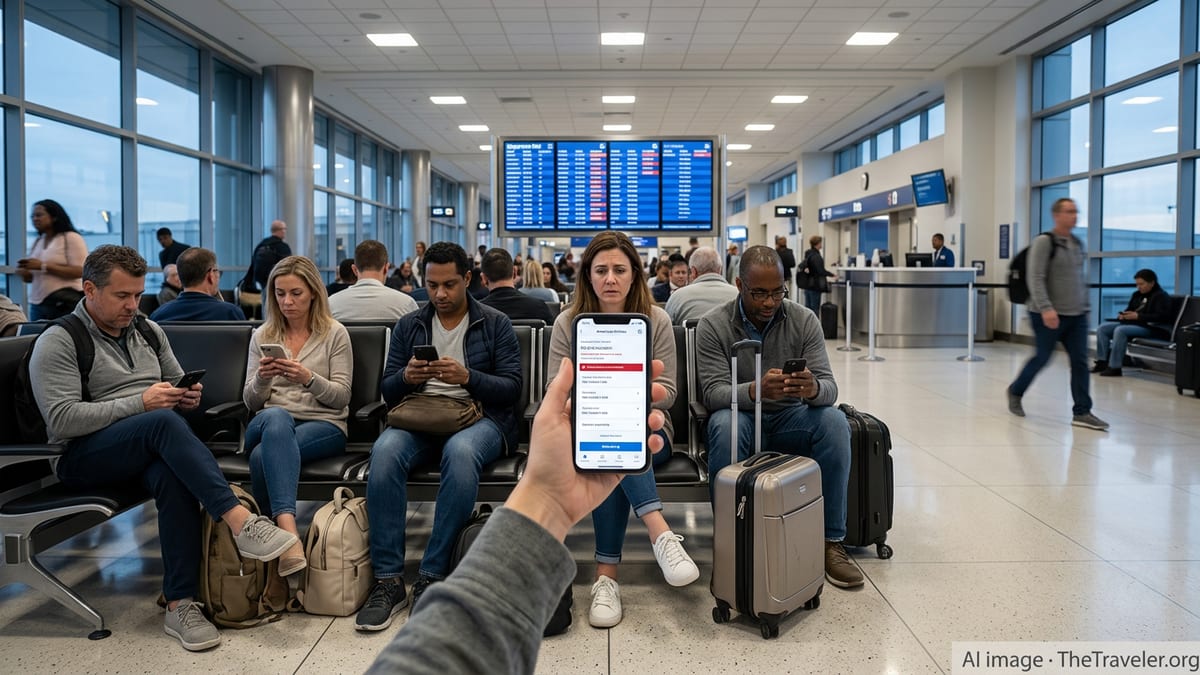
New U.S. Rules Strengthen Automatic Refund Rights
Publicly available guidance from the U.S. Department of Transportation indicates that passengers now benefit from tighter refund protections when flights are canceled or significantly changed on routes to, from or within the United States. A final rule on refunds and other consumer protections adopted in 2024 requires airlines and ticket agents to provide automatic refunds when a flight is canceled or significantly changed and the traveler rejects alternatives such as rebooking or credits. The rule also defines what counts as a significant change to limit disputes, including long delays beyond the original arrival time and substantial schedule shifts.
DOT materials explain that, in these cases, refunds must be made to the original form of payment within specific time limits, generally seven business days for credit card purchases and 20 days for other payment methods. Consumer advocates note that this is a key shift from earlier practice, when passengers often had to chase airlines for weeks to recover money after major disruptions. Now, travelers who decline a rebooking offer should see the refund process triggered automatically once the cancellation or schedule change meets the federal criteria.
Experts suggest that passengers document any notification from the airline that mentions cancellation or significant change, since that language can be useful if a refund request is resisted. If the carrier does not process the refund, individuals can file a complaint with the DOT’s Office of Aviation Consumer Protection, which reports using such complaints to enforce the rules and bring cases against noncompliant airlines. Credit card chargeback rights may offer an additional route if a promised refund does not arrive.
When To Rebook And When To Ask For Cash
Travel specialists say the first decision point after a cancellation is whether the trip is still worthwhile. If a short weekend break becomes a same-day arrival after a long overnight delay, a refund may be more valuable than accepting a late rebooking. For business travelers whose meetings are moved online or canceled entirely, cash back can free them to book a different route or airline on their own schedule rather than staying tied to a disrupted itinerary.
On the other hand, for peak-season holidays and complex itineraries, rebooking through the airline can still be the fastest way to secure a seat to the destination. Airlines often publish customer service commitments stating that, after controllable cancellations, they will rebook passengers on the next available flight and sometimes on partner carriers. During recent periods of disruption, including security checkpoint bottlenecks and localized fuel-related cutbacks, several major U.S. airlines have issued travel waivers that allow no-fee rebooking for affected airports, according to news coverage from national broadcasters.
Analysts recommend checking both the airline’s real-time app offers and the broader market before accepting any option. In some cases, a same-day alternative on another carrier may be cheaper than the original fare, making a refund plus a fresh booking the best outcome. Where prices have surged, pressing the airline for rebooking on its own or partner services may preserve value, especially on long-haul routes where last-minute fares can rise quickly.
Key Steps To Secure A Refund After Cancellation
Consumer advocates outline a repeatable process for travelers seeking refunds after flight cancellations. First, they advise taking screenshots of the cancellation notice in the airline app or email, including the flight number, dates and any mention of alternative options. This record helps establish that the disruption came from the airline and that the passenger did not voluntarily cancel. Keeping boarding passes, booking confirmations and receipts in one file can simplify later claims.
The next step is to decline unwanted vouchers or credits and explicitly request a refund to the original form of payment. Experts recommend using the airline’s dedicated refund request form where available, since carriers often route these requests differently from general customer service inquiries. If front-line staff promote credits or miles, travelers can refer to the airline’s own published customer service policies as well as DOT guidance that states refunds are due when a flight is canceled or significantly changed and the passenger chooses not to travel.
If the airline denies the request or offers only partial repayment, specialists suggest escalating in writing, summarizing the timeline and citing the relevant rules. Documentation from federal guidance and airline customer service pages can be attached or referenced to show that the cancellation qualifies. When those steps fail, passengers can lodge a formal complaint with aviation regulators or pursue help from state or local consumer protection offices, which track patterns of nonpayment. In some instances, travelers report that referencing these avenues has prompted quicker settlements or full refunds.
Different Rules For EU Departures And International Trips
International itineraries introduce a second layer of rights that can work in travelers’ favor. European Union regulations known as EU261 provide passengers departing from an EU airport, or traveling to the EU on an EU-based carrier, with a choice between rerouting at the earliest opportunity, rebooking at a later date convenient to the passenger, or reimbursement when a flight is canceled. Official EU consumer information pages explain that this applies even when the airline cites operational reasons, so long as the passenger presented themselves for check-in on time and held a valid reservation.
These EU rules sit alongside, rather than replace, refund protections available under U.S. law for flights touching the United States. For a traveler flying from Paris to New York on a European carrier, that means both EU261 and U.S. refund rules may be relevant. Legal commentators note that EU261 can also provide additional benefits such as meals, hotel accommodation and ground transport during long disruptions in Europe, which are separate from any refund or rebooking choice.
Experts caution that compensation for inconvenience under EU261 is a distinct issue from the right to rebook or obtain a refund. Compensation amounts depend on flight distance and circumstances, and airlines may argue that extraordinary events limit their obligation to pay. By contrast, the right to reimbursement or rerouting after a cancellation is more absolute, and passengers can usually insist on one of those options even where extra compensation is contested.
Practical Strategies To Rebook Quickly And Protect Future Trips
Beyond knowing the rules, specialists see preparation and timing as critical to getting good outcomes after a cancellation. They encourage travelers to monitor flights in airline apps before heading to the airport so that early signs of disruption do not come as a surprise at the gate. When a cancellation appears, immediately searching alternative routings on neutral flight search tools gives a sense of what is realistically available before speaking with the airline.
Standing in the customer service line while also contacting the airline through its app or call center can reduce waiting time, especially during mass disruptions when phone and desk queues lengthen simultaneously. Some frequent flyers report success using messaging channels or dedicated elite-service lines to secure scarce seats while others are still queuing at the airport. Having a clear preference, such as a specific later flight or a nearby alternate airport, can make those interactions more efficient.
Looking ahead, travel planners suggest booking longer connections, avoiding the last flight of the day on routes prone to weather or congestion, and paying attention to airlines’ customer service dashboards that list what support each carrier offers during controllable cancellations and long delays. Using credit cards that advertise strong travel protections can also add a financial backstop if an airline refuses refunds or reimbursement for incidental expenses. Together with strengthened regulatory rules, these tactics aim to give passengers more control when their plans are upended at the last minute.