


More news on this day
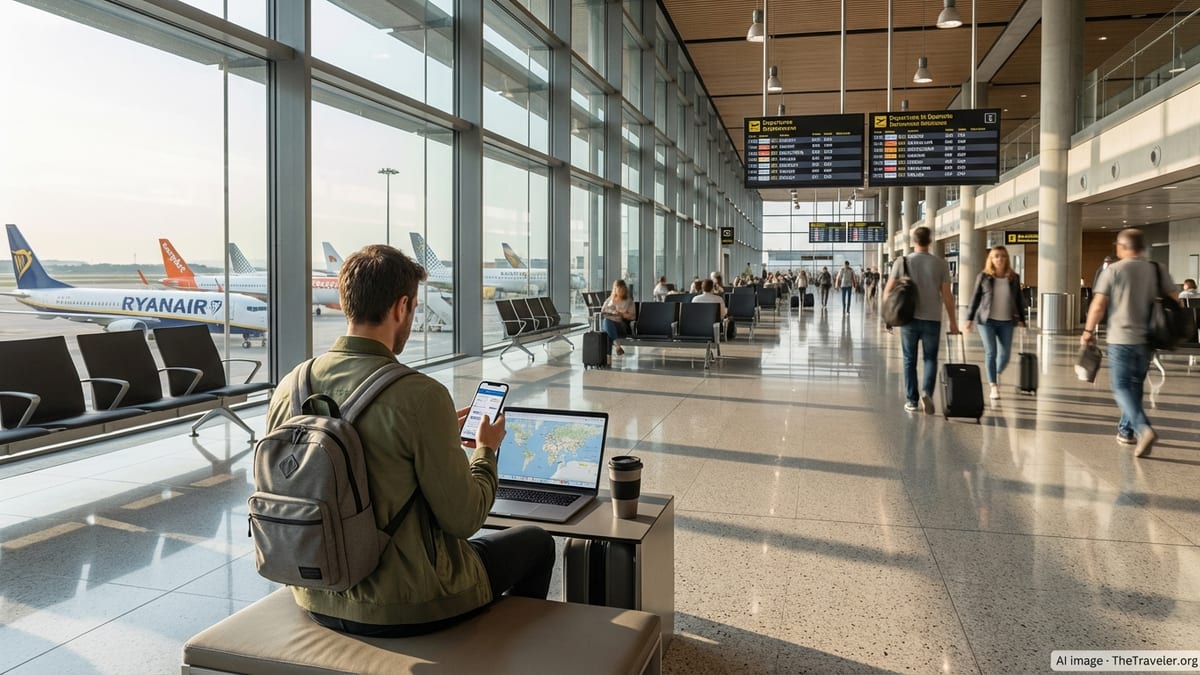
As global demand for flights surges into 2026, some of the world’s busiest tourism hubs are quietly using capacity growth, smarter scheduling and competitive pressure to blunt rising airfares and keep trips to Spain, Italy, the United States, Japan and Dubai within reach.
Get the latest news straight to your inbox!
Spain and Italy Lean on Capacity and Competition
Spain’s inclusion on many 2026 “best value” shortlists is not accidental. Airlines serving Barcelona El Prat and Madrid have been rebuilding and expanding seat capacity across intra-European and transatlantic routes, which helps spread fixed costs across more passengers. Publicly available schedules for summer 2026 show an increase in frequencies from major hubs in northern Europe and the United States, particularly on leisure-heavy routes to Catalonia and the Balearic Islands.
Italy is seeing a similar pattern. Flag and low cost carriers continue to build capacity to Rome, Milan and Venice, while strengthening links to southern beach destinations. Industry reports indicate that competition between network airlines and low cost rivals on these corridors is helping to limit fare growth, especially outside peak school holiday weeks. More seats in the market tend to moderate prices, even against a backdrop of higher labor and airport costs.
For travelers, these dynamics mean that flexible dates often unlock meaningful savings. Monitoring fares into Barcelona El Prat, then checking alternatives such as Madrid or Milan and connecting onward by rail or low cost carrier, can sometimes undercut a nonstop itinerary by a significant margin while still getting travelers to Spain or Italy on their preferred dates.
Spain and Italy also benefit from strong off peak demand in spring and late autumn, periods when airlines are eager to fill seats. Travelers ready to fly in March, April, October or November often see far smaller price swings than in July and August, with premium cabins in particular pricing more aggressively to stimulate bookings.
United States Hubs Use Scale to Contain Price Spikes
In the United States, the first quarter of 2026 produced some of the softest average domestic airfare levels of the year, according to recent pricing analyses across major corridors. That relative calm is expected to give way to sharp summer spikes, but the country’s largest coastal hubs, especially New York’s John F. Kennedy International and Los Angeles International, still offer structural advantages for cost-conscious flyers.
JFK remains a primary transatlantic gateway for Delta and a major base for several competitors. Published schedules for summer 2026 show a dense bank of departures to Spain, Italy and the broader Mediterranean. That clustering of flights within narrow time windows increases the number of interchangeable options for travelers, which in turn encourages carriers to use targeted promotions, branded basic economy fares and tactical sales to fill remaining seats rather than leaving aircraft underutilized.
At LAX, widebody capacity to Japan and other Asia Pacific destinations is returning, with US and foreign carriers restoring frequencies that were cut earlier in the decade. As more seats come back into the Los Angeles Tokyo, Osaka and broader Japan market, average fares are facing downward pressure compared with the tight-capacity years immediately following travel restrictions. Travelers able to depart midweek from LAX or connect through it from smaller US cities often find lower prices than on weekend-heavy departures from secondary gateways.
For budget minded travelers using US hubs, monitoring fare trends 60 to 90 days before departure and targeting Tuesday through Thursday departures remains a helpful pattern. Domestic connections into JFK or LAX can sometimes be combined with competitive long haul fares from those hubs, producing overall trip costs that undercut point to point tickets from smaller regional airports.
Japan Balances Strong Demand With Incremental Growth
Japan remains a top draw for long haul travelers in 2026, with Tokyo and Osaka featuring prominently in booking data from the United States and Europe. After a surge in demand following border reopenings, airlines have been gradually adding back capacity rather than flooding the market. This incremental growth is designed to maintain healthy load factors while still absorbing some of the intense demand that initially pushed fares sharply higher.
Carriers from the United States and Europe continue to concentrate Japan flying through major gateways such as LAX, JFK and key European hubs. As more frequencies return, especially overnight services that maximize aircraft utilization, base fares on some city pairs have stabilized even as hotel and on the ground costs in Japan trend upward in popular neighborhoods.
Travel industry analyses suggest that pricing pressure eases most for travelers willing to fly shoulder seasons and accept one stop itineraries. For example, flying from the US East Coast to Tokyo via a West Coast hub or a European city can, at times, be significantly cheaper than nonstops, particularly when booked outside peak cherry blossom and autumn foliage periods.
Japan’s extensive domestic rail network also helps international visitors widen their search. Booking cheaper international flights into Tokyo or Osaka and then using rail for onward travel allows travelers to take advantage of the best long haul fares without being locked into a specific arrival city for their final destination.
Dubai and Emirates Turn Scale Into Savings Opportunities
Dubai International remains one of the world’s busiest airports for international passengers, with publicly reported passenger volumes in 2025 at record levels and forecasts pointing toward further growth in 2026. That scale is closely tied to Emirates, which recently reported record profit and revenue for its 2025–26 financial year, supported by strong demand across its long haul network.
High load factors typically push fares up, but Dubai’s strategy relies on sustained capacity growth. Reports on airport and airline plans indicate that seat capacity through Dubai continues to climb, both on trunk routes to Europe and Asia and on regional links that feed the hub. As Emirates and partner airlines add frequencies on high demand routes, they increase the number of fare buckets available, which creates more opportunities for travelers to secure lower tier prices before those buckets sell out.
For travelers, this translates into a familiar pattern: early bookers enjoy the widest access to lower fare classes, while those booking close to departure face steeper prices. However, the density of flights through Dubai means that last minute buyers sometimes benefit from tactical fare adjustments on less full departures, especially on midweek and overnight flights where airlines are keen to protect overall load factors.
Using Dubai as a connecting hub can also reduce costs on trips between Europe, Asia and Africa. Booking a ticket that routes through Dubai International on Emirates or a partner carrier can sometimes be cheaper than a shorter, more direct routing on a competing airline, particularly on itineraries purchased well in advance of travel.
How to Leverage Delta, Lufthansa, Emirates and More for Cheaper Tickets
Major global carriers are responding to 2026’s complex landscape of strong demand and cost pressures with a blend of capacity growth, fare segmentation and targeted promotions. Delta’s recent financial results highlight accelerating top line growth on the back of robust transatlantic and premium demand, while Lufthansa’s latest annual report points to increased passenger capacity and revenue in its passenger airline business. Emirates, for its part, has posted record profit and revenue, reinforcing its role as a high volume connector through Dubai.
For individual travelers, the most effective tactics center on harnessing these airlines’ scale. With Delta, searching from JFK and LAX and being open to one stop connections on European or domestic partners often reveals lower fares than restricting searches to only the most convenient nonstop options. Watching for sales tied to new or seasonal routes into Spain and Italy can also lead to competitive pricing, as airlines frequently promote fresh capacity to build awareness.
On Lufthansa and its group carriers, routing through major hubs to Spain or Italy can deliver savings compared with flying non alliance airlines into secondary airports. Travelers who join loyalty programs and remain flexible on departure times often gain access to discounted fares or mileage promotions that are not visible in generic search results, particularly on shoulder season departures.
For Dubai and beyond, Emirates’ extensive schedule through Dubai International offers both nonstop and one stop options between the United States, Europe, Japan and a wide range of onward destinations. Searching itineraries that use Dubai as a connection point, experimenting with different departure days from JFK and LAX, and booking when record capacity is first loaded into schedules can help capture lower fares before demand fully catches up. Across all these carriers, starting searches early, remaining flexible on dates and airports, and revisiting prices as new capacity and promotions are announced remain key strategies for beating 2026’s rising airfare pressures.