


More news on this day
When the United States closed its airspace on September 11, 2001, Vancouver International Airport suddenly became one of the key refuges in North America, receiving 34 diverted flights and about 8,500 unexpected passengers in a matter of hours.
Get the latest news straight to your inbox!
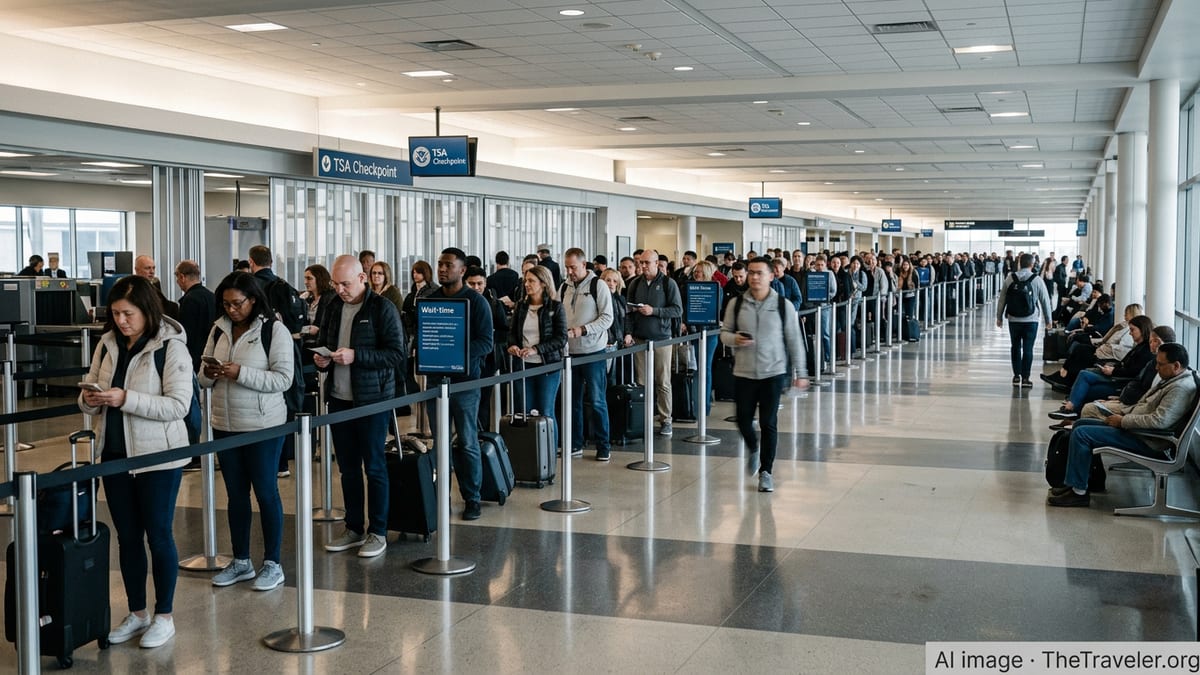
A West Coast Lifeline in Operation Yellow Ribbon
As hijacked aircraft struck targets in the United States on the morning of September 11, 2001, Canadian officials activated what became known as Operation Yellow Ribbon, a coordinated effort to take in hundreds of international flights that could no longer land at U.S. airports. With westbound traffic already crossing the Pacific, Vancouver International Airport (YVR) was uniquely positioned on Canada’s West Coast to absorb some of the largest aircraft in the sky.
Transport Canada’s post-incident reports and academic analyses indicate that Vancouver received 34 diverted aircraft on September 11, more than any other airport in Western Canada and among the highest totals nationwide. Those wide-body jets carried more than 8,500 passengers, the largest number of diverted passengers handled by a single Canadian airport that day, surpassing even Halifax in total people processed.
Most of the diversions to YVR were long-haul flights from Asia and the Pacific that had been bound for major U.S. hubs such as Los Angeles, San Francisco, and Seattle. With U.S. airspace closed to inbound traffic, publicly available summaries of Operation Yellow Ribbon note that Vancouver was effectively the only Canadian airport on the Pacific coast equipped to handle such volumes of large transpacific aircraft on short notice.
Satellite images and contemporaneous news reports show aircraft lined up on every available taxiway and apron around YVR on September 11 and 12, with only one runway kept clear for essential movements. The sight resembled a makeshift aircraft storage yard rather than a functioning commercial hub, underscoring how quickly a busy international gateway had to reinvent its role as an emergency holding area.
Inside the Airport: Managing 8,500 Unexpected Guests
Accounts compiled by Transport Canada and later research into airport emergency management describe a rapid pivot at YVR from routine operations to crisis response. With normal departures cancelled and diverted flights arriving in succession, terminal spaces that typically cycled passengers in a matter of hours were suddenly required to accommodate thousands of people for much longer stays.
According to an internal chronology referenced in public safety studies, the 34 diverted aircraft brought in approximately 8,500 passengers, on top of thousands more who were scheduled to depart Vancouver that day but were stranded when flights were grounded. Baggage volumes also surged, with more than 24,000 pieces of luggage eventually needing to be processed, screened, and reunited with their owners.
Publicly available material from airport and government sources indicates that screening procedures were tightened significantly. Checked baggage from the diverted flights was subject to detailed inspection, including hand searches and canine checks by law enforcement teams. Security staff and ground crews were redeployed to manage long queues, reconfigure holding areas, and keep traffic flowing despite the unprecedented congestion on the airfield and in the terminals.
Academic case studies on airport closures note that YVR had to improvise new passenger flows within hours, repurposing boarding lounges, arrival halls, and even parts of the parking structures to create temporary waiting and processing zones. The focus shifted from rapid throughput to safety, security, and basic comfort for thousands of people who did not know when they would be able to continue their journeys.
Richmond and the Region Step Up
While YVR became the focal point of flight diversions, much of the support for stranded travellers came from the surrounding city of Richmond and the wider Metro Vancouver region. Local news retrospectives and municipal statements describe how community centers, hotels, and private residents opened their doors to accommodate people who suddenly needed beds, meals, and a way to contact family.
Reports on Richmond’s role at the time indicate that municipal facilities were converted into temporary shelters as hotel rooms near the airport quickly filled. Community groups, faith organizations, and volunteers mobilized to provide food, toiletries, and translation assistance to passengers from dozens of countries.
The broader region also contributed. With commercial shipping unaffected, Vancouver’s port facilities and nearby cruise ships were used in a limited way to house some stranded passengers, according to federal transportation accounts. The combination of airport infrastructure and community resources created a wider safety net that extended beyond YVR’s perimeter fence.
For many travellers, Vancouver became an unplanned stopover where they experienced the Canadian hospitality later popularized in the musical "Come From Away," which tells the story of Gander and other Atlantic communities that accepted diverted flights. In Vancouver’s case, the scale was larger but the underlying theme was similar: a local community adapting quickly to support thousands of unexpected guests.
Logistical Lessons from a Sudden Shutdown
In the years after September 11, YVR’s experience has appeared in emergency-management literature as a case study in large-scale airport disruption. Researchers looking at airport closures point to Vancouver’s rapid shift from normal operations to crisis mode as an example of how major hubs can function as logistical platforms during global emergencies.
Planning documents and retrospective analyses highlight several key challenges: a surge of wide-body aircraft with limited parking space, the need for enhanced security screening under time pressure, and the management of passengers who were not allowed to leave restricted areas until clear protocols were established. The concentration of transpacific flights at YVR underlined how geography can quickly tie an airport’s fate to decisions made thousands of kilometres away.
Transportation scholars also link Vancouver’s experience to broader changes in aviation security. The closure of North American airspace on September 11 is now often cited as a pivotal moment that reshaped contingency planning, with airports like YVR using data and observations from that day to refine emergency procedures, communication systems, and inter-agency coordination for future crises.
YVR’s handling of 8,500 diverted passengers has since been compared with how other airports responded to later disruptions, such as volcanic ash events and pandemic-related travel shutdowns. Those comparisons suggest that the lessons learned in 2001 informed later playbooks on crowd management, multi-day terminal accommodation, and cooperation between airports and surrounding communities.
Vancouver’s Place in the 9/11 Aviation Story
Publicly available statistics compiled from government and academic sources place Vancouver alongside Gander and Halifax as one of the three most significant Canadian destinations for diverted flights on September 11. Where Atlantic airports primarily received transatlantic traffic, YVR’s role was concentrated on the transpacific side, providing a safe destination for flights from East Asia that could not return to their origin points.
According to federal transportation data, Canada accepted more than 220 diverted flights and roughly 33,000 passengers during Operation Yellow Ribbon, with YVR handling about one quarter of those travellers by itself. That proportion underscores how central Vancouver was to the Pacific component of the response, even though much of the public attention later focused on smaller East Coast communities.
As anniversaries of the attacks continue to prompt reflection, new material published by the airport and local media has drawn attention back to what happened on the West Coast. These accounts emphasize that, for thousands of people, their 9/11 story unfolded not in New York or Washington but in the terminals and temporary shelters around Vancouver International Airport.
Two decades on, YVR’s experience remains a reminder that the ripple effects of global events can transform an international gateway into an emergency refuge in a single morning. The 8,500 passengers who unexpectedly landed in Vancouver on September 11, 2001, form a quiet counterpart to the more widely known narratives, adding a West Coast chapter to the broader story of how Canada welcomed stranded travellers when the skies suddenly fell silent.
Daily Hive: Vancouver International Airport's own 'Come From Away'
Transport Canada: Four Days in September
The Geography of Transport Systems: Closure of North American Airspace